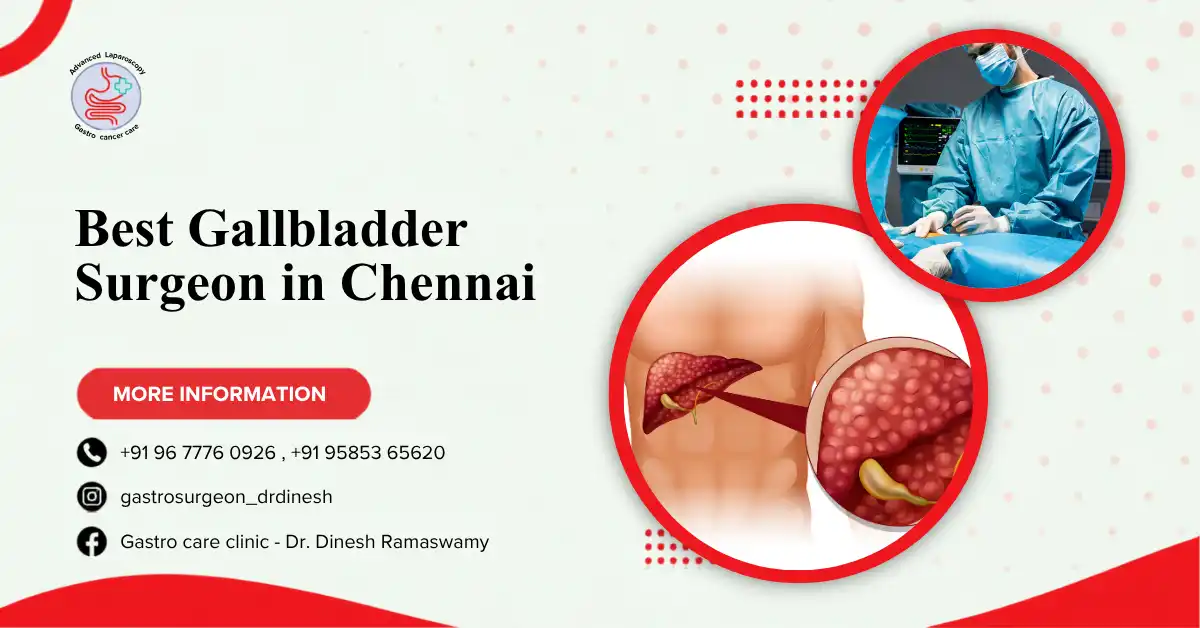
Persistent upper abdominal pain, nausea after meals, bloating, or diagnosed gallstones may indicate a gallbladder problem that requires specialist evaluation. If you are looking for an experienced Gallbladder Surgeon in Chennai, Dr. Dinesh Ramaswamy provides personalised surgical care for gallstones, gallbladder inflammation, polyps, and related bile duct conditions.
He carefully reviews your symptoms, scan reports, medical history, and overall health to determine whether surgery is necessary and recommends the most appropriate treatment approach for your condition.
Who is a Gallbladder Surgeon?
Gallbladder stones, also called gallstones, are hardened deposits that develop inside the gallbladder, a small organ located below the liver. They are commonly formed from cholesterol or bilirubin and may range from tiny particles to larger stones.
Many gallstones do not cause symptoms. However, when a stone blocks the flow of bile, it may lead to severe upper abdominal pain, nausea, vomiting, inflammation or jaundice. Patients with recurring symptoms should seek medical evaluation to identify the condition and determine the appropriate treatment.
What Does a Gallbladder Surgeon Treat?
A gallbladder surgeon diagnoses and treats various conditions affecting the gallbladder and bile ducts. Treatment depends on the severity of symptoms, the patient’s overall health, and the condition identified through diagnostic tests.
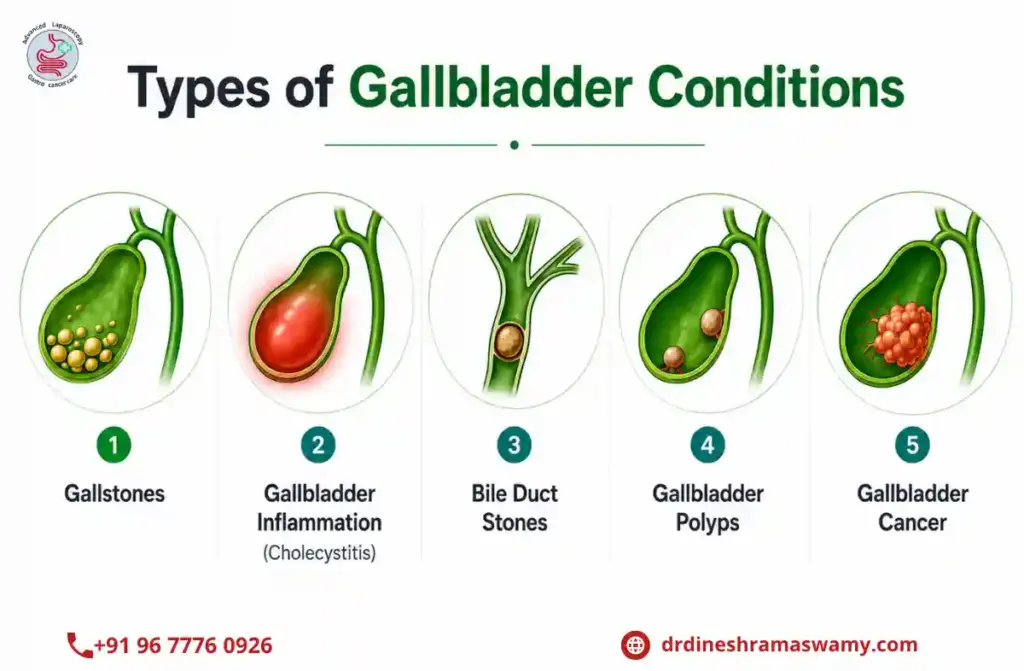
- Gallstones
- Gallstones are hardened deposits that develop inside the gallbladder. They may remain silent in some people, while others experience symptoms such as sharp abdominal pain, nausea, vomiting, indigestion, and discomfort after eating fatty foods.
- When gallstones repeatedly cause pain or complications, surgical removal of the gallbladder may be recommended to provide long-term relief.
- Gallbladder Inflammation
- Gallbladder inflammation, also called cholecystitis, usually occurs when a gallstone blocks the bile flow. It can cause severe pain in the upper right abdomen, fever, and tenderness.
- Timely treatment is important because untreated inflammation can lead to infection or other serious complications.
- Bile Duct Stones
- Sometimes stones move from the gallbladder into the bile ducts, causing blockage. This condition may result in jaundice, abdominal pain, or digestive problems.
- Specialized procedures may be required to remove these stones and restore normal bile flow.
- Gallbladder Polyps
- Gallbladder polyps are small tissue growths that form on the gallbladder lining and may require monitoring depending on their size and nature. While many polyps are harmless, some may require monitoring or further evaluation depending on their size and characteristics.
- Gallbladder Cancer
- Gallbladder cancer is uncommon but requires expert evaluation and treatment planning. A specialist may recommend surgery, depending on the stage and spread of the disease.
Common Gallbladder Problems
Gallbladder conditions can interfere with digestion and cause significant abdominal discomfort. Common problems include gallstones, gallbladder inflammation, bile duct blockages and other disorders that affect the normal flow of bile. Early diagnosis and appropriate treatment can help relieve symptoms, prevent complications and support a smoother recovery.
- Gallstones: Gallstones are hardened deposits of bile that can form in the gallbladder. They can block bile flow, leading to intense pain, nausea, and other digestive issues.
- Gallbladder Inflammation: Cholecystitis occurs when the gallbladder becomes inflamed, often due to gallstones or infections. Symptoms include sharp abdominal pain, fever, and vomiting.
- Bile Duct Blockage: A blockage in the bile ducts, typically caused by gallstones, can lead to jaundice, abdominal pain, and liver complications if left untreated.
- Gallbladder Polyps: Polyps are growths in the gallbladder that can occasionally lead to complications. Although often benign, some types may require surgical removal.
- Biliary Dyskinesia: Biliary dyskinesia occurs when the gallbladder doesn’t function properly, leading to digestive issues and pain after eating fatty foods. It may require surgery if symptoms persist.
Dr. Dinesh Ramaswamy – Gallbladder Surgeon in Chennai
- Qualifications: MBBS, MS (General Surgery), MCh (Surgical Gastroenterology), DNB, FIAGES
- Experience: 20+ Years
Dr. Dinesh Ramaswamy is a highly skilled and experienced Surgical Gastroenterologist, specializing in advanced abdominal and gastrointestinal surgery with over 20+ years of clinical practice. He completed his advanced surgical training at prestigious national institutes, including AIIMS (All India Institute of Medical Sciences) and GB Pant Hospital in New Delhi, where he gained extensive experience in complex gastrointestinal and minimally invasive surgical procedures.
Dr. Ramaswamy’s expertise spans a wide array of surgeries, including gallbladder surgery, hernia repair, colorectal surgery, and hepatobiliary surgery. With a strong academic and clinical foundation, he is known for his precision in handling both routine and complex gallbladder surgeries.
As the Gallbladder Surgeon in Vadapalani, Dr. Dinesh Ramaswamy ensures a personalized approach to each patient, focusing on thorough preoperative evaluation, tailored surgical planning, and comprehensive postoperative care. By employing advanced minimally invasive techniques, he strives to minimize postoperative discomfort, shorten recovery time, and help patients return to their daily lives quickly. Dr. Ramaswamy is committed to transparent communication, ethical practices, and providing patient-centered care, making him a trusted choice for anyone seeking expert gallbladder treatment in Chennai.
When Do You Need Gallbladder Surgery?
If you experience persistent abdominal pain or ongoing digestive discomfort, it is important to seek medical evaluation for an accurate diagnosis. Digestive problems can develop gradually and may worsen if left untreated. Early assessment helps identify the underlying cause, prevents potential complications, and ensures timely treatment for better long-term health outcomes.
- Gallstones Causing Pain: Gallstones can block the normal flow of bile, leading to sharp pain in the upper abdomen, especially after eating fatty foods. This condition, known as biliary colic, may occur suddenly and last for several hours. Repeated pain episodes are a strong indication that surgical removal of the gallbladder may be required.
- Gallbladder Inflammation : When gallstones cause blockage, the gallbladder can become inflamed or infected. This leads to severe, continuous pain, fever, nausea, and tenderness in the abdomen. Immediate medical attention is necessary, and surgery is often recommended to avoid complications like rupture or spreading infection.
- Pancreatitis Due to Gallstones: Gallstones can move and block the pancreatic duct, causing inflammation of the pancreas. This results in intense abdominal pain, vomiting, and digestive issues. In such cases, removing the gallbladder helps prevent further attacks and protects overall digestive health.
- Bile Duct Blockage: Sometimes gallstones travel into the bile ducts and block bile flow, leading to jaundice (yellowing of skin and eyes). This can also increase the risk of serious infections. Surgical or procedural intervention is required to remove the blockage and prevent liver damage.
- Gallbladder Polyps or Dysfunction: In some cases, the gallbladder may not function properly or may develop polyps. Larger polyps can carry a risk of cancer, while dysfunction can cause chronic indigestion and discomfort. Doctors may recommend surgery to eliminate symptoms and prevent long-term complications.
- Asymptomatic Gallstones: Not all gallstones require immediate surgery. If they are not causing any symptoms, doctors may suggest regular monitoring instead. However, lifestyle changes and periodic check-ups are important to ensure the condition does not worsen over time.
Common Diagnostic Tests for Gallbladder Conditions
Accurate diagnosis helps determine the most suitable treatment approach. Doctors may recommend different tests based on symptoms and clinical findings.
- Abdominal Ultrasound Scan: An ultrasound scan is one of the most commonly used tests for detecting gallstones, gallbladder wall changes, and other abnormalities.
- Blood Tests: Blood tests help identify signs of infection, inflammation, or other changes related to gallbladder and bile duct problems.
- Liver Function Tests (LFT): Liver Function Tests evaluate how well the liver is working and can help detect problems caused by blocked bile flow.
- CT Scan / MRI Scan: CT and MRI scans provide detailed images of abdominal structures and may be suggested when doctors need more information about complicated cases.
- MRCP (Magnetic Resonance Cholangiopancreatography): MRCP is a specialized MRI-based test used to examine bile ducts and detect blockages or stones without invasive procedures.
Gallbladder Treatment Options in Chennai
Treatment depends on symptoms, diagnosis results, and the severity of the condition. A qualified surgeon recommends the most suitable option after complete evaluation.
Laparoscopic Gallbladder Removal Surgery (Laparoscopic Cholecystectomy)
- Laparoscopic cholecystectomy is an advanced keyhole surgery technique that removes the gallbladder through small cuts in the abdomen, helping support quicker recovery and reduced discomfort. A camera-guided surgical technique allows the surgeon to perform the procedure with precision.
- Compared with open surgery, patients often experience less pain, faster recovery, and an earlier return to normal activities.
Robotic Gallbladder Surgery (Robotic Cholecystectomy)
- Robotic gallbladder surgery uses advanced robotic technology to assist surgeons during the procedure. It provides enhanced control and precision, especially in selected cases.
- This technique may be considered depending on patient condition and surgeon recommendation.
Open Gallbladder Surgery
- Open gallbladder surgery involves a larger incision and may be recommended in certain complex situations where minimally invasive methods are not suitable.
- The decision depends on factors such as inflammation, previous surgeries, or complications.
Non-Surgical Management of Gallbladder Conditions
- Not every gallbladder condition immediately requires surgery. In some cases, doctors may recommend dietary changes, medication, lifestyle adjustments, and regular monitoring.
- Patients experiencing recurring symptoms should consult a qualified specialist rather than managing the condition on their own.
An experienced Gallbladder Surgeon in Chennai can guide patients through evaluation, treatment planning, and recovery with a patient-centered approach. Choosing the right healthcare professional ensures that gallbladder problems are managed safely and effectively.
For individuals searching for a trusted Gallstone Surgeon In Chennai, focusing on surgical expertise, technology, and patient care is essential for making an informed decision.
Comparison of Gallbladder Surgery Techniques
| Feature | Laparoscopic Surgery | Robotic Surgery | Open Surgery |
|---|---|---|---|
| Incision | Small | Small | Large |
| Pain | Less | Less | More |
| Recovery | 1–2 weeks | 1–2 weeks | 4–6 weeks |
| Hospital Stay | 1 day | 1 day | 3–5 days |
| Scarring | Minimal | Minimal | More visible |
| Best For | Most gallbladder surgeries | Complex cases | Severe or complicated cases |
| Cost | Moderate | Higher | Varies |
Why Choose Dr. Dinesh Ramaswamy for Gallbladder Surgery?
Choosing an experienced surgeon is important for effective gallbladder treatment. Dr. Dinesh Ramaswamy provides patient-focused surgical care based on accurate diagnosis and personalised treatment planning. His experience in minimally invasive procedures helps reduce surgical discomfort, support faster recovery and improve the overall treatment experience.
- Years of Surgical Experience: With 15+ years of experience in gastrointestinal and laparoscopic procedures, Dr. Dinesh Ramaswamy provides advanced gallbladder treatment using modern surgical practices. His expertise helps manage various gallbladder conditions with personalized care and effective treatment planning.
- Advanced Laparoscopic Techniques: Modern laparoscopic surgery allows gallbladder removal through small incisions, resulting in reduced discomfort, faster recovery, and shorter hospital stays compared to traditional surgery in many cases.
- Patient Outcomes: Successful gallbladder treatment involves more than surgery alone. Proper diagnosis, surgical precision, recovery guidance, and follow-up care contribute to better patient experiences.
Recovery After Gallbladder Surgery
Recovery after gallbladder surgery usually involves adequate rest, light physical activity and gradual dietary adjustments. Patients are advised to avoid heavy lifting and strenuous exercise until healing is complete. Clear post-operative instructions, follow-up care and timely medical guidance can help reduce discomfort, prevent complications and support a safe return to normal daily activities.
- Recovery Timeline and Work Resumption: Most patients can return to desk jobs within 1-2 weeks, but full recovery, including lifting and intense exercise, usually takes around 4-6 weeks. It’s essential to follow your surgeon’s instructions to ensure a safe and effective recovery.
- Managing Post-Surgery Pain: Mild abdominal and shoulder pain is common after surgery. Painkillers, particularly NSAIDs (such as ibuprofen) or paracetamol, may be recommended by your surgeon to help relieve pain during the immediate post-operative period. Always take medications only as prescribed by your surgeon, and consult them if the pain persists or worsens.
- Post-Op Dietary Guidelines: Initially, it’s important to eat small, low-fat, and low-fiber meals to avoid stressing the digestive system. Some patients may experience loose stools or diarrhea, but this generally resolves as the body adjusts to the absence of the gallbladder.
- Activity and Exercise Restrictions: Avoid heavy lifting (over 10 pounds) or strenuous physical activities for 4-6 weeks after surgery. This will help prevent complications like hernia formation at incision sites.
- Wound Care and Healing: Proper wound care is crucial for preventing infections. Follow your surgeon’s instructions for cleaning and monitoring the incision sites, and keep them dry and free from irritation.
Conclusion
Gallbladder problems may begin with mild discomfort but can gradually progress to serious complications if left untreated. Early diagnosis and timely treatment help reduce risks, relieve symptoms, and support a faster recovery. Consulting an experienced specialist ensures accurate diagnosis and the most appropriate treatment approach based on your condition. With advanced laparoscopic techniques and a patient-centered approach, care focuses on precision, safety, minimal discomfort, and long-term digestive health to achieve the best possible outcomes.
Read more: Pancreas specialist in chennai