Chennai Laparoscopy

Dr. Dinesh Ramaswamy

Abdominoperineal Resection (APR)

This surgical procedure is performed to manage advanced rectal cancer by removing the rectum and anus to achieve effective disease
Abdominoperineal Resection in Chennai

Receiving a diagnosis of rectal cancer, anal cancer, or another complex colorectal condition can be challenging for patients and their families. In cases where the disease affects the lower rectum or anal canal, Abdominoperineal Resection (APR) may be the most effective treatment option. Dr. Dinesh Ramaswamy, an experienced colorectal surgeon, provides personalized evaluation and advanced surgical care to help achieve the best possible outcomes. With advanced surgical methods and thorough post-operative care, patients can feel more assured and supported throughout their treatment and recovery journey.

What Is Abdominoperineal Resection (APR)?

Abdominoperineal Resection (APR) is a surgical procedure used to remove the rectum, anus, and surrounding tissues affected by cancer or severe disease. Since the anus is removed during the operation, a permanent colostomy is created to allow stool to leave the body through an opening in the abdomen called a stoma.

The surgery is commonly performed for cancers located very close to the anal sphincter muscles, where preserving normal bowel function is not possible without compromising treatment outcomes. APR is designed to fully excise the affected tissue, helping lower the chances of cancer returning and supporting better long-term survival outcomes.
Abdominoperineal Resection in Chennai

When Is Abdominoperineal Resection Recommended?

APR is recommended when disease involvement makes sphincter-preserving surgery unsafe or ineffective.

  • Low Rectal Cancer: Tumors located in the lowest part of the rectum may involve the anal sphincter muscles. In such cases, complete removal of the rectum and anus may provide the best chance of cure.
  • Anal Cancer: APR is performed to completely remove the diseased tissue, reducing the risk of cancer recurrence and improving long-term survival results. 
  • Recurrent Rectal Tumors: Some rectal cancers may return after previous treatment. APR can help remove recurrent disease and improve disease control.
  • Severe Anal Disease: Certain severe anal conditions causing extensive tissue destruction may require surgical removal of affected structures.
  • Complex Fistulas and Crohn's Disease: Patients with severe Crohn’s disease and ongoing perianal fistulas that do not respond to medication may require APR surgery to help control infection and enhance overall quality of life. 

The primary goal of surgery is to remove disease completely while helping patients achieve the best possible long-term outcomes.

Symptoms That May Indicate the Need for APR Surgery

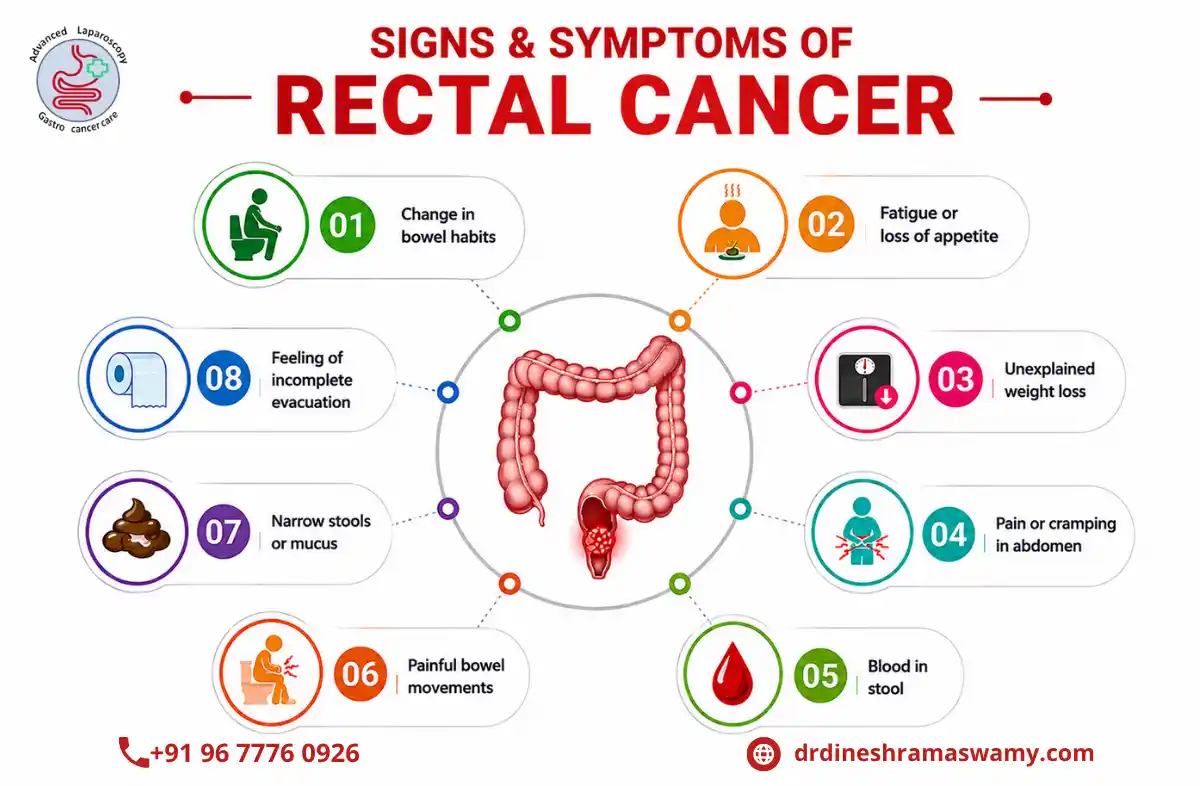
Certain persistent symptoms may indicate serious colorectal or anal conditions that require medical evaluation. While these symptoms are not always cancer-related, they should not be ignored, especially if they continue over time.

  • Rectal bleeding
  • Persistent change in bowel habits (constipation or diarrhea)
  • Anal pain or discomfort
  • Difficulty passing stool or incomplete evacuation
  • Unexplained weight loss
  • Palpable rectal mass

If these symptoms persist for more than a few weeks, it is important to seek evaluation from a colorectal specialist. Early diagnosis helps identify the underlying cause and ensures timely, effective treatment. Prompt medical attention can significantly improve outcomes and prevent disease progression.

Conditions Treated with APR Surgery

  • Rectal Cancer: Low rectal cancers affecting the anal sphincter muscles are one of the primary indications for performing APR surgery. 
  • Anal Cancer: Advanced or recurrent anal cancers may require complete removal of affected tissues.
  • Recurrent Colorectal Cancer: Patients whose cancer returns after previous surgery or radiation may be candidates for APR.
  • Advanced Crohn's Disease: Severe inflammatory bowel disease causing extensive perianal complications may sometimes require surgical intervention.
  • Severe Fecal Incontinence: In rare situations where bowel control is completely lost and significantly affects quality of life, APR may be considered.
  • Complex Perianal Fistulas: Persistent fistulas causing repeated infections and drainage may require definitive surgical treatment.

Diagnostic Evaluation Before APR Surgery

Careful evaluation helps surgeons determine the extent of disease and plan treatment effectively.

  • Physical Examination: A detailed examination helps assess symptoms and identify abnormalities.
  • Colonoscopy: Colonoscopy allows direct visualization of the colon and rectum and helps detect tumors or other abnormalities.
  • MRI Pelvis: MRI provides highly detailed images of the rectum and surrounding tissues, helping determine tumor size and spread.
  • CT Scan: CT scans help evaluate nearby organs and detect distant spread of disease.
  • PET Scan (if required): PET scans may be recommended in selected patients to identify cancer activity throughout the body.
  • Blood Investigations: Routine blood tests assess overall health, organ function, and fitness for surgery.
  • Biopsy: A biopsy confirms the diagnosis by examining tissue samples under a microscope.

Preparing for Abdominoperineal Resection

Adequate preparation plays a key role in enhancing surgical results and supporting a smoother recovery process. 

  • Pre-operative Counseling: Patients receive detailed information about the procedure, recovery expectations, and colostomy care.
  • Bowel Preparation: Special instructions may be given to cleanse the bowel before surgery.
  • Medication Review: Certain medications, particularly blood thinners, may need adjustment.
  • Nutritional Assessment: Good nutrition helps support healing and recovery after surgery.
  • Smoking Cessation: Stopping smoking before surgery can significantly reduce complications.
  • Stoma Site Marking: A stoma care specialist carefully marks the most suitable location for the colostomy.
  • Anesthesia Evaluation: An anesthesiologist evaluates overall fitness and discusses anesthesia plans.

How Is Abdominoperineal Resection Performed?

Anesthesia Administration

The surgery is performed under general anesthesia so the patient remains fully unconscious and pain-free throughout the procedure. This ensures maximum comfort and allows the surgical team to carry out the operation safely.

Abdominal Phase

In this stage, the surgeon carefully accesses the abdominal cavity to begin the procedure. Key steps include mobilizing the colon and removing nearby lymph nodes to check for cancer spread and ensure complete disease control.

  • Mobilization of Colon: The colon is gently separated from surrounding tissues to allow safe surgical access. This step helps the surgeon work effectively while minimizing injury to nearby organs.
  • Lymph Node Removal: Nearby lymph nodes are removed to check whether cancer has spread beyond the primary site. This also helps improve staging accuracy and guides further treatment planning.

Perineal Phase

During this phase, the rectum, anus, and affected surrounding tissues are surgically removed. This step is essential to completely eliminate the diseased portion and prevent recurrence.

  • Removal of Rectum and Anus: The rectum, anus, and affected surrounding tissues are surgically removed as part of the procedure. This step is essential to ensure complete removal of the diseased area and reduce the risk of recurrence.

Creation of Permanent Colostomy

A healthy part of the colon is brought to the abdominal surface to form a permanent stoma. This allows waste to leave the body safely after the rectum and anus have been removed.

Wound Closure

Once the procedure is completed, the surgical areas are carefully closed to support healing. Drains may be placed temporarily to prevent fluid buildup and reduce the risk of complications.

Benefits of Abdominoperineal Resection

The benefits of APR include:

  • Complete tumor removal
  • Improved cancer control
  • Reduced risk of recurrence
  • Better long-term survival outcomes
  • Relief from severe symptoms
  • Improved quality of life with appropriate stoma management
  • Enhanced disease-free survival

Patients undergoing Abdominoperineal Resection (APR) often experience significant improvement in symptoms and disease control when surgery is performed at the appropriate stage.

Recovery After APR Surgery

  • Hospital Stay: Most patients stay in the hospital for 5–10 days after APR surgery. During this time, the medical team monitors healing, bowel function, and overall recovery.
  • Pain Management: Effective pain control methods, including medications and advanced pain-relief techniques, help patients remain comfortable. Proper pain management also supports faster mobility and recovery.
  • Early Mobilization: Patients are encouraged to start walking as soon as possible after surgery. Early mobilization enhances blood flow, lowers the chances of clot formation, and supports faster overall recovery. 
  • Diet Progression: The diet is gradually advanced from clear liquids to soft foods and then regular meals as bowel function returns. This approach helps the digestive system recover safely.
  • Colostomy Care Training: Specialized stoma nurses teach patients how to care for and manage their colostomy. This training helps patients gain confidence and adapt to daily life after surgery.
  • Follow-up Visits: Regular follow-up appointments allow the surgeon to monitor recovery and address any concerns. These visits are important for ensuring proper healing and long-term health outcomes.

Living with a Permanent Colostomy

Many patients lead active, fulfilling lives after APR surgery.

  • Daily Stoma Care: Routine cleaning and proper appliance management become part of daily life.
  • Diet and Nutrition: Most individuals can enjoy a balanced diet with minor adjustments.
  • Physical Activities: Walking, exercise, and many recreational activities can be resumed after recovery.
  • Travel Tips: Patients can travel comfortably by carrying extra stoma supplies and planning ahead.
  • Emotional Adjustment: Adapting to a colostomy may take time, but support and education can make the transition easier.
  • Support Resources: Stoma support groups and counseling services can provide valuable emotional and practical guidance.

Diet Guidelines After APR Surgery

  • Foods to Eat: After APR surgery, it is important to choose easily digestible and nutrient-rich foods that support healing. Lean proteins, cooked vegetables, bananas, rice, oatmeal, yogurt, and soft fruits can help maintain nutrition while being gentle on the digestive system.
  • Foods to Avoid: Certain foods may irritate the digestive tract or cause discomfort during recovery. Highly processed foods, spicy dishes, carbonated drinks, gas-producing foods, and large fatty meals should be limited until digestion stabilizes.
  • Hydration Tips: Maintaining adequate hydration is essential for recovery and overall health. Drinking water regularly throughout the day helps prevent dehydration, supports digestion, and promotes proper bowel function.
  • Managing Gas and Bloating: Gas and bloating are common concerns after colorectal surgery. Eating slowly, chewing food thoroughly, and avoiding excessive air swallowing can help reduce discomfort and improve digestion.

Why Choose Dr. Dinesh Ramaswamy for APR Surgery?

Patients seeking Abdominoperineal Resection (APR) in Chennai or Abdominoperineal Resection (APR) in Vadapalani often look for an experienced colorectal surgeon who combines advanced surgical expertise with compassionate care.

  • Expertise in Colorectal Cancer Surgery: Dr. Dinesh Ramaswamy has extensive experience in managing complex colorectal diseases and cancers.
  • Advanced Minimally Invasive Techniques: He specializes in laparoscopic and minimally invasive approaches whenever appropriate.
  • Personalized Treatment Plans: Every patient receives an individualized treatment strategy based on disease stage and overall health.
  • Comprehensive Postoperative Care: Ongoing follow-up, rehabilitation, and stoma support are essential components of patient care.
  • Multidisciplinary Cancer Team Approach: Treatment planning involves collaboration between surgeons, oncologists, radiologists, pathologists, and stoma care specialists to achieve the best outcomes.

Choosing the right surgeon for Abdominoperineal Resection (APR) can significantly impact both surgical outcomes and long-term quality of life. With extensive experience in colorectal surgery, advanced minimally invasive techniques, and a patient-centered approach, Dr. Dinesh Ramaswamy ensures complete patient care, guiding individuals from initial diagnosis through treatment, recovery, and continued follow-up. 

Conclusion

Abdominoperineal Resection (APR) is a key surgical treatment for low rectal cancer, advanced anal cancer, recurrent tumors, and other complex colorectal diseases. While the procedure involves a permanent colostomy, advances in surgical techniques, stoma care, and rehabilitation have enabled many patients to enjoy active and fulfilling lives after treatment. Early diagnosis, expert surgical care, and ongoing support play a crucial role in achieving successful outcomes.

Frequently Asked Questions

Common questions about Abdominoperineal Resection (APR) and our services

Yes. Abdominoperineal Resection (APR) is a major oncologic surgery involving removal of the rectum and anus. However, when performed by an experienced surgeon, it is safe and offers excellent cancer control with acceptable recovery outcomes.

Absolutely. With proper stoma care training, most patients lead active, independent lives. Modern colostomy systems are discreet, comfortable, and allow patients to return to work, travel, and social activities confidently.

Depending on recovery and pathology results, adjuvant chemotherapy or radiation may start within 4–6 weeks. Your surgeon and oncologist will coordinate a personalized post-surgery treatment plan.

Explore Our Latest Vlogs

Stay updated with expert insights, latest trends, and helpful articles.

Related Blogs

No data was found

Need Medical Assistance? Book an Appointment Now!

Take the first step toward better digestive health. Book an appointment with our laparoscopy and gastroenterology team to receive expert care, clear guidance, and advanced minimally invasive solutions tailored to your needs.