Chennai Laparoscopy

Dr. Dinesh Ramaswamy

Hernia Repair

Advanced Hernia Repair in Chennai offers safe, effective treatment with modern techniques, experienced surgeons, faster recovery, reduced complications, and personalized
in Chennai

Hernia repair is a common and effective surgical procedure used to treat the protrusion of internal tissues through a weakened area of the abdominal wall. If left untreated, a hernia can lead to discomfort, pain, and potential complications over time. Hernia repair Treatment in Chennai offers advanced surgical techniques, including minimally invasive procedures, ensuring faster recovery and reduced risk of recurrence. With expert care and modern facilities, patients can expect safe and reliable treatment outcomes. Early intervention plays a crucial role in achieving better results and improving overall quality of life.

Understanding Hernia

A hernia is not just a “small swelling.” It is your body’s way of signaling that something underneath is not holding together the way it should.

What happens in a hernia

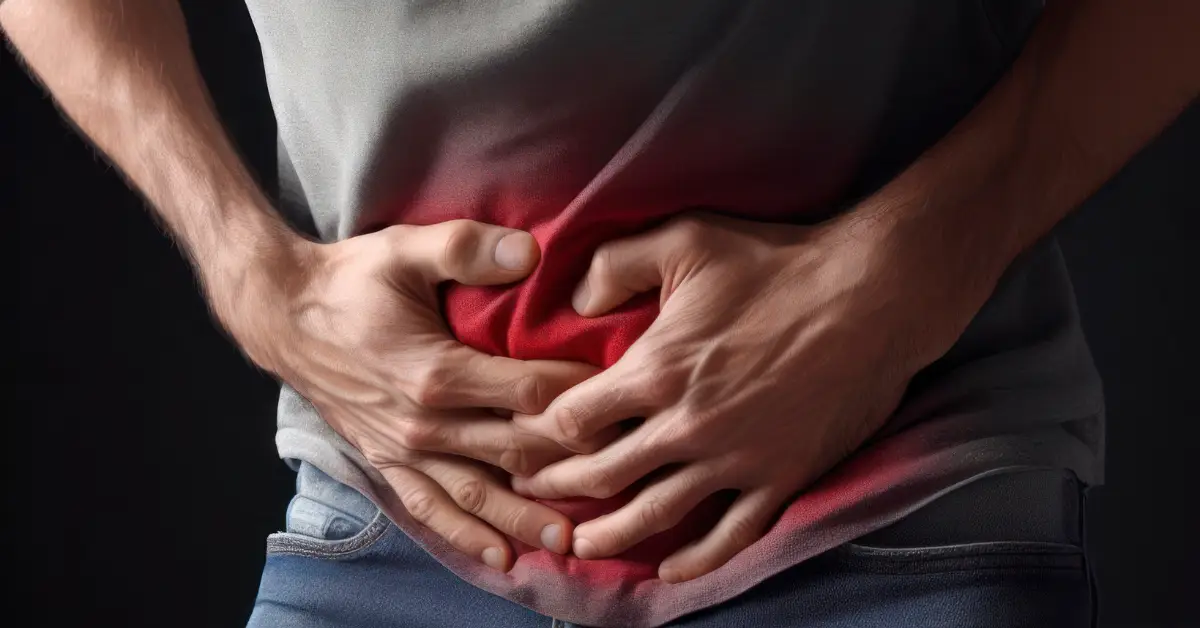
A hernia develops when an internal structure, often a portion of the intestine, protrudes through a weakened area of the muscle or surrounding tissue. Imagine a worn-out fabric that starts to bulge when pressure builds inside—it’s a similar concept. This bulge may appear only when you stand, cough, or strain, and disappear when you lie down.

Why it should not be ignored

Many people delay treatment because the pain is mild or occasional. But hernias do not heal on their own. Over time, the opening can enlarge, increasing the risk of complications like strangulation—where the blood supply to the trapped tissue gets cut off. This can quickly become a medical emergency.

Common areas where hernias occur

Hernias can develop in different parts of the body, but the most common locations include:
  • Groin (inguinal region)
  • Around the belly button (umbilical area)
  • Upper stomach (hiatal region)
  • Previous surgical scars (incisional area)

Hernia repair

Different Types of Hernia You Should Know

Understanding the type of hernia helps in choosing the right treatment plan.

  • Inguinal Hernia: This is the most common type, especially in men. It occurs in the groin when part of the intestine protrudes through the abdominal wall. Many patients first notice it while lifting something heavy.
  • Umbilical Hernia: Seen around the navel, this type is common in infants but can also affect adults, especially after weight gain or pregnancy.
  • Hiatal Hernia: This occurs when part of the stomach pushes into the chest through the diaphragm. Unlike others, it may not cause a visible bulge but can lead to symptoms like acidity or reflux.
  • Incisional Hernia: This develops at the site of a previous surgery. If the surgical wound doesn’t heal properly, the weakened area becomes prone to hernia formation.
  • Femoral Hernia: More common in women, this appears in the upper thigh region. Though less common, it carries a higher risk of complications.

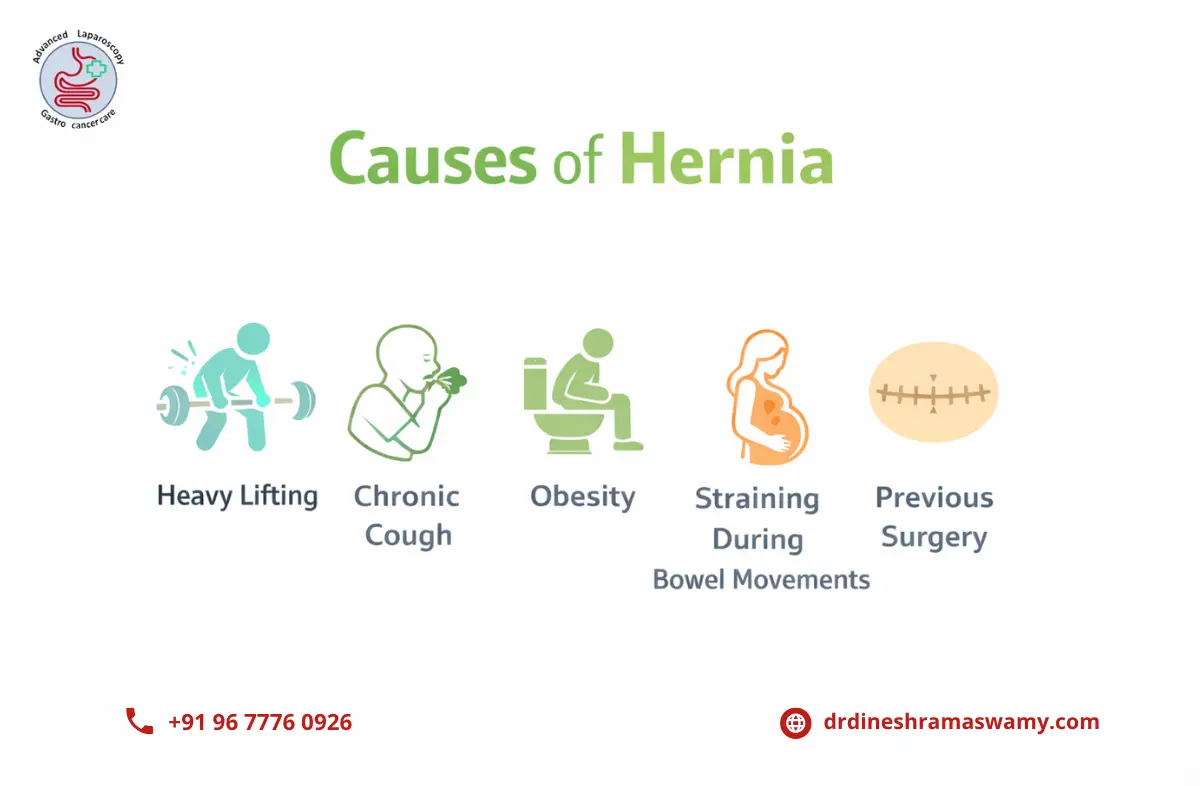
What Causes a Hernia? Key Risk Factors Explained

A hernia usually develops due to a combination of muscle weakness and repeated strain.

  • Muscle Weakness and Strain: Some people are born with weaker abdominal walls. In others, aging gradually reduces muscle strength, making them more vulnerable.
  • Heavy Lifting and Physical Stress: Frequent lifting without proper support increases pressure inside the abdomen. Over time, this can push tissues through weak spots.
  • Chronic Coughing or Constipation: Conditions like long-term cough or constipation force you to strain repeatedly, which puts continuous stress on abdominal muscles.
  • Obesity and Lifestyle Factors: Excess body weight increases internal pressure, while a sedentary lifestyle weakens muscle tone—both contributing to hernia risk.
  • Previous Surgeries or Injuries: Surgical incisions may not regain full strength, making those areas more prone to hernias later.

Signs and Symptoms of Hernia

Recognizing early symptoms can help you seek timely care.

  • Visible bulge or swelling: Often the first sign, especially noticeable when standing
  • Pain while lifting or bending: Sharp or dull pain during physical activity
  • Discomfort during daily activities: Walking, sitting, or even coughing may feel uneasy
  • Burning or aching sensation: A persistent feeling around the affected area

Effective Hernia Treatment Options

Treatment depends on the size, type, and severity of the hernia. In most cases, Hernia Repair is the definitive solution.

Non-Surgical Management: 

In very small or asymptomatic hernias, doctors may suggest observation. Lifestyle changes like weight management and avoiding strain can help control symptoms temporarily.

Minimally Invasive (Laparoscopic) Hernia Repair

This modern approach uses small incisions and a camera to repair the hernia. Patients usually experience:

  • Less pain
  • Faster recovery
  • Minimal scarring

Many patients looking for Hernia repair Treatment in chennai prefer this method due to its quicker return to normal life.

Open Hernia Surgery

In some cases, especially large or complicated hernias, open surgery is recommended. The surgeon makes a single incision to push the tissue back and reinforce the muscle wall using mesh.

Recovery and Post-Treatment Care

Recovery varies depending on the procedure. Most patients can return to routine activities within a few weeks. Proper rest, avoiding heavy lifting, and following medical advice are crucial for long-term success after Hernia Repair.

Advanced Hernia Care Services in Vadapalani

Patients seeking Hernia Repair in Vadapalani can expect comprehensive care designed for comfort and safety.

  • Diagnosis and imaging support: Accurate evaluation using ultrasound or CT scans
  • Day-care surgical procedures: Many repairs are completed within a day, reducing hospital stay
  • Personalized treatment planning: Tailored approach based on patient condition and lifestyle

Post-surgery follow-up care: Continuous monitoring ensures smooth recovery

Hernia Prevention Tips You Should Not Ignore

Prevention Tips

Hernia often develops due to muscle weakness combined with strain. The right lifestyle habits can significantly reduce your risk. Small daily changes can protect your abdominal muscles and prevent complications in the long run.

  • Practice Safe Lifting Methods: Lifting objects incorrectly can put excessive pressure on the abdominal muscles, increasing the risk of hernia. Always bend your knees, keep your back straight, and hold objects close to your body. Avoid sudden movements and seek help when handling heavy weights.
  • Maintain an Ideal Body Weight: Excess weight puts continuous strain on the abdominal wall, weakening it over time. Following a balanced diet and staying physically active can help manage weight effectively. Maintaining a healthy weight reduces the chances of hernia development and recurrence.
  • Quit Smoking for Better Muscle Health: Smoking weakens connective tissues and slows down the body’s healing process. It can also cause chronic coughing, which increases pressure on the abdomen. Quitting smoking helps improve muscle strength and lowers the risk of complications.
  • Follow a Fiber-Rich Diet for Digestive Wellness: A low-fiber diet can lead to constipation, causing strain during bowel movements. Including fruits, vegetables, and whole grains supports smooth digestion. Gradually increasing fiber intake helps prevent discomfort and reduces hernia risk.
  • Build Core Strength with Safe Exercises: Strong core muscles provide better support to the abdominal wall. Low-impact exercises like yoga and guided strengthening routines are beneficial. Avoid intense workouts without proper guidance to prevent unnecessary strain.
  • Manage Chronic Cough and Sneezing: Persistent coughing or sneezing increases abdominal pressure, which can trigger or worsen a hernia. It is important to seek medical advice for ongoing respiratory issues. Proper treatment helps protect the abdominal muscles and overall health.

Nutritional Plan for Hernia Management

A well-planned diet supports digestion, reduces strain, and helps in faster recovery, especially after treatment.

High-Fiber Foods: Including fiber-rich foods in your diet helps prevent constipation and reduces strain during bowel movements, which is important for hernia management. Whole grains, fruits, and vegetables support smooth digestion and overall gut health.

  • Proper Hydration: Staying well-hydrated aids digestion and helps prevent bloating and discomfort. Drinking enough water daily, along with fluids like soups and fresh juices, keeps the digestive system functioning properly.
  • Lean Proteins: Lean protein sources play a vital role in tissue repair and maintaining muscle strength, especially after hernia treatment. Including options like eggs, fish, legumes, and low-fat dairy supports recovery and overall health.
  • Avoid Gas-Producing Foods: Certain foods can cause gas and bloating, increasing pressure on the abdomen. Limiting such foods and avoiding carbonated drinks can help reduce discomfort and prevent worsening of hernia symptoms.
  • Limit Processed Foods: Processed and junk foods are often low in fiber and high in unhealthy fats, which can negatively affect digestion. Reducing their intake helps maintain a healthy digestive system and supports hernia management.
  • Small Frequent Meals: Eating smaller meals more frequently helps reduce pressure on the stomach and abdomen. It also promotes better digestion and prevents discomfort that may arise from overeating.

Why Choose Dr. Dinesh Ramaswamy for Hernia Treatment

Dr. Dinesh Ramaswamy is a skilled gastrointestinal and laparoscopic surgeon with over 15+ of experience in managing a wide range of abdominal conditions, including hernias. His clinical expertise covers both routine and complex cases, with a strong focus on delivering safe and effective surgical outcomes.

He is well-versed in advanced minimally invasive techniques, especially laparoscopic procedures, which help patients experience less pain, smaller scars, and faster recovery. His approach is not just about performing surgery but ensuring that every patient receives the most appropriate and evidence-based treatment plan.

  • Expertise in Minimally Invasive Surgery: Dr. Dinesh Ramaswamy specializes in advanced laparoscopic techniques, offering safer and more precise procedures.
  • Patient-Centered Approach: Every patient receives individualized attention. Treatment plans are explained clearly, helping patients make informed decisions.
  • Proven Surgical Outcomes: With consistent results and patient satisfaction, he is often considered among the best doctor for hernia repair by those who have undergone treatment.
  • Modern Facilities and Support Team: A well-equipped setup with trained staff ensures high standards of care from diagnosis to recovery.


When Should You See a Doctor for Hernia?

Ignoring symptoms can lead to serious complications.

Warning signs that need immediate attention

  • Sudden severe pain
  • Bulge that cannot be pushed back
  • Nausea or vomiting
  • Redness or discoloration over the swelling

Risks of delaying treatment

Delaying Hernia Repair can lead to strangulation, where blood supply is cut off. This condition requires emergency surgery and can be life-threatening if not treated quickly.

Conclusion

A hernia may start as a small discomfort, but it should never be taken lightly. Early diagnosis and timely treatment can prevent complications and improve quality of life. Modern surgical techniques have made Hernia Repair safer, faster, and more effective than ever before. If you notice symptoms or have been diagnosed with a hernia, consulting an experienced specialist is the smartest step forward. With the right care and guidance, recovery is smooth, and you can return to your normal routine without worry.

Frequently Asked Questions

Common questions about Hernia Repair and our services

Yes. Hernias do not heal on their own and tend to worsen over time. Surgery is the only permanent solution and helps prevent serious complications like strangulation or bowel obstruction, which can become life-threatening if delayed.

Most patients return to light activities within a few days. Full recovery usually takes a few weeks, depending on the type of surgery and hernia size. Following post-operative advice helps ensure faster healing and reduces recurrence risk.

Recurrence is uncommon when surgery is performed correctly using modern mesh techniques. Choosing an experienced surgeon, maintaining a healthy weight, and avoiding early strain significantly reduce the chances of hernia recurrence.

Explore Our Latest Vlogs

Stay updated with expert insights, latest trends, and helpful articles.

Related Blogs

No data was found

Need Medical Assistance? Book an Appointment Now!

Take the first step toward better digestive health. Book an appointment with our laparoscopy and gastroenterology team to receive expert care, clear guidance, and advanced minimally invasive solutions tailored to your needs.