Chennai Laparoscopy

Dr. Dinesh Ramaswamy

STARR Procedure

A minimally invasive surgical option effectively manages severe rectal prolapse and obstructed defecation with expert care and faster healing.
STARR Procedure in chennai

Living with chronic constipation or incomplete bowel emptying can significantly affect daily comfort and quality of life. The STARR Procedure in Chennai is a minimally invasive surgical solution designed to treat Obstructed Defecation Syndrome (ODS), often caused by rectocele or internal rectal prolapse. It works through the anal canal using a stapling device to remove excess rectal tissue and restore normal bowel function without external cuts or scars. With expert care from Dr. Dinesh Ramaswamy, patients receive precise diagnosis, advanced treatment, and personalized recovery support for lasting relief.

What is the STARR Procedure?

The STARR Procedure (Stapled Transanal Rectal Resection) is a minimally invasive surgery used to treat obstructed defecation caused by structural problems like rectocele or internal rectal prolapse. It works by removing excess rectal tissue and restoring normal bowel anatomy to improve stool passage.
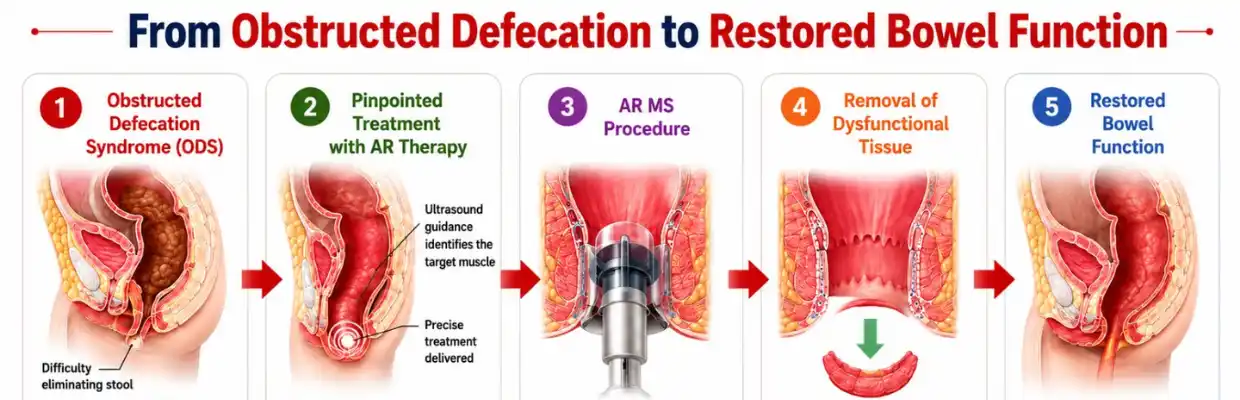
  • Minimally Invasive Approach: This technique is performed entirely through the anal canal without any external cuts on the skin. It reduces pain, blood loss, and recovery time while offering faster healing and no visible scarring compared to traditional surgery.

STARR Procedure

Who Needs a STARR Procedure?

Not every patient struggling with constipation or difficulty in bowel movements requires surgery. The STARR Procedure in Chennai is recommended only when there is a clearly identified structural problem in the rectum, such as rectocele or internal rectal prolapse, and when non-surgical treatments like diet changes, medications, or pelvic floor therapy have not provided relief.

This procedure is mainly advised for patients whose symptoms are significantly affecting daily life and are confirmed through proper diagnostic evaluation. The key patient groups who may benefit are explained below.

  • Patients with Obstructed Defecation Syndrome (ODS): This group includes patients who experience severe difficulty in passing stools despite strong urges. They often spend a long time in the toilet with excessive straining and still feel incomplete evacuation. STARR is considered when imaging confirms a structural blockage.
  • Rectocele: Rectocele happens when the rectal wall bulges into the vaginal space, creating a pocket where stool gets trapped. Many patients need manual pressure to help stool pass. STARR helps correct this bulge and improves normal bowel movement.
  • Internal Rectal Prolapse (Rectal Intussusception): In this condition, the rectum folds inward, causing internal blockage without external protrusion. It leads to chronic constipation and obstructed stool passage. Diagnosis is usually confirmed with defecography or MRI.
  • Chronic Straining During Bowel Movements: Long-term straining weakens pelvic floor muscles and worsens bowel function over time. It can also lead to complications like fissures or hemorrhoids. Treating the underlying cause helps break this cycle.
  • Incomplete Evacuation of Stool: Patients feel the bowel is never fully empty even after repeated attempts. This symptom can be very distressing and time-consuming. STARR addresses the structural cause behind this sensation.
  • Failed Conservative Treatments: When diet changes, medicines, and pelvic floor therapy fail to improve symptoms, surgery is considered. STARR becomes an option only after non-surgical treatments do not provide relief.

Symptoms That May Indicate the Need for a STARR Procedure

The following symptoms are commonly associated with obstructed defecation syndrome and may suggest an underlying structural problem in the rectum. If you experience several of these regularly, a thorough colorectal assessment is strongly recommended:

  • Chronic constipation despite adequate dietary fibre and fluid intake
  • Excessive straining during bowel movements
  • Feeling of incomplete bowel emptying after defecation
  • Need for manual assistance (pressing on the perineum or vaginal wall) during defecation
  • A sensation of rectal pressure or heaviness in the pelvic region
  • Symptoms of pelvic floor dysfunction, including urinary difficulties or pelvic heaviness
  • Prolonged time spent during each bowel movement
  • Use of enemas or suppositories to assist with daily evacuation

It is important to note that these symptoms alone are not sufficient to confirm the need for surgery. A formal clinical evaluation, including dynamic imaging studies, is essential to determine whether a structural abnormality is present and whether STARR is the appropriate intervention.

Conditions Treated with the STARR Procedure

The STARR procedure is a specialized treatment for selected anorectal and pelvic floor conditions and is not suitable for all types of constipation. It is most effective when symptoms are caused by structural abnormalities such as rectocele or internal rectal prolapse. Patients considering a STARR Procedure in Vadapalani typically undergo detailed evaluation to confirm whether this advanced surgical option is appropriate for their condition.

  • Rectocele: Anterior bulging of the rectal wall into the vagina causing stool trapping and difficulty with evacuation.
  • Internal Rectal Intussusception: Telescoping or internal prolapse of the rectal wall creating a functional obstruction during defecation.
  • Obstructed Defecation Syndrome (ODS): The comprehensive functional and structural disorder characterised by difficulty emptying the rectum despite the urge to defecate.
  • Mucosal Prolapse: Prolapse of the rectal mucosa into the anal canal, causing obstruction and discomfort.
  • Selected Cases of Rectal Prolapse: In appropriately selected patients where internal prolapse contributes significantly to evacuation difficulty.

How is the STARR Procedure Performed?

The surgical process is methodical and precise, guided by the surgeon's expertise in anorectal anatomy. Here is a step-by-step overview of what happens before, during, and immediately after the procedure:

  • Step 1: Preoperative Evaluation: Before surgery, a detailed assessment is done to confirm the exact cause of symptoms and ensure the patient is a suitable candidate. This may include tests like anorectal manometry, defecography or dynamic MRI of the pelvis, and colonoscopy if needed. The doctor also reviews bowel habits, symptom history, and previous treatments.
  • Step 2: Anaesthesia Administration: The procedure is performed under either spinal or general anaesthesia so the patient remains completely comfortable. Once anaesthesia is given, the patient is positioned carefully and the surgical area is prepared in a sterile environment.
  • Step 3: Stapled Resection: A specialised circular stapling device is gently inserted through the anal canal. The prolapsed or redundant rectal tissue is identified, guided into the stapler, and removed with a precise stapling action.
  • Step 4: Removal of Excess Tissue: The stapler removes the excess tissue while simultaneously sealing the area with a circular line of titanium staples. This helps correct the structural defect in a controlled and effective manner.
  • Step 5: Reconstruction of Rectal Anatomy: Once the excess tissue is removed, the rectum is reshaped to restore normal anatomy. This improves the passage of stool and reduces obstruction caused by rectocele or internal prolapse.
  • Step 6: Recovery and Monitoring: After surgery, the patient is shifted to a recovery area for close monitoring. Most patients can start moving within a few hours and may begin light oral intake the same day, depending on recovery progress.

Benefits of the STARR Procedure

For patients who have long struggled with the burden of obstructed defecation, the STARR procedure offers several meaningful advantages over conventional surgical approaches. Studies show that patients often experience improved evacuation and symptom relief after appropriate patient selection.

  • Minimally Invasive: The procedure is performed entirely through the anal canal, meaning there are no external cuts or visible wounds on the body.
  • No External Scars: Since the surgery is done transanally, patients heal without any abdominal or perineal scarring.
  • Reduced Post-operative Pain: With no external incisions, most patients experience significantly less pain compared to traditional open rectal surgeries.
  • Short Hospital Stay: Patients are usually discharged within 1 to 2 days, making recovery more convenient and less disruptive to daily life.
  • Faster Return to Normal Life: Most individuals can resume light activities within a few days and return to work within 1 to 2 weeks, depending on recovery.
  • Improved Bowel Function: By correcting the underlying structural problem, the procedure helps restore smooth bowel movements and reduces excessive straining.
  • Better Quality of Life: Relief from chronic constipation and incomplete evacuation helps patients regain comfort, confidence, and overall well-being in daily life.

Why Choose Dr. Dinesh Ramaswamy for STARR Procedure in Chennai?

Choosing the right specialist is crucial for the success of complex colorectal procedures such as the STARR procedure. Patients seeking a STARR Procedure in Porur benefit from expert evaluation, precise surgical techniques, and personalized treatment plans designed to achieve the best possible outcomes.

  • Qualifications and Training: He is a board-certified colorectal surgeon with advanced training in minimally invasive and pelvic floor surgical techniques, ensuring high precision in every procedure.
  • Extensive Experience in Colorectal Surgery: With years of focused practice, he has successfully managed complex anorectal conditions using modern, minimally invasive approaches including STARR surgery.
  • Advanced Minimally Invasive Techniques: He follows evidence-based surgical methods designed to reduce pain, shorten hospital stay, and improve long-term outcomes for patients.
  • Patient-Centered Approach: Each consultation is detailed and personalized, ensuring patients clearly understand their condition, treatment plan, and recovery journey.
  • Multidisciplinary Collaboration: He works closely with specialists from gastroenterology, radiology, and physiotherapy to ensure comprehensive and well-coordinated care.
  • Comprehensive Follow-Up Care: Post-surgery care is closely monitored with structured follow-ups to support healing, manage symptoms, and ensure smooth recovery.

The Stapled Transanal Rectal Resection surgery in Chennai is an effective minimally invasive treatment for patients with obstructed defecation syndrome caused by rectocele or internal rectal prolapse. By correcting the underlying structural problem, it can help improve bowel function, reduce symptoms, and enhance overall quality of life.

Diagnosis Before the STARR Procedure

One of the aspects that distinguishes a high-quality surgical practice is the rigour of pre-operative diagnosis. The STARR procedure works well when the right patients receive it — and ensuring that requires a thorough diagnostic workup. This section is often overlooked on general information pages, but it is central to achieving good outcomes.

  • Clinical Examination: The process begins with a detailed history and physical examination. The surgeon assesses bowel habits, stool consistency, straining patterns, and any prior treatments tried. A digital rectal examination helps identify obvious anatomical abnormalities.
  • Colonoscopy: Colonoscopy is performed to exclude inflammatory bowel disease, colorectal cancer, or other mucosal pathology that might mimic ODS symptoms or coexist with structural problems.
  • Defecography: Also known as evacuation proctography, this specialised X-ray study films the patient during simulated defecation, providing real-time images of rectocele and internal prolapse. It is one of the most informative tests for confirming ODS.
  • Dynamic MRI of the Pelvis: Dynamic MRI pelvis is often used to identify rectocele and internal prolapse before surgery, offering superior soft tissue detail. It helps evaluate the size and extent of anatomical defects and can assess the pelvic floor as a whole.
  • Anorectal Manometry: This test measures the pressures within the anal canal and rectum, evaluating sphincter function and rectal sensation. It helps confirm that the anal sphincter is intact and that surgery will not compromise continence.
  • Pelvic Floor Assessment: A physiotherapy assessment of the pelvic floor muscles helps identify muscle dysfunction that may need to be addressed alongside or instead of surgery.

Preparation Before Surgery

Careful preparation before the STARR procedure helps reduce the risk of complications and ensures a smoother recovery. Patients are typically guided through the following steps:

  •  Medical Evaluation: A pre-anaesthetic checkup is conducted, including blood tests, ECG, and chest X-ray where necessary, to assess fitness for surgery.
  •  Medication Review: Patients are asked to inform the surgical team of all medications, particularly blood thinners such as aspirin, clopidogrel, or warfarin, which may need to be paused before surgery.
  • Bowel Preparation: The bowel is cleared the evening before surgery using oral laxatives or an enema, as directed by the surgical team. This reduces infection risk and provides a clear operative field.
  • Fasting Guidelines: Patients are advised to fast from food for at least 6 hours and from clear liquids for 2 hours before the scheduled operation time.
  • Hospital Admission: Admission is typically on the morning of the procedure or the evening before. The ward team completes consent documentation, anaesthetic review, and pre-operative preparations.

Recovery After the STARR Procedure

Recovery from the STARR procedure is generally well-tolerated. The absence of external incisions means that the body does not need to heal a skin wound — much of the healing happens internally and quietly.

  • Hospital Stay: Most patients remain in hospital for one to two days. Pain is managed with oral analgesics and anti-inflammatory medications, and the nursing team monitors bowel function, bleeding, and urinary output.
  • Diet Recommendations: A soft, low-residue diet is advised for the first week to avoid excessive straining on the staple line. Gradually, patients progress to a high-fibre diet with adequate fluid intake to promote soft, regular stools.
  • Pain Management: Mild to moderate anal discomfort and a feeling of rectal pressure are common in the first few days. These are managed with prescribed pain medications, warm sitz baths, and topical preparations as recommended by the surgeon.
  • Physical Activity: Gentle walking is encouraged from day one. Strenuous physical activity, heavy lifting, and prolonged sitting should be avoided for at least two to three weeks.
  • Return to Work: Most patients with desk jobs are able to return to work within 7 to 14 days. Those with physically demanding occupations may need a longer period of rest.
  • Follow-Up Visits: A post-operative review is typically scheduled at two weeks and again at six weeks. These visits allow the surgeon to assess healing, address any concerns, and provide guidance on resuming normal diet and activity.

Risks and Complications of the STARR Procedure

As with any surgical procedure, the STARR procedure carries potential risks, and patient counselling regarding risks and alternatives is considered an important part of the consent process before surgery. The majority of patients recover without significant complications, but it is essential to be aware of the possibilities:

  • Bleeding: Minor bleeding from the staple line is common in the first few days. Significant haemorrhage requiring intervention is rare but possible.
  •  Infection: Post-operative pelvic or wound infection can occur and is managed with antibiotics. Proper bowel preparation before surgery reduces this risk.
  • Temporary Urgency: Some patients experience a temporary increase in the urgency to defecate in the weeks following surgery. This usually resolves as the rectum heals and adapts.
  • Staple Line Complications: Occasionally, the staple line may bleed, become infected, or fail to heal optimally. These situations require close monitoring and, rarely, additional intervention.
  • Recurrence of Symptoms: In some cases, symptoms of ODS may return over time, particularly if underlying pelvic floor dysfunction is not addressed alongside surgery.
  •  Rare Continence Issues: In a small number of patients, altered sensation or minor changes in anal sphincter function may occur. These are typically temporary and improve with time and physiotherapy.

An open and honest pre-operative discussion with your surgeon is the best way to understand which risks are relevant to your specific situation and how they will be managed.

STARR Procedure vs Traditional Surgery

The following comparison highlights why many patients and surgeons prefer the STARR approach when indicated:

Feature STARR Procedure Traditional Surgery
Incisions No external incisions May require external incisions
Recovery Time Shorter, faster return to daily life Longer recovery period
Hospital Stay Usually 1–2 days Typically longer admission
Post-op Pain Generally less discomfort More post-operative pain
Return to Work Earlier return possible Delayed return to work
Bowel Function Restored more quickly Gradual improvement
Scarring Minimal to none externally Visible scars possible

 It is important to note that the STARR procedure is not universally superior for all patients. The decision between STARR and a traditional surgical approach is guided by the specific diagnosis, the patient's anatomy, and the surgeon's clinical judgment. A personalised evaluation is always the starting point.

Success Rate of the STARR Procedure

The success of the STARR procedure depends on several interrelated factors, and giving a single blanket success figure would be misleading. A well-performed STARR in the right patient can deliver lasting relief; the same procedure in a poorly selected candidate may produce disappointing results.

  • Appropriate Patient Selection: This is the single most important determinant of outcome. Patients whose symptoms arise directly from a structural abnormality — a confirmed rectocele or internal prolapse — tend to benefit the most. Those with predominantly slow-transit constipation or significant psychological contributors to their bowel symptoms may not achieve the same degree of relief.
  • Importance of Thorough Diagnosis: Comprehensive pre-operative evaluation using defecography, dynamic MRI, and anorectal manometry helps identify the right candidates and exclude those who might not benefit. A surgeon who invests in rigorous diagnosis is one who is committed to your long-term outcome.
  • Surgical Expertise and Technique: Outcomes are closely tied to the experience of the operating surgeon. Precise stapler placement, careful haemostasis, and post-operative care protocols all influence recovery and functional results.
  • Long-term Outcomes: Many patients report sustained improvement in bowel function, reduced straining, and a markedly improved quality of life in the months and years following a successful STARR procedure. Continued pelvic floor physiotherapy after surgery further strengthens long-term results.
  • Multidisciplinary Follow-Up: Post-operative pelvic floor rehabilitation, dietary guidance, and regular follow-up visits are integral to consolidating the surgical outcome and preventing recurrence.

If you are considering the STARR Procedure in Chennai whether in Vadapalani, Porur, or elsewhere in the city Dr. Dinesh Ramaswamy's practice offers the combination of clinical expertise, diagnostic depth, and individualised care that gives patients the best possible chance of a successful outcome. For the Stapled Transanal Rectal Resection surgery in Chennai, reach out to schedule a consultation and take the first meaningful step toward a more comfortable, confident life.

Conclusion

Living with obstructed defecation syndrome can deeply affect your daily comfort and confidence, but you do not have to manage it indefinitely. The STARR Procedure in Chennai offers a proven, minimally invasive solution that addresses the root structural cause — not just the symptoms. Under the expert hands of Dr. Dinesh Ramaswamy, every patient receives a thorough diagnosis, personalised surgical care, and dedicated follow-up to support lasting recovery. If chronic straining, rectocele, or incomplete bowel emptying has been holding you back, now is the time to act. Schedule your consultation today and take the first step toward genuine, long-term relief. 

Read more: Colorectal Cancer Surgery

Frequently Asked Questions

Common questions about STARR Procedure and our services

Yes. When performed by an experienced colorectal surgeon, STARR is safe and effective. It avoids external incisions, minimizes pain, and has a low complication rate. Proper patient selection and thorough pre-operative evaluation are critical for optimal long-term outcomes.

Most patients return to daily activities within a week. Mild discomfort is common initially but resolves quickly. Bowel function continues to improve over several weeks, with reduced straining and more complete evacuation.

STARR corrects the anatomical cause of obstructed defecation. When appropriately indicated and expertly performed, results are long-lasting. Sustained relief depends on accurate diagnosis, surgical precision, and adherence to post-operative dietary and lifestyle guidance.

Most patients recover within 2 to 4 weeks. Many can resume light activities within a few days, but complete healing and bowel function improvement may take a few weeks.

It is not suitable for patients with slow-transit constipation, pelvic floor dysfunction without structural issues, active inflammatory bowel disease, or rectal infections.

In some cases, symptoms may persist or recur if underlying functional bowel problems exist. Proper diagnosis is essential before surgery to ensure best outcomes.

Yes. Patients usually undergo diagnostic tests such as colonoscopy, defecography, anorectal manometry, and physical examination to confirm obstructed defecation syndrome and rule out other causes.

No external scars are involved since the surgery is done through the rectum using a minimally invasive stapling technique.

Yes. Patients are advised to follow a high-fiber diet, drink plenty of water, and avoid constipation-causing foods during recovery to ensure smooth bowel movements.

Explore Our Latest Vlogs

Stay updated with expert insights, latest trends, and helpful articles.

Related Blogs

No data was found

Need Medical Assistance? Book an Appointment Now!

Take the first step toward better digestive health. Book an appointment with our laparoscopy and gastroenterology team to receive expert care, clear guidance, and advanced minimally invasive solutions tailored to your needs.