Chennai Laparoscopy

Dr. Dinesh Ramaswamy

Bowel Resection & Anastomosis

Advanced Bowel Resection & Anastomosis in Chennai provides safe surgical care, restoring digestive function with expert specialists, modern techniques, and
Bowel Resection & Anastomosis

Bowel Resection & Anastomosis is a surgical procedure used to remove a diseased or damaged section of the intestine and reconnect the healthy ends whenever it is medically appropriate. It may be recommended for conditions such as bowel obstruction, colorectal cancer, intestinal perforation, complicated diverticulitis, and selected cases of inflammatory bowel disease.

If you are looking for bowel resection and anastomosis in Chennai, understanding the procedure, its benefits, potential risks, and recovery process can help you make informed decisions about your treatment. Dr. Dinesh Ramaswamy provides surgical care for gastrointestinal and intestinal conditions, with treatment recommendations based on each patient’s diagnosis, overall health, and surgical needs.

What Is Bowel Resection and Anastomosis?

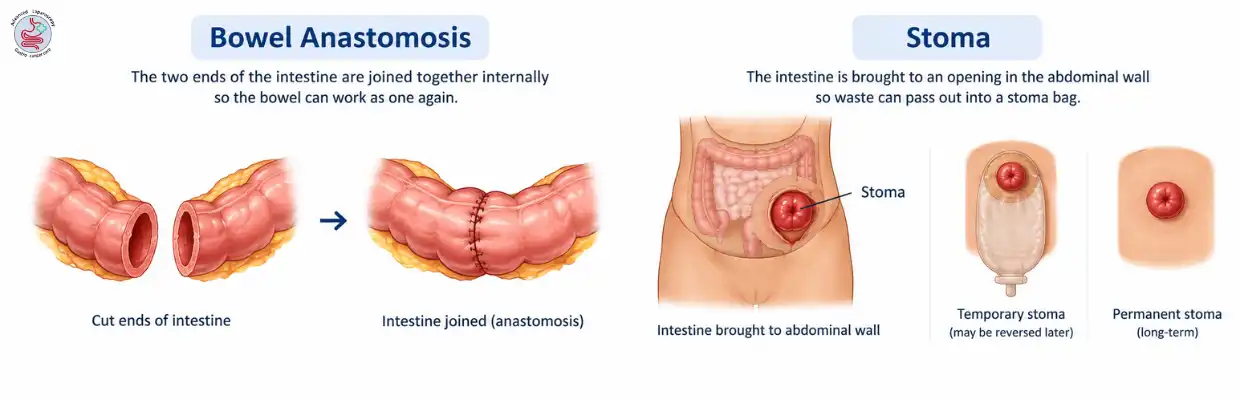
Bowel Resection & Anastomosis involves two main steps: removing the affected section of the intestine and reconnecting the remaining healthy ends.

  • Bowel resection: The surgeon removes the portion of the small or large intestine affected by disease, injury, blockage, or other damage.
  • Intestinal anastomosis: The healthy ends of the intestine are surgically joined to restore continuity and allow intestinal contents to pass through the digestive tract.

The type of operation depends on which part of the bowel is affected, how much tissue needs to be removed, and whether the remaining intestine is healthy enough to be reconnected safely.

In some cases, reconnecting the bowel immediately may not be advisable. The surgeon may recommend a temporary or permanent stoma, depending on the clinical situation.
Bowel Resection & Anastomosis in chennai

When Is Bowel Resection Surgery Needed?

Bowel resection may be recommended when a portion of the intestine is severely damaged or affected by a condition that cannot be adequately managed with medication or less invasive treatments.

  • Colorectal Cancer: Bowel resection is an important treatment for selected cancers of the colon and rectum. The surgeon removes the affected section along with the appropriate surrounding tissue and, when indicated, nearby lymph nodes. The treatment plan depends on the tumour's location, stage, and other clinical findings.
  • Bowel Obstruction: A bowel obstruction occurs when the normal passage of intestinal contents becomes blocked. Causes include adhesions from previous surgery, tumours, strictures, and certain twisting or narrowing conditions. Surgery may be required if the blockage cannot be relieved safely or if the bowel is at risk of damage.
  • Intestinal Perforation: A perforation is a hole in the intestinal wall that can allow bowel contents to leak into the abdominal cavity. It may cause a serious infection and requires urgent medical assessment. Depending on the extent of damage and the patient's condition, surgery may involve removing the affected bowel and deciding whether immediate reconnection is safe.
  • Crohn's Disease and Other Inflammatory Bowel Conditions: Severe intestinal narrowing, fistulas, recurrent obstruction, or other complications of Crohn's disease may require surgery. Bowel resection can remove the affected segment, but it does not cure Crohn's disease, and further inflammation may develop later. Surgery is considered according to the nature and severity of the condition.
  • Complicated Diverticulitis: Diverticulitis occurs when small pouches in the colon become inflamed or infected. Surgery may be necessary in selected complicated cases, such as persistent infection, an abscess that cannot be managed with other treatments, fistula formation, obstruction, or perforation.
  • Bowel Injury or Severe Tissue Damage: Trauma, loss of blood supply, or other forms of severe intestinal damage can make a section of the bowel unsuitable for preservation. Removing the affected tissue may be necessary to prevent further complications and protect the remaining intestine.

What Happens During Bowel Resection and Anastomosis Surgery?

The exact surgical approach varies depending on the affected bowel segment, the underlying disease, and the patient's health. The procedure generally involves the following steps.

Preoperative Evaluation

  • Before surgery, the doctor reviews the patient's symptoms, medical history, medications, and previous treatments. Investigations may include blood tests, CT scans, colonoscopy, or other imaging studies, depending on the diagnosis.
  • The surgical and anaesthesia teams assess the patient's fitness for surgery and explain the planned procedure, expected recovery, and possible complications.

Anaesthesia and Surgical Access

  • The operation is usually performed under general anaesthesia. The surgeon accesses the affected intestine using an open surgical approach or minimally invasive techniques, such as laparoscopy, when appropriate.
  • Laparoscopic surgery uses small incisions and a camera to guide the operation. Not every patient is suitable for this approach, and the final decision depends on the condition being treated and the complexity of the surgery.

Removal of the Affected Bowel

  • The surgeon identifies and removes the diseased or damaged section of the intestine. The amount of bowel removed depends on the underlying condition and the need to preserve as much healthy intestine as possible.
  • For cancer surgery, the extent of removal also depends on the tumour's location and the required oncological margins and lymph node assessment.

Reconnection of the Intestine

  • If the remaining bowel ends are healthy and can be joined safely, the surgeon creates an anastomosis. This connection may be made using surgical sutures, stapling devices, or a combination of techniques.
  • The surgeon assesses factors such as blood supply, tissue condition, and tension at the connection before deciding whether immediate reconnection is appropriate.

Postoperative Monitoring

  • After surgery, the medical team monitors the patient's pain, vital signs, bowel function, wound healing, and ability to tolerate food and fluids. Early movement, appropriate nutrition, and follow-up care support recovery.

Open vs Laparoscopic Bowel Resection

Both approaches can be used to remove affected bowel tissue. The choice depends on the patient's diagnosis, previous abdominal operations, the extent of disease, and the surgeon's assessment.

Feature Open surgery Laparoscopic surgery
Surgical access Usually involves a larger abdominal incision Uses several smaller incisions
Visualisation Direct access to the surgical area Camera-guided visualisation
Recovery May require a longer recovery in some cases May allow less postoperative pain and a quicker recovery in suitable patients
Suitability Used when open access is necessary or preferable Used when the condition and patient's health make it appropriate

The minimally invasive approach is not suitable for every patient. Safety and effective treatment take priority when selecting the surgical method.

Is a Stoma Always Required After Bowel Resection?

No. A stoma is not necessary after every bowel resection.

When the surgeon can safely reconnect the healthy ends of the intestine, bowel continuity may be restored during the same operation. However, a temporary or permanent stoma may be required if immediate reconnection would carry an unacceptable risk.

A stoma brings part of the intestine to an opening in the abdominal wall, allowing intestinal waste to pass into a collection bag. The decision depends on factors such as infection, inflammation, bowel blood supply, the location of the operation, and the patient's overall condition.

If a temporary stoma is created, reversal may be considered after healing and reassessment. Reversal is not guaranteed and depends on individual clinical factors.

Benefits of Bowel Resection and Anastomosis

When surgery is indicated, bowel resection and anastomosis may offer several benefits:

  • Removal of diseased tissue: Eliminates the affected section responsible for certain complications.
  • Relief from obstruction: Can restore the passage of intestinal contents when a damaged or narrowed section causes blockage.
  • Treatment of selected bowel cancers: Removes the tumour-bearing segment as part of an appropriate cancer treatment plan.
  • Management of severe intestinal damage: Helps address conditions such as perforation or non-viable bowel tissue.
  • Restoration of bowel continuity: Reconnecting healthy intestinal ends may allow waste to pass through the digestive tract without a stoma.

The expected benefits depend on the condition being treated, and the procedure does not guarantee that all symptoms or the underlying disease will be permanently resolved.

Risks and Possible Complications

Bowel resection is a major operation, and like other abdominal surgeries, it carries potential risks. Your surgeon will explain the risks that apply to your condition.

Possible complications include:

  • Bleeding during or after surgery
  • Wound or abdominal infection
  • Injury to nearby organs or tissues
  • Blood clots and anaesthesia-related complications
  • Temporary slowing of bowel activity after surgery
  • Adhesions or bowel obstruction
  • Anastomotic leak, where the bowel connection does not heal adequately
  • Anastomotic narrowing, which may interfere with the passage of intestinal contents
  • The need for additional treatment, drainage, or another operation

Anastomotic leakage is a particularly important complication because it can lead to infection within the abdomen. The risk varies with the patient's health, the type of surgery, tissue condition, and other clinical factors.

Recovery After Bowel Resection and Anastomosis

Recovery depends on the extent of the operation, the surgical approach, the underlying disease, and the patient's overall health. Some patients recover relatively quickly, while others need more time and additional treatment.

Hospital Recovery

  • During the initial recovery period, the medical team monitors pain, hydration, bowel activity, wound healing, and signs of complications. Eating and drinking are resumed according to the patient's progress and the surgeon's instructions.
  • Patients are generally encouraged to begin moving as soon as it is medically appropriate, as this can help reduce certain postoperative risks.

Diet After Surgery

  • Food is usually reintroduced according to bowel function and individual tolerance. Some patients begin with liquids and gradually progress to more substantial foods, while others may follow a different plan.
  • Your doctor or dietitian may recommend temporary dietary adjustments based on the section of bowel removed, the reason for surgery, and any digestive symptoms.

Returning to Daily Activities

  • Light activities can usually be increased gradually as recovery progresses. Heavy lifting, strenuous exercise, and activities that strain the abdomen should be avoided until the surgical team confirms they are safe.
  • Follow-up appointments help assess healing, review the surgical findings, and determine whether additional treatment is required.

Warning Signs After Surgery

  • Contact your medical team promptly if you experience fever, worsening abdominal pain, persistent vomiting, increasing abdominal swelling, wound redness or discharge, or difficulty passing stool or gas.
  • Severe or rapidly worsening symptoms require urgent medical assessment because they may indicate a postoperative complication.

What Is the Cost of Bowel Resection and Anastomosis in Chennai?

The cost of bowel resection and anastomosis in Chennai varies from patient to patient. There is no single price that applies to every operation.

Factors that influence the total cost include:

  • The underlying condition and complexity of surgery
  • The type of bowel resection required
  • Open or laparoscopic surgical approach
  • Hospital and operating theatre charges
  • Anaesthesia, investigations, and medications
  • Length of hospital stay
  • Intensive care or treatment for complications, if required
  • Additional procedures, including stoma creation when necessary

For an accurate estimate, patients should consult the treating surgeon and hospital after the diagnosis and proposed surgical plan have been assessed.

Why Consult Dr. Dinesh Ramaswamy for Bowel Surgery in Chennai?

Choosing a surgeon for bowel surgery involves understanding the diagnosis, the proposed operation, the available treatment options, and the care required after surgery.

Dr. Dinesh Ramaswamy is a Surgical Gastroenterologist in Chennai who provides care for gastrointestinal conditions requiring surgical evaluation and treatment. His practice includes bowel resection and other intestinal and colorectal procedures.

During consultation, patients can discuss the reason surgery may be needed, whether open or minimally invasive surgery is appropriate, the possibility of a stoma, expected recovery, and potential complications.

Treatment decisions should be individualised, with the aim of addressing the underlying condition while preserving healthy bowel tissue whenever possible.

If you have been diagnosed with a bowel condition or advised to consider intestinal surgery, arrange a consultation to understand the available options and the next steps in your care.

Conclusion

Bowel resection and anastomosis can help treat several serious intestinal conditions by removing diseased tissue and reconnecting healthy bowel when appropriate. Understanding the reason for surgery, the available surgical approaches, possible complications, and the recovery process can help patients prepare for treatment.

For bowel resection and anastomosis in Chennai, consult Dr. Dinesh Ramaswamy to discuss your diagnosis, suitable surgical options, and personalised recovery plan. Timely assessment and appropriate follow-up are important for managing intestinal conditions and supporting recovery.


Frequently Asked Questions

Common questions about Bowel Resection & Anastomosis and our services

Bowel resection means removing a diseased or damaged part of the intestine. Anastomosis means surgically joining the remaining healthy ends. Both steps may be performed during the same operation when reconnecting the bowel is safe.

The duration depends on the location of the affected bowel, the complexity of the condition, the surgical approach, and whether additional procedures are needed. Your surgeon can provide an estimate based on your individual treatment plan.

Recovery varies depending on the operation and the patient’s health. Hospital recovery may take several days, while returning to usual activities can take several weeks or longer. Complications or more extensive surgery may prolong recovery.

Yes. Laparoscopic bowel resection is an option for selected patients. It uses small incisions and a camera to guide the surgery and may reduce wound-related discomfort and shorten recovery in suitable cases. Open surgery may be more appropriate for some conditions.

Not always. If the bowel can be reconnected safely, a stoma may not be necessary. A temporary or permanent stoma may be recommended when immediate reconnection is unsafe or when it is needed as part of the treatment plan.

Possible warning signs include increasing abdominal pain, fever, a rapid heartbeat, abdominal swelling, persistent nausea or vomiting, or a general deterioration in health after surgery. These symptoms require urgent medical assessment. A leak can sometimes occur without obvious early symptoms.

Your diet will depend on the section of bowel removed and how well your digestive system recovers. Food is generally reintroduced gradually according to medical advice. Your surgical team may recommend temporary dietary changes to improve tolerance and support healing.

Explore Our Latest Vlogs

Stay updated with expert insights, latest trends, and helpful articles.

Need Medical Assistance? Book an Appointment Now!

Take the first step toward better digestive health. Book an appointment with our laparoscopy and gastroenterology team to receive expert care, clear guidance, and advanced minimally invasive solutions tailored to your needs.