Your digestive system does some of the most important work in your body every single day. It breaks down food, absorbs nutrients, and moves waste out. But when something goes wrong inside the gut, your body starts sending warning signals well before things turn serious. Most people ignore these signals or blame everyday stress. Knowing the early signs of digestive disorders is one of the most powerful things you can do for your long-term health. This article explains every warning sign clearly so you can act early and feel better faster.
What is a Digestive Disorder?
- A digestive disorder is any condition that disrupts how your digestive system works. Your digestive system includes your mouth, oesophagus, stomach, small intestine, large intestine, liver, gallbladder, and pancreas. When any one part stops working properly, the effects spread across the entire system.
- Digestive disorders range from mild conditions like occasional bloating or acid reflux to serious long-term conditions like irritable bowel syndrome (IBS), inflammatory bowel disease (IBD), gastroesophageal reflux disease (GERD), peptic ulcers, and celiac disease. Doctors consistently confirm one important fact: the earlier you identify the signs, the easier treatment becomes and the better your outcome.
Persistent Bloating that does not Settle After Meals
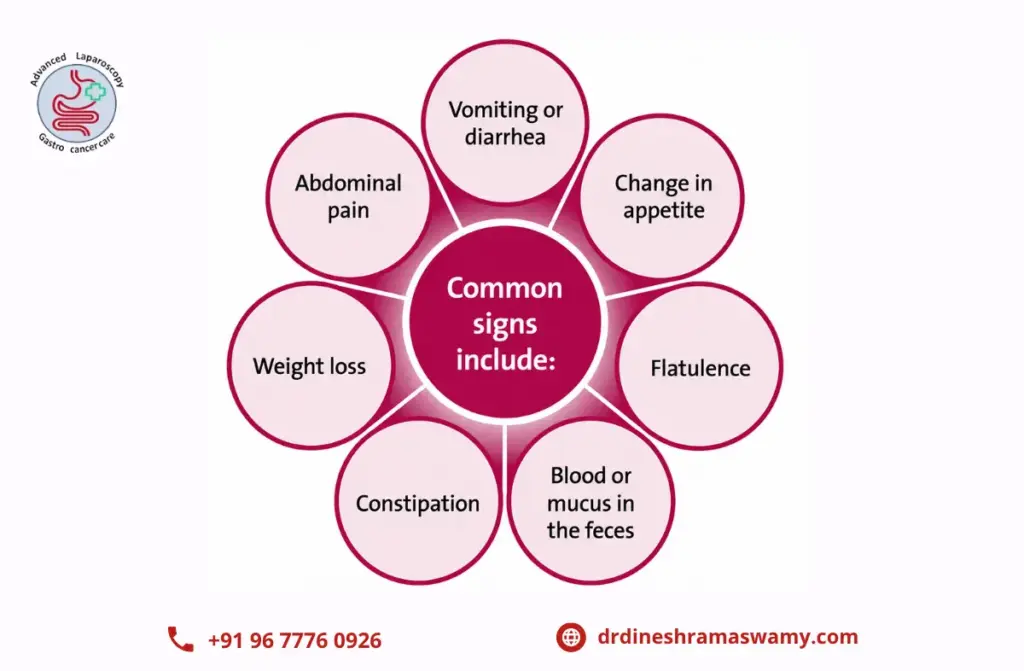
- Feeling bloated after a very large meal is normal. But if you feel bloated frequently, even after small regular meals, and the discomfort lingers for hours, your digestive system is asking you to pay attention.
- Persistent bloating happens when gas builds up in the stomach or intestines because food is not being broken down or moved through at the right speed. Common causes include lactose intolerance, gluten sensitivity, an imbalance in gut bacteria (gut dysbiosis), slow stomach emptying (gastroparesis), or early-stage IBS. The key difference between normal bloating and disorder-linked bloating is how often it happens, whether it occurs after most meals regardless of what you eat, and whether it comes with pain, visible belly swelling, or excessive gas.
- If your bloating is paired with sudden unintended weight loss, blood in your stool, or severe abdominal pain, see a gastroenterologist without delay.
Frequent Heartburn or Acid Reflux
- Heartburn is a burning feeling that starts in your upper stomach and moves up through your chest. Experiencing it occasionally after a heavy meal is not a concern. But when it happens more than twice a week or starts disrupting your sleep, it is one of the clearest early signs of digestive disorders, specifically GERD.
- In GERD, a valve at the lower end of the oesophagus called the lower oesophageal sphincter becomes weak and allows stomach acid to flow back up. Repeated acid exposure damages the oesophagus lining and can lead to a pre-cancerous condition called Barrett’s oesophagus if left untreated for years. Other symptoms include a sour taste in the mouth on waking, a chronic dry cough, a lump-like sensation in the throat, and difficulty swallowing. Symptoms worsen after lying down soon after eating or eating close to bedtime.
Noticeable Changes in Bowel Habits
- Your bowel movements are among the most reliable indicators of how your digestive system is functioning. Anywhere between 3 movements per day to 3 movements per week is considered normal, as long as it is consistent for you and does not involve straining or discomfort.
- The warning sign appears when you notice a significant and persistent change from your personal normal. New constipation lasting several days or sudden frequent loose stools without an obvious cause both deserve medical attention, especially when they persist for more than 3 weeks. Constipation lasting weeks can signal slow bowel motility, an underactive thyroid, or in more serious cases early colorectal cancer. Persistent loose stools can indicate IBS, IBD, or celiac disease.
- Stool colour also matters. Pale chalky stools suggest a liver or bile issue. Black tarry stools can mean bleeding in the upper digestive tract. Bright red blood in the stool needs immediate evaluation.
Recurring Nausea without a Clear Reason
- Nausea appearing regularly without an obvious trigger like food poisoning, motion sickness, or medication is your digestive system communicating a problem. Chronic or recurring nausea can be an early warning sign of gastritis caused by H. pylori infection, peptic ulcers, GERD, delayed stomach emptying (gastroparesis), or early liver and gallbladder problems.
- Many people assume persistent nausea is anxiety-related. While the gut-brain connection does allow stress to produce real physical digestive symptoms, nausea that appears predictably after meals or first thing in the morning, or nausea accompanied by vomiting, unintended weight loss, or pain in the upper right abdomen, needs a proper diagnosis. Masking nausea with antacids without identifying the root cause can delay catching a treatable condition early.
Recurring Abdominal Pain and Cramping
- Everyone gets a stomach ache occasionally. This type of pain usually improves within one or two days. The warning sign is abdominal pain that comes back regularly, happens several times a week, lasts for hours, or is severe enough to interrupt your daily activities.
- The location of pain gives important clues. Upper middle or left abdominal pain is often linked to the stomach or pancreas. Upper right abdominal pain, especially after fatty meals, can point to the gallbladder. Pain around the belly button or lower abdomen is often related to the intestines. In IBS, cramping pain typically occurs before or during a bowel movement and eases once the bowel empties. In IBD, the pain is more persistent and is often accompanied by fever, blood in the stool, and progressive weight loss. Pain that starts near the belly button and moves sharply to the lower right side along with fever and nausea may indicate appendicitis, which needs emergency care immediately.
Unusual Fatigue After Eating Normal Meals
- It is normal to feel a little sleepy after consuming a large lunch. But feeling genuinely exhausted or mentally foggy after regular everyday meals is not normal tiredness. Post-meal fatigue that happens consistently, regardless of meal size or time of day, can be an early warning sign of digestive conditions that affect nutrient absorption.
- When the lining of the small intestine is damaged or inflamed, the body cannot absorb nutrients properly even when you are eating enough. This happens in conditions like celiac disease, small intestinal bacterial overgrowth (SIBO), or Crohn’s disease. When nutrients are not reaching your cells properly, your body does not have the fuel it needs, causing tiredness and poor concentration even right after eating. If your post-meal fatigue comes alongside bloating, loose stools, or signs of nutritional deficiency like hair loss, pale skin, or brittle nails, consult a gastroenterologist and ask for a comprehensive blood panel.
Persistent Bad Breath Despite Good Oral Hygiene
- Chronic bad breath (halitosis) that continues even after thorough brushing, flossing, and tongue cleaning is one of the least discussed but genuinely important early signs of digestive disorders. When food moves through the digestive system too slowly or when bacterial overgrowth occurs in the gut, fermentation happens inside the digestive tract and the gases produced travel up through the oesophagus and present as bad breath with no dental explanation.
- Digestive conditions linked to unexplained bad breath include GERD, SIBO, and H. pylori infection. If your dentist has confirmed your teeth and gums are healthy and bad breath persists, raise it specifically with a gastroenterologist as a digestive symptom rather than an oral hygiene problem.
Why these Signs Often Appear Together
- The digestive system is one connected and integrated system. When one part comes under stress, the effects spread. A person with early GERD will often also report bloating, nausea, and disrupted sleep. A person developing IBS will commonly experience both abdominal cramping and irregular bowel movements alongside excess gas and fatigue. Recognising patterns of symptoms together rather than treating each one separately is how accurate diagnoses get made faster.
- The gut-brain axis is a two-way communication network between the digestive system and the brain that operates through nerves, immune signals, and hormones. Prolonged stress, poor sleep, and anxiety can genuinely worsen digestive symptoms. Conversely, a struggling gut can increase feelings of anxiety and low mood. Effective treatment of digestive disorders involves looking at diet, sleep, physical activity, and stress management together rather than relying on medication alone.
When to See a Doctor Without Delay
Do not wait if you notice any of the following alongside the signs described above:
- Blood in your stool or vomit, regardless of how small the amount
- Unintended weight loss of more than 2 to 3 kilograms over a few weeks without dieting
- Difficulty swallowing or the feeling that food is getting stuck
- Continuous vomiting that makes it difficult to retain food or liquids
- Yellowish changes in the skin and the whites of the eyes, which may indicate jaundice
- Severe or sudden abdominal pain that comes on fast
- Digestive symptoms that regularly wake you from sleep
- A strong family history of colorectal cancer, stomach cancer, or IBD
Daily Habits that Protect your Digestive Health
These proven everyday habits make a genuine difference to your digestive health over time:
- Drink at least 2 to 2.5 litres of plain water daily to keep the digestive tract moving smoothly.
- Eat meals slowly, chew food thoroughly, and avoid eating while rushing or stressed.
- Include fibre-rich foods in every meal: vegetables, fruits, whole grains, dal, and legumes.
- Reduce ultra-processed foods, fried snacks, excess sugar, and alcohol which disrupt gut bacteria.
- Walk for 20 to 30 minutes after meals to directly stimulate bowel motility.
- Avoid lying down within 2 hours of eating, especially if you have acid reflux.
- Get 7 to 8 hours of good sleep each night as the gut repairs itself during deep sleep.
- Add probiotic-rich foods like fresh curd or buttermilk after confirming with your doctor.
Conclusion
The early signs of digestive disorders are real, they are your body talking to you, and they deserve to be taken seriously rather than dismissed as just normal stomach troubles. From persistent bloating and acid reflux to irregular bowel movements, unexplained fatigue, and chronic bad breath, each sign is a signal that your gut needs attention. When you listen early, catch the problem before it grows, and work with the right healthcare team, most digestive conditions are highly treatable and very manageable with the right combination of medical care and positive lifestyle changes. Your digestive system influences many aspects of your health, so taking care of it should be a priority.
Read more: How to Cure Indigestion Fast