When it comes to digestive health, the pancreas often goes unnoticed until problems arise, even though it plays a vital role in digestion and blood sugar control. Early symptoms like mild abdominal pain or unexplained weight loss are often ignored, allowing conditions to progress silently. Seeking timely care from a pancreas specialist can make a significant difference in diagnosis and treatment outcomes. Consulting a pancreas specialist in Chennai at the right stage helps ensure accurate evaluation and effective management of pancreatic disorders.
Common Pancreatic Conditions Treated
Pancreatic disorders are complex, and they require specialized evaluation. A Pancreas specialist in Chennai handles a wide range of conditions, each requiring a tailored approach.
- Pancreatic Cancer: Pancreatic cancer is one of the most serious conditions affecting the pancreas. It often develops silently, without obvious symptoms in the early stages.
- Chronic Pancreatitis: This is a long-term inflammation of the pancreas that gradually damages its function. Patients often describe recurring abdominal pain that worsens after meals. Over time, digestion becomes difficult, leading to nutritional deficiencies. With proper medical care and lifestyle adjustments, symptoms can be controlled effectively.
- Pancreatic Cysts and Tumors: Not all cysts are cancerous, but some can become malignant if left untreated. These are usually detected incidentally during scans. A specialist evaluates their size, nature, and risk level before deciding whether monitoring or surgery is required.
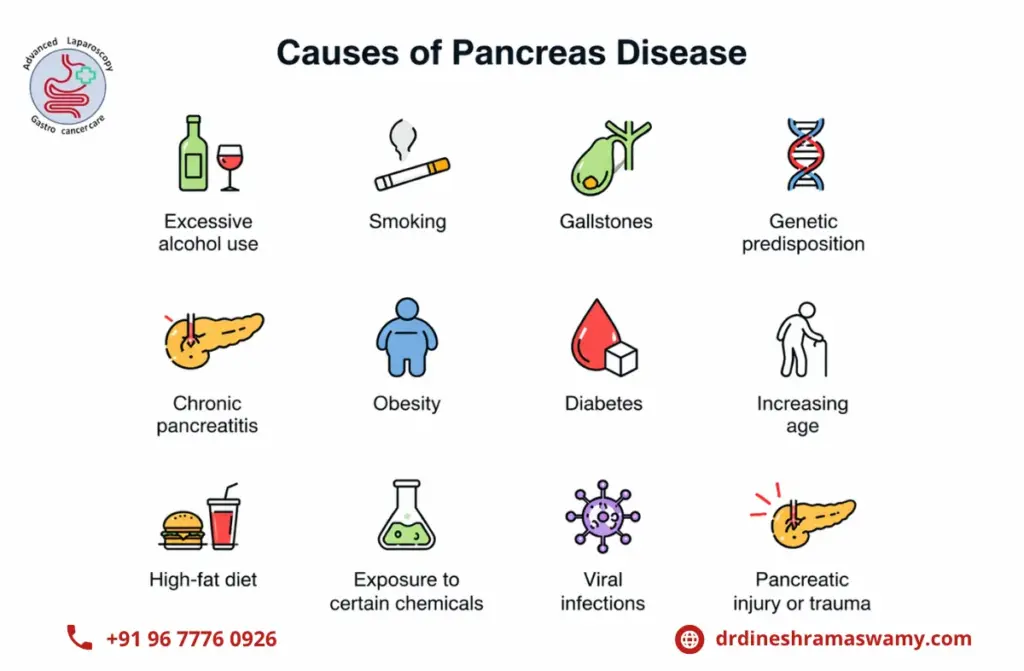
- Acute Pancreatitis: This condition occurs suddenly and can be extremely painful. It is often triggered by gallstones or alcohol use. Patients may require hospitalization for immediate care, including pain control and supportive treatment.
- Pancreatic Duct Disorders: Blockages or narrowing of pancreatic ducts can interfere with enzyme flow, leading to pain and digestion problems. Endoscopic procedures are often used to treat these conditions without major surgery.
Symptoms That Require a Pancreas Specialist
Many pancreatic conditions start with subtle symptoms. Ignoring them can delay diagnosis. If you notice any of the following, consult a Pancreas specialist in chennai immediately.
- Persistent Abdominal Pain: Pain in the upper abdomen that spreads to the back is one of the most common warning signs of pancreatic problems. It often becomes more noticeable after eating, especially heavy or fatty meals. This type of pain may come and go initially but can gradually become constant, indicating the need for medical evaluation.
- Unexplained Weight Loss: Losing weight without any changes in diet or physical activity can signal an underlying issue with digestion. When the pancreas is not functioning properly, the body struggles to absorb nutrients effectively. Over time, this leads to fatigue, weakness, and noticeable weight loss.
- Jaundice: Jaundice appears as a yellowing of the skin and eyes and is often linked to a blockage in the bile duct. This can occur when a tumor presses on the duct, preventing bile from flowing normally. It is a critical sign that needs prompt medical evaluation and timely care.
- Digestive Issues: Problems like bloating, indigestion, and fatty stools can occur when the pancreas does not produce enough digestive enzymes. Food is not broken down properly, leading to discomfort and nutrient deficiencies. These symptoms are often persistent and may worsen over time if untreated.
- Real-Life Scenario: A middle-aged patient experienced mild back pain and reduced appetite but chose to ignore these early signs. Months later, further testing revealed a pancreatic mass that required more complex treatment. Early consultation could have led to quicker diagnosis and a less invasive approach, highlighting the importance of timely medical attention.
Meet Dr. Dinesh Ramaswamy – Leading Pancreas Specialist in Chennai
Dr. Dinesh Ramaswamy is a highly experienced gastrointestinal and hepatopancreatobiliary (HPB) surgeon known for treating complex pancreatic conditions with precision and care. He manages a wide range of disorders, including pancreatic cancer, chronic pancreatitis, pancreatic cysts, and other advanced digestive diseases. His approach focuses on accurate diagnosis and personalized treatment planning, ensuring that each patient receives care tailored to their specific condition.
With expertise in minimally invasive and laparoscopic procedures, he emphasizes faster recovery, reduced complications, and improved patient comfort. Beyond surgical skill, he is valued for his patient-centric approach—taking time to explain conditions clearly, guiding patients through every stage of treatment, and providing continuous support. For those seeking reliable and advanced pancreatic care in Chennai, he offers a balance of experience, technology, and compassionate treatment.
The Role of a Pancreas Specialist in Digestive Health
The pancreas plays a vital role in digestion and overall metabolic health. A pancreas specialist helps diagnose and manage complex pancreatic disorders using advanced medical expertise, ensuring patients receive accurate treatment and long-term digestive care.
- Specialized Pancreatic Care: Specialized pancreatic care focuses on identifying the exact cause of pancreatic symptoms and creating personalized treatment plans. This approach helps improve digestive function, reduce complications, and support long-term health management.
- Advanced Digestive Treatment: Modern digestive treatment uses advanced imaging, endoscopic techniques, and minimally invasive procedures for accurate diagnosis and safer treatment. These innovations help patients recover faster with improved treatment outcomes.
- Expert Pancreatic Management: Expert pancreatic management involves coordinated care from specialists, surgeons, and nutrition experts to address complex pancreatic conditions. Proper management improves digestion, reduces discomfort, and supports better quality of life.
- Comprehensive Digestive Care: Comprehensive digestive care provides complete support for digestive symptoms, nutritional health, and recovery after pancreatic treatment. Regular monitoring and lifestyle guidance help patients maintain overall digestive wellness.
- Personalized Pancreatic Treatment: Personalized pancreatic treatment ensures every patient receives care based on their condition, medical history, and treatment needs. Tailored treatment plans help achieve more effective and comfortable recovery outcomes.
- Modern Pancreatic Solutions: Modern pancreatic solutions combine advanced technology, minimally invasive procedures, and patient-focused are to improve treatment success. These methods help patients experience safer procedures, reduced pain, and quicker recovery.
Early diagnosis and specialized pancreatic care play a crucial role in maintaining digestive health and preventing complications. With modern treatment approaches and expert medical guidance, patients can achieve better recovery, improved digestion, and enhanced quality of life.
Diagnostic Tests for Pancreatic Disorders
A precise diagnosis is essential for planning the right treatment and achieving the best outcomes. A Pancreatic doctor in Chennai uses a combination of advanced imaging and laboratory tests.
- CT Scan and MRI: These imaging techniques provide detailed visuals of the pancreas and surrounding structures. They help identify tumors, inflammation, or structural abnormalities.
- Endoscopic Ultrasound (EUS): This is one of the most precise diagnostic tools for pancreatic conditions. A thin tube with an ultrasound probe is passed through the digestive tract to get close images of the pancreas.
- Blood Tests: Blood tests help evaluate pancreatic enzyme levels and detect markers associated with cancer or inflammation.
- Biopsy: If a suspicious growth is found, a biopsy confirms whether it is benign or malignant. This step is critical in planning treatment.
Advanced Treatment Options Available
Modern medicine has transformed how pancreatic diseases are treated. Patients today benefit from less invasive, more effective procedures.
- Minimally Invasive Pancreatic Surgery: These procedures involve smaller incisions, leading to faster recovery and less pain. Patients typically return to normal activities sooner compared to traditional surgery.
- Robotic Surgery: Robotic-assisted surgery allows greater precision, especially in complex pancreatic procedures. It improves outcomes and reduces complications.
- Endoscopic Procedures: Certain conditions can be treated without surgery using endoscopy. For example, blocked ducts can be cleared using specialized tools passed through the digestive tract.
- Non-Surgical Management: Not all cases require surgery. Chronic pancreatitis and mild conditions can often be managed with medications, enzyme supplements, and lifestyle changes.
Pancreatic Surgery Procedures Offered
For advanced pancreatic conditions, surgery may be the most effective treatment option. A skilled pancreas specialist carefully evaluates the patient’s condition to choose the most appropriate procedure. The goal is to remove disease, relieve symptoms, and improve overall quality of life.
- Whipple Procedure (Pancreaticoduodenectomy): This complex surgery is commonly performed for pancreatic cancer and involves removing part of the pancreas, bile duct, and small intestine. The digestive tract is then reconstructed to restore function.
- Distal Pancreatectomy: This procedure involves removing the tail portion of the pancreas and sometimes the spleen. It is typically recommended for tumors located in the lower part of the pancreas.
- Total Pancreatectomy: In rare cases, the entire pancreas is removed to treat extensive disease. Patients will require lifelong insulin therapy and enzyme supplements to manage digestion.
- Drainage Procedures: These procedures are mainly used for chronic pancreatitis to relieve ductal pressure and reduce pain. They help improve comfort and enhance the patient’s quality of life.
Why Choose Dr. Dinesh Ramaswamy for Pancreatic Treatment?
With over 15+ years of experience, he brings deep expertise in managing complex pancreatic conditions with precision and care. His consistently high success rate reflects strong clinical skills and patient trust. Treatment is delivered through a multidisciplinary approach, involving specialists across oncology, radiology, and nutrition for comprehensive care. Every patient receives a personalized plan with continuous guidance from diagnosis through recovery.
Dr. Dinesh Ramaswamy
- Years of experience:With extensive experience in gastrointestinal and pancreatic care, he understands complex cases deeply.
- High success rate: Consistent outcomes and patient trust reflect his clinical expertise.
- Multidisciplinary care: Treatment involves a team approach surgeons, oncologists, radiologists, and nutritionists working together.
- Patient-centered approach:Every treatment plan is personalized. Patients are guided at every step, from diagnosis to recovery.
Preventive Tips for Pancreatic Health
- Healthy Lifestyle Habits: Healthy lifestyle habits help reduce stress on the pancreas and support better digestion. Balanced nutrition, exercise, and proper hydration contribute to overall pancreatic wellness.
- Pancreatic Wellness Tips: Pancreatic wellness tips focus on preventing digestive complications through healthy daily choices. Avoiding smoking, alcohol, and unhealthy foods can help protect pancreatic function.
- Daily Preventive Care: Daily preventive care encourages regular health monitoring and consistent healthy routines. Proper care can help lower the risk of chronic pancreatic and digestive disorders.
- Maintaining Pancreatic Health: Maintaining pancreatic health involves early attention to symptoms and following healthy dietary habits. Timely medical care can improve treatment success and prevent complications.
- Smart Health Practices: Smart health practices help individuals make informed decisions about digestive care and medical treatment. Regular health check-ups and expert medical consultations play an important role in maintaining long-term health and overall well-being.
- Protecting Digestive Health: Protecting digestive health requires awareness of symptoms and proactive healthcare management. Early diagnosis and proper treatment can help maintain digestive comfort and overall quality of life.
Recovery and Post-Surgical Care
Recovery after pancreatic treatment requires patience and proper care.
- Hospital Stay Duration: Depending on the type and complexity of the procedure, patients typically remain in the hospital for 5 to 10 days. During this period, doctors closely monitor recovery, manage pain, and ensure there are no immediate complications.
- Diet After Pancreatic Surgery: Diet plays a crucial role in healing and long-term recovery. Patients are usually advised to eat small, frequent meals, avoid fatty foods, and include easily digestible proteins to support digestion and energy levels.
- Follow-up Care: Regular follow-up visits are essential to track recovery progress and identify any potential complications early. These appointments also help doctors adjust medications and provide guidance for a smoother recovery.
- Lifestyle Adjustments: Adopting healthy habits is important for long-term outcomes. Patients are encouraged to quit smoking and alcohol, maintain a balanced diet, and stay physically active to support overall digestive health and recovery.
Diet After Pancreatic Surgery
- Eat Small, Frequent Meals: After pancreatic surgery, the digestive system needs time to adjust. Eating smaller meals more frequently helps reduce pressure on digestion and prevents discomfort like bloating or nausea. This approach also ensures a steady supply of nutrients to support healing and recovery.
- Include Easily Digestible Foods: Choosing soft, simple, and protein-rich foods such as boiled vegetables, soups, rice, and lean meats makes digestion easier. These foods are gentle on the stomach and help the body regain strength without overworking the digestive system. Gradually, more variety can be added based on tolerance.
- Limit Fat Intake: The pancreas plays an important role in breaking down fats, so after surgery, high-fat foods can be difficult to digest. Avoiding fried and oily foods helps prevent symptoms like indigestion, diarrhea, and abdominal discomfort. A low-fat diet supports smoother digestion and better recovery.
- Stay Hydrated: Proper hydration is essential during recovery, as it supports digestion and overall body function. Drinking enough water throughout the day helps prevent dehydration and aids in nutrient absorption, especially when appetite may be reduced.
- Take Enzyme Supplements if Advised: In some cases, the body may not produce enough digestive enzymes after surgery. Doctors may prescribe enzyme supplements to help break down food effectively and improve nutrient absorption. Taking them as recommended can significantly enhance digestion and comfort.
Conclusion
Pancreatic conditions can be challenging, but early diagnosis and expert care make all the difference. Ignoring symptoms or delaying consultation often leads to complications that could have been avoided. If you or a loved one is experiencing persistent abdominal pain, unexplained weight loss, or digestive issues, consulting a Pancreas specialist in chennai is the smartest step forward. With advanced diagnostic tools, modern surgical techniques, and experienced specialists, Chennai offers world-class pancreatic care.
Read more: Surgical Gastroenterologist in Vadapalani