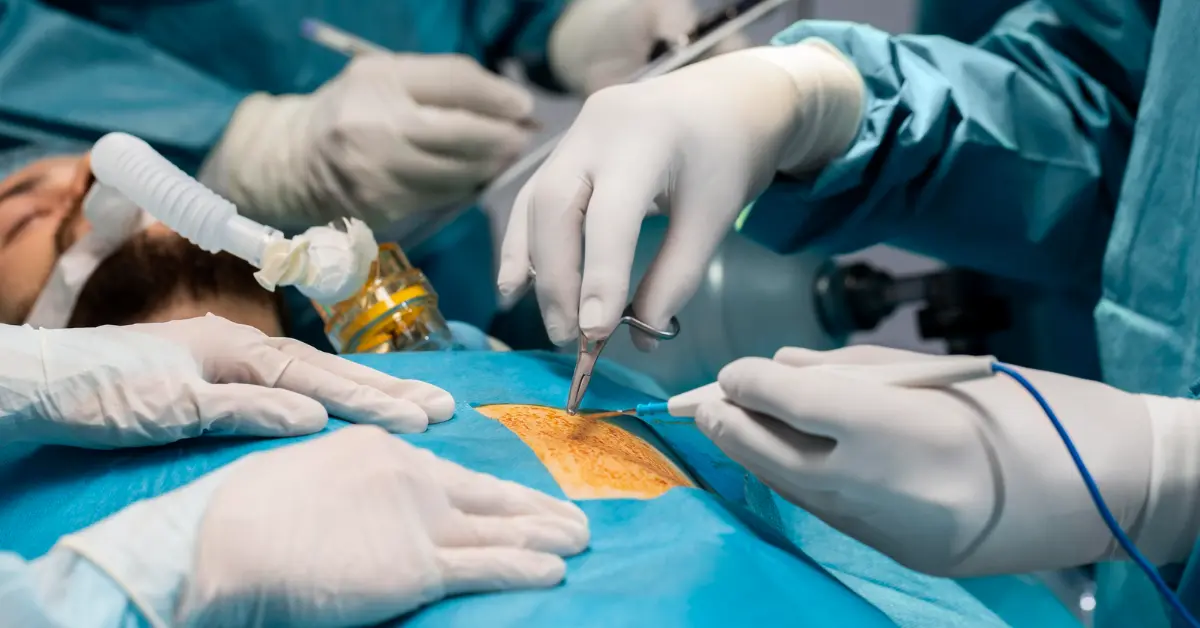
Heller’s Cardiomyotomy is a proven surgical solution for achalasia cardia—a condition where the food pipe (esophagus) struggles to push food into the stomach due to a tight lower esophageal sphincter. This procedure focuses on cutting the stiff muscle fibers that block smooth swallowing. Done right, it’s a life-changer. Patients who’ve lived with chest pain, regurgitation, and weight loss finally get relief. Today, Heller’s Cardiomyotomy is commonly performed using minimally invasive laparoscopic techniques, meaning smaller cuts, faster recovery, and long-term symptom control. If medications and dilatation haven’t worked, this surgery is the gold standard. It’s not hype—it’s outcomes. When performed by an experienced specialist, Heller’s Cardiomyotomy restores quality of life, helps patients eat normally again, and prevents complications like esophageal dilation and aspiration. This page breaks down everything you need to know—clearly, honestly, and without fluff.
Real talk: choosing the right surgeon massively reduces these risks.
No overpromising. Just solid outcomes.
Heller’s Cardiomyotomy is not just a surgical procedure—it’s a reset button for people struggling with achalasia. When swallowing becomes effortless again, life upgrades instantly. With modern minimally invasive techniques, recovery is faster, outcomes are better, and risks are low. Choosing the right surgeon matters more than anything else. If you’re looking for a durable, evidence-backed solution with real results, Heller’s Cardiomyotomy stands tall as the gold standard.
Heller’s Cardiomyotomy provides long-term relief for most patients with achalasia. While achalasia itself is chronic, this surgery effectively relieves obstruction and improves swallowing for years. Many patients remain symptom-free long term, especially when the procedure is combined with fundoplication and performed by an experienced surgeon.
Most patients recover quickly. Hospital stay is usually 2–3 days. Liquids start early, followed by soft foods. Normal activities resume within 1–2 weeks. Complete dietary normalization may take a few weeks, but symptom relief is often immediate and noticeable.
Acid reflux can occur if the muscle is cut without protection. That’s why a partial fundoplication is typically added during Heller’s Cardiomyotomy. This significantly reduces reflux risk. With proper technique and follow-up, most patients experience excellent control of reflux symptoms.
Stay updated with expert insights, latest trends, and helpful articles.
Take the first step toward better digestive health. Book an appointment with our laparoscopy and gastroenterology team to receive expert care, clear guidance, and advanced minimally invasive solutions tailored to your needs.