
Your gut does more than digest food—it influences immunity, energy levels, mood, and overall health. When digestion is balanced, the body functions better from the inside out. Learning how to improve gut health can help reduce digestive discomfort and support long-term wellness in a natural, sustainable way.
What is Gut Health
Gut health refers to the balance of good and bad bacteria in the digestive tract and how efficiently the digestive system works. A healthy gut supports proper digestion, nutrient absorption, and immune defense. Understanding the importance of gut health helps explain why digestive balance is essential for both physical and mental well-being.
Signs of Poor Gut Health
Poor digestion doesn’t always show up loudly. Often, the body sends subtle signals when it’s time to improve gut health.
Common Digestive Symptoms
- Frequent bloating, gas, or abdominal discomfort:These symptoms often occur when digestion is slow or food is not broken down properly. Trapped gas can cause pressure and discomfort, especially after meals, indicating digestive imbalance.
- Constipation, diarrhea, or irregular bowel movements: Irregular bowel habits may result from poor gut motility, low fiber intake, or dehydration. When digestion is disrupted, the body struggles to eliminate waste efficiently, leading to discomfort and irregularity.
- Acid reflux and a constant feeling of heaviness after meals: Acid reflux occurs when stomach acid flows back into the esophagus, causing burning sensations. A heavy feeling after eating suggests delayed digestion or overeating, which strains the digestive system.
Non-Digestive Warning Signs
- Persistent fatigue and low energy levels: Poor digestion can limit nutrient absorption, leaving the body undernourished despite regular eating. This often results in constant tiredness and reduced stamina throughout the day.
- Skin problems such as acne or unexplained rashes: When digestion is impaired, toxins may not be eliminated efficiently, affecting skin health. Breakouts or rashes can be outward signs of internal digestive imbalance.
- Frequent infections due to weakened immunity:A large part of the immune system is linked to gut health. Poor digestion can weaken immune defenses, making the body more prone to infections and slower recovery.
Recognizing these early signs highlights the importance of gut health and helps take timely action before problems become chronic.
Causes of Poor Gut Health
Several everyday habits and lifestyle patterns can slowly weaken the digestive system. Over time, these factors disrupt gut bacteria balance, slow digestion, and make it difficult to improve gut health naturally if not addressed early.
Diet-Related Causes:
- Excessive consumption of packaged foods, added sugars, and refined carbohydrates: Highly processed foods are often low in nutrients and high in preservatives, unhealthy fats, and artificial additives. These ingredients feed harmful gut bacteria while reducing beneficial microbes. Excess sugar and refined carbs can trigger inflammation in the gut lining, leading to bloating, poor digestion, and long-term imbalance.
- Low fiber consumption from fruits, vegetables, and whole grains: Fiber acts as fuel for healthy gut bacteria and supports smooth bowel movements. A diet lacking in natural fiber slows digestion and reduces microbial diversity in the gut. Over time, this imbalance weakens digestion and makes it harder to improve gut health naturally through dietary changes alone.
- Irregular meal timings and overeating: Eating at inconsistent times or consuming large portions puts excessive strain on the digestive system. Overeating forces the gut to work harder, leading to indigestion, acidity, and sluggish metabolism. Irregular eating patterns also disrupt digestive rhythms, reducing nutrient absorption and gut efficiency.
Lifestyle & Medical Factors
- Chronic stress and lack of quality sleep: Stress directly affects the gut through the gut–brain connection. High stress levels can alter gut bacteria composition and slow digestion, while poor sleep interferes with gut repair and recovery. Together, these factors increase inflammation and make it difficult to maintain digestive balance.
- Sedentary lifestyle with minimal physical activity: Regular movement stimulates intestinal contractions that help food move smoothly through the digestive tract. A sedentary lifestyle slows gut motility, increasing the risk of bloating and constipation. Physical inactivity also reduces blood flow to digestive organs, negatively affecting overall gut function.
- Overuse of antibiotics or frequent medication intake: Antibiotics and certain medications can destroy both harmful and beneficial gut bacteria. Repeated use reduces microbial diversity and weakens the gut’s natural defense system. This imbalance can lead to digestion problems, weakened immunity, and long-term difficulty in restoring healthy gut function.
How to Improve Gut Health Naturally
To improve gut health, focus on whole foods, regular meal timings, and stress reduction. Eating fiber-rich foods, practicing mindful eating, and staying hydrated help restore gut balance. Natural approaches are often more sustainable and safer for long-term digestive support. Simple lifestyle changes can significantly improve gut health naturally without harsh medications.
Foods That Improve Gut Health
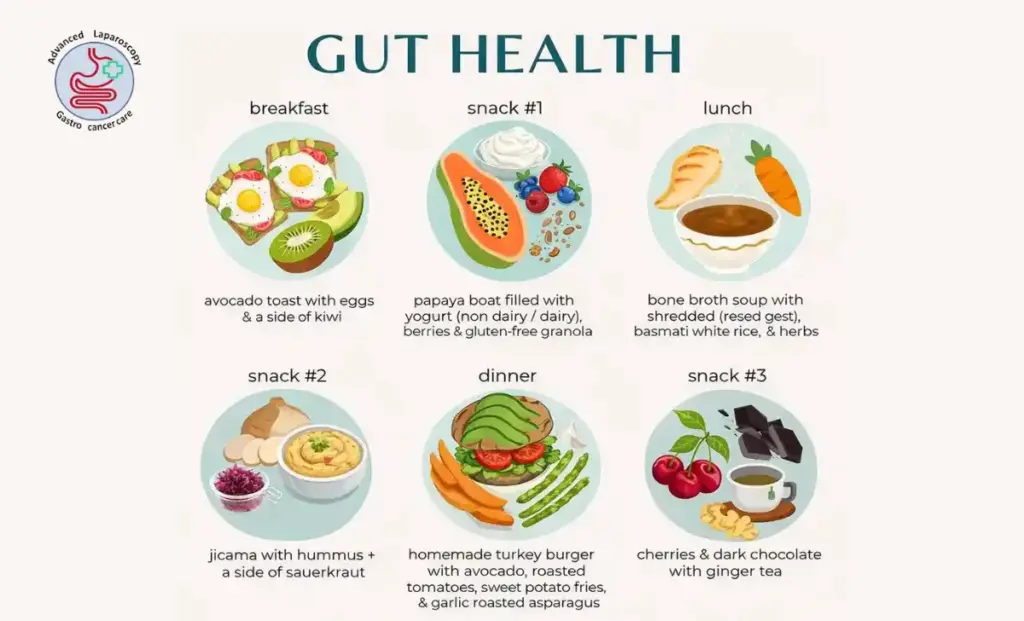
Including the right foods plays a major role in digestive wellness. Foods that improve gut health include
- Fruits: The natural fiber in fruits adds bulk to stools and feeds beneficial gut bacteria, which helps improve gut health and prevent constipation.
- Vegetables: Vegetables support digestive enzyme activity and promote regular bowel movements, allowing the gut to function more efficiently.
- Whole Grains: Whole grains act as prebiotics that fuel healthy gut microbes, strengthening digestion and helping improve gut health naturally.
- Yogurt: Yogurt introduces live probiotics into the gut, restoring bacterial balance and improving digestion over time.
- Fermented Foods: Fermented foods increase microbial diversity in the gut, which enhances nutrient absorption and supports immune function.
- Nuts: Nuts slow digestion in a healthy way, allowing better nutrient absorption and supporting gut lining health.
- Seeds: Seeds help regulate bowel movements and protect the gut lining through their fiber and essential fatty acid
These foods nourish good gut bacteria and support digestion. Choosing the right foods that improve gut health makes it easier to maintain a healthy digestive system.
Lifestyle Habits for Better Gut Health:
Daily habits strongly influence digestion. Regular physical activity, quality sleep, stress management, and proper hydration support gut function. Avoiding overeating and eating late at night also helps improve gut health. Small, consistent lifestyle habits reinforce the importance of gut health and promote long-term digestive comfort.
Conclusion
A healthy digestive system is essential for overall well-being and long-term vitality. Simple changes in diet, lifestyle, and daily habits can gradually improve gut health and support natural digestion. Choosing balanced meals and following consistent healthy routines also helps prevent recurring digestive issues. Understanding the importance of gut health allows you to take proactive steps toward a healthier future. If digestive problems continue, seeking expert care is important. Dr. Dinesh Ramaswamy specializes in diagnosing and treating gastrointestinal conditions, helping patients restore their digestive health and live more comfortably.