Medically reviewed by Dr. Dinesh Ramaswamy, MBBS, MS, MCh, DNB, FIAGES. Specialist in Surgical Gastroenterology and GI Oncology | Last reviewed: August 2026.
Digestive problems such as persistent stomach pain, acidity, bloating, constipation and changes in bowel habits can affect everyday life. While some conditions improve with simple treatment, recurring or severe symptoms may require evaluation by a specialist. A gastroenterologist focuses on diagnosing and managing disorders affecting the digestive system, including the stomach, intestines, liver, pancreas and gallbladder.
Dr. Dinesh Ramaswamy, a Senior Surgical Gastroenterologist and GI Onco Surgeon with over 20+ years of surgical experience, specialises in managing a range of gastrointestinal conditions, including those requiring advanced surgical care. Understanding the symptoms, identifying their underlying causes and seeking timely medical advice can help patients make informed decisions about their digestive health.
Who Is a Gastroenterologist?
A gastroenterologist is a medical specialist who diagnoses and manages conditions affecting the digestive system. This includes disorders involving the oesophagus, stomach, small and large intestines, liver, gallbladder, bile ducts and pancreas. These specialists help identify the underlying causes of digestive symptoms and recommend suitable treatment based on the patient’s condition.
Gastroenterologists manage a wide range of problems, from common concerns such as acidity, indigestion and constipation to more complex conditions such as inflammatory bowel disease, liver disorders and gastrointestinal cancers.
Their approach may involve clinical evaluation, laboratory investigations, imaging studies and procedures such as endoscopy or colonoscopy. When a condition requires an operation, a surgical gastroenterologist may be involved in planning and performing the appropriate surgical treatment.
What Does a Gastroenterologist Do?
A gastroenterologist plays an important role in maintaining digestive health through:
- Diagnosis of digestive disorders: Identifying the causes of abdominal pain, bloating, acidity and other gastrointestinal symptoms.
- Medical management: Treating digestive conditions with appropriate medications and lifestyle recommendations.
- Diagnostic procedures: Using endoscopy, colonoscopy and other investigations to examine the digestive tract.
- Management of chronic conditions: Providing ongoing care for conditions such as IBS, IBD and liver disorders.
- Surgical referrals: Identifying conditions that may require evaluation and treatment by a surgical gastroenterologist.
Which Organs Are Examined by a Gastroenterologist?
The digestive system includes several organs that work together to process food, absorb nutrients and eliminate waste. A gastroenterologist evaluates conditions affecting:
- Oesophagus: The passage that carries food from the mouth to the stomach.
- Stomach: Responsible for breaking down food during digestion.
- Small intestine: Helps absorb nutrients from digested food.
- Large intestine: Absorbs water and forms stools.
- Liver: Supports metabolism, detoxification and digestion.
- Gallbladder: Stores and releases bile for fat digestion.
- Pancreas: Produces digestive enzymes and hormones.
Understanding how these organs function helps specialists identify digestive problems and recommend appropriate treatment.
When Should You Consult a Gastroenterologist in Chennai?
Digestive symptoms can develop due to various reasons, including dietary habits, infections, inflammation and underlying gastrointestinal disorders. While occasional discomfort may not indicate a serious problem, symptoms that persist, recur frequently or interfere with daily activities should be evaluated by a specialist.
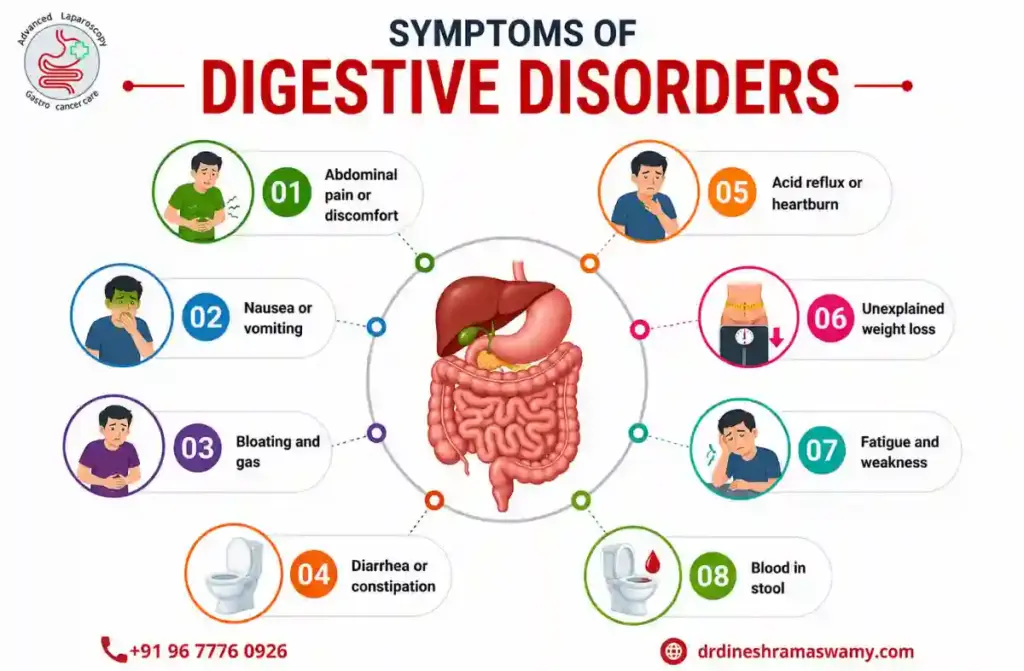
Consulting a gastroenterologist can help identify the underlying cause and determine the appropriate treatment. Some common symptoms that may require specialist evaluation include:
- Persistent Abdominal Pain: Recurring pain or discomfort in the abdomen may be associated with gastritis, ulcers, gallstones, intestinal disorders or other digestive conditions. Medical evaluation helps identify the cause and guide treatment.
- Frequent Acidity and Heartburn: Repeated burning sensations in the chest or upper abdomen, particularly after meals or while lying down, may indicate acid reflux or gastroesophageal reflux disease (GERD).
- Bloating and Indigestion: Frequent abdominal fullness, excessive gas, belching and discomfort after eating may be associated with food intolerances, functional digestive disorders or other gastrointestinal problems.
- Chronic Constipation or Diarrhoea: Persistent difficulty passing stools, frequent loose stools or alternating bowel habits may indicate an underlying digestive condition that requires investigation.
- Difficulty Swallowing: A sensation of food getting stuck in the throat or chest, or pain while swallowing, may be related to oesophageal disorders and should be medically evaluated.
- Blood in Stools: Blood in stools or rectal bleeding can occur due to haemorrhoids, anal fissures, intestinal inflammation or other gastrointestinal conditions. It should not be ignored and requires medical assessment.
- Unexplained Weight Loss: Losing weight without changes in diet or physical activity may sometimes be associated with malabsorption, chronic digestive disorders or other underlying medical conditions.
- Persistent Nausea and Vomiting: Repeated nausea or vomiting can occur due to infections, digestive obstruction, medication-related effects and other gastrointestinal problems. Persistent vomiting requires medical attention, particularly when accompanied by dehydration.
Early evaluation of these symptoms can help identify digestive conditions before complications develop. Severe abdominal pain, vomiting blood, black stools or significant bleeding require urgent medical assessment rather than waiting for a routine appointment.
Common Gastrointestinal Conditions Treated by Specialists
The digestive system can be affected by several conditions involving the stomach, intestines, liver, gallbladder and pancreas. Some may cause temporary discomfort, while others require long-term medical management or specialised treatment. Identifying the underlying condition is important for selecting an appropriate treatment approach.
Some common gastrointestinal conditions managed by specialists include:
- Gastroesophageal Reflux Disease (GERD): GERD occurs when stomach acid frequently flows back into the oesophagus, causing symptoms such as heartburn, sour taste, chest discomfort and regurgitation. Treatment may include medications, dietary modifications and lifestyle changes.
- Gastritis and Peptic Ulcers: Gastritis refers to inflammation of the stomach lining, while peptic ulcers are open sores that develop in the stomach or upper small intestine. These conditions may cause upper abdominal pain, nausea, bloating and discomfort after meals. Treatment depends on the underlying cause and may involve medications and testing for Helicobacter pylori infection.
- Irritable Bowel Syndrome (IBS): IBS is a functional digestive disorder that affects bowel habits and intestinal comfort. Common symptoms include abdominal pain, bloating, constipation and diarrhoea. Management generally involves dietary adjustments, lifestyle changes and medications based on individual symptoms.
- Inflammatory Bowel Disease (IBD): IBD includes chronic inflammatory conditions such as Crohn’s disease and ulcerative colitis. These conditions can cause persistent diarrhoea, abdominal pain, blood in stools, fatigue and weight loss. Treatment focuses on controlling inflammation and managing symptoms.
- Gallstones and Gallbladder Disorders: Gallstones are hardened deposits that develop inside the gallbladder. They may cause pain in the upper right abdomen, particularly after meals, along with nausea or vomiting. Depending on symptoms and complications, treatment may involve observation or surgical removal of the gallbladder.
- Pancreatitis: Pancreatitis is inflammation of the pancreas and may occur suddenly or develop over time. Common symptoms include severe upper abdominal pain, nausea and vomiting. Gallstones and excessive alcohol consumption are among its recognised causes. Treatment depends on the severity and underlying cause.
- Liver and Biliary Disorders: Conditions such as fatty liver disease, hepatitis, cirrhosis and bile duct disorders can affect digestion and overall health. Evaluation may involve blood tests, imaging and specialised liver assessments. Treatment is based on the specific condition and its stage.
- Gastrointestinal Cancers: Cancers affecting the oesophagus, stomach, colon, rectum, pancreas and other digestive organs may develop with symptoms such as unexplained weight loss, persistent abdominal discomfort, changes in bowel habits or gastrointestinal bleeding. Diagnosis and treatment may involve endoscopy, imaging, biopsy and a multidisciplinary medical approach.
- Intestinal and Colorectal Conditions: The intestines and colon can develop conditions such as intestinal obstruction, diverticular disease, colorectal polyps and colorectal cancer. Symptoms may include abdominal pain, constipation, vomiting, rectal bleeding and changes in bowel movements. Some conditions can be managed medically, while others may require surgical intervention.
Accurate diagnosis helps determine whether a gastrointestinal condition can be managed with medication and lifestyle changes or requires endoscopic or surgical treatment.
Diagnostic Procedures Used to Identify Digestive Disorders
Identifying the cause of digestive symptoms requires a proper clinical evaluation and, when necessary, specialised diagnostic investigations. A gastroenterologist may recommend different tests depending on the patient’s symptoms, medical history and suspected condition. These investigations help examine the digestive organs, detect abnormalities and guide treatment decisions.
Some commonly used diagnostic procedures include:
- Upper Gastrointestinal Endoscopy: Upper GI endoscopy is a procedure used to examine the oesophagus, stomach and the first part of the small intestine. A thin, flexible tube with a camera is passed through the mouth to identify conditions such as gastritis, ulcers, inflammation and other abnormalities. Tissue samples may also be collected for further examination when required.
- Colonoscopy: Colonoscopy allows a specialist to examine the inner lining of the large intestine and rectum using a flexible instrument with a camera. It helps identify polyps, inflammation, bleeding and other abnormalities. It is also used for colorectal cancer screening and may allow the removal of certain polyps during the procedure.
- Abdominal Ultrasound: An abdominal ultrasound uses sound waves to produce images of internal organs. It is commonly recommended to examine the liver, gallbladder, pancreas and other abdominal structures. It can help detect gallstones, fatty liver changes and certain structural abnormalities.
- CT and MRI Scans: CT and MRI scans provide detailed images of abdominal organs and surrounding structures. They may be recommended to investigate suspected tumours, pancreatic disorders, intestinal abnormalities and other complex gastrointestinal conditions.
- Blood Investigations: Blood tests help assess overall health and identify signs of infection, inflammation, anaemia and organ dysfunction. Depending on the symptoms, investigations may include complete blood counts, liver function tests, pancreatic enzyme levels and other specialised blood tests.
- Liver Function Tests: Liver function tests measure different substances in the blood, including liver enzymes, bilirubin and proteins. These results help assess liver health and identify abnormalities that may require further investigation.
- FibroScan and Specialised Liver Assessments: FibroScan is a non-invasive test used to assess liver stiffness and estimate fatty changes in the liver. It can help evaluate liver fibrosis in patients with certain chronic liver conditions.
The choice of diagnostic procedure depends on the suspected condition. A specialist reviews the findings alongside the patient’s symptoms and clinical history before recommending an appropriate treatment plan.
Treatment Options for Gastrointestinal Conditions
Treatment for gastrointestinal conditions depends on the underlying cause, severity of symptoms and overall health of the patient. Some digestive problems can be managed through medications and lifestyle changes, while others may require endoscopic procedures or surgery. A specialist evaluates the condition and recommends an appropriate treatment approach.
Common treatment options include:
Medication and Medical Management
Many gastrointestinal conditions can be managed with medications. Depending on the diagnosis, treatment may include acid-reducing medicines, antibiotics, anti-inflammatory drugs and other condition-specific medications. Regular monitoring may be recommended for patients with chronic digestive disorders.
Dietary and Lifestyle Modifications
Diet and daily habits can influence digestive health. Patients may receive recommendations based on their specific condition, such as:
- Eating balanced meals with adequate fibre.
- Maintaining proper hydration.
- Identifying and limiting foods that trigger digestive symptoms.
- Avoiding excessive consumption of processed and high-fat foods.
- Maintaining a healthy body weight.
- Following regular physical activity.
These changes can support treatment and help manage certain digestive symptoms.
Endoscopic Treatment Procedures
Endoscopic procedures allow specialists to diagnose and treat certain gastrointestinal conditions without conventional open surgery. Depending on the condition, these procedures may include the removal of selected polyps, control of gastrointestinal bleeding, removal of certain digestive tract obstructions and placement of stents in appropriate cases.
Laparoscopic Gastrointestinal Surgery
Laparoscopic surgery is a minimally invasive approach that uses small incisions and specialised instruments to perform operations. It may be recommended for conditions such as gallstones, certain intestinal disorders and selected gastrointestinal cancers.
The suitability of this approach depends on the patient’s condition, disease extent and overall health.
Treatment for Gallbladder and Biliary Conditions
Gallbladder and bile duct disorders may require medical evaluation, endoscopic treatment or surgery. Symptomatic gallstones are commonly managed through gallbladder removal, while selected bile duct conditions may require procedures such as ERCP to remove stones or relieve obstruction.
Surgical Treatment for Gastrointestinal Cancers
Some cancers affecting the stomach, colon, rectum, pancreas and other digestive organs may require surgical treatment. Depending on the cancer type and stage, treatment planning may involve tumour removal, reconstruction and coordination with medical oncology and radiation oncology teams.
Follow-Up and Long-Term Management
Certain gastrointestinal conditions require continued monitoring even after initial treatment. Follow-up consultations help assess recovery, monitor disease progression, review investigation results and modify treatment when necessary.
Selecting the appropriate treatment requires an accurate diagnosis and individualised medical assessment. Early specialist evaluation can help patients understand their options and receive care suited to their condition.
Medical Gastroenterologist vs Surgical Gastroenterologist: Understanding the Difference
Gastroenterology involves the diagnosis and management of conditions affecting the digestive system. Depending on the nature of the condition, patients may require medical treatment, endoscopic procedures or surgical intervention. Medical gastroenterologists and surgical gastroenterologists have different areas of expertise, but they may work together to provide comprehensive care.
What Does a Medical Gastroenterologist Do?
A medical gastroenterologist specialises in diagnosing and managing digestive disorders through non-surgical approaches. Their work includes:
- Evaluating symptoms such as acidity, abdominal pain and indigestion.
- Managing conditions such as GERD, gastritis and IBS.
- Treating inflammatory bowel and liver disorders.
- Performing diagnostic procedures such as endoscopy and colonoscopy.
- Monitoring chronic gastrointestinal conditions.
What Does a Surgical Gastroenterologist Do?
A surgical gastroenterologist specialises in the surgical management of conditions affecting the digestive tract and abdominal organs. Their expertise includes:
- Performing laparoscopic and other gastrointestinal surgeries.
- Managing gallbladder and bile duct conditions requiring surgery.
- Treating selected stomach and intestinal disorders.
- Performing surgery for gastrointestinal cancers.
- Managing complex conditions involving the liver, pancreas and digestive organs.
When Should You Consult a Surgical Gastroenterologist?
A surgical gastroenterologist may be recommended when a digestive condition requires an operation or specialised surgical evaluation. Some examples include:
- Symptomatic gallstones requiring gallbladder removal.
- Intestinal obstruction requiring surgical treatment.
- Selected stomach and colorectal cancers.
- Certain pancreatic and biliary conditions.
- Complicated gastrointestinal disorders that cannot be adequately managed through non-surgical treatment.
The choice of specialist depends on the diagnosis and treatment requirements. Medical and surgical gastroenterologists often collaborate to determine the most appropriate approach for individual patients.
How to Choose the Right Gastroenterologist in Chennai?
Choosing a gastroenterologist is an important step when dealing with persistent digestive problems or complex gastrointestinal conditions. The right specialist should have relevant medical qualifications, experience in managing digestive disorders and the ability to recommend appropriate investigations and treatment options.
Here are some factors to consider when selecting a specialist:
- Check Qualifications and Specialised Training: Look for a specialist with recognised medical qualifications and relevant postgraduate training in gastroenterology or surgical gastroenterology. Additional fellowships and specialised training can provide further insight into their clinical expertise.
- Consider Clinical and Surgical Experience: Experience in managing different gastrointestinal conditions can be an important consideration, particularly for patients with complex digestive disorders or conditions that may require surgery. Review the specialist’s professional background and areas of expertise.
- Understand Their Areas of Specialisation: Gastroenterology covers several areas, including stomach disorders, intestinal conditions, liver diseases, pancreatic disorders and gastrointestinal cancers. Choosing a specialist whose expertise matches your medical concerns can help ensure appropriate evaluation and treatment.
- Look for Access to Diagnostic and Treatment Facilities: Accurate diagnosis often requires investigations such as endoscopy, colonoscopy, ultrasound and other imaging procedures. Access to appropriate diagnostic facilities can support timely evaluation and treatment planning.
- Evaluate Communication and Patient Care: A good specialist should explain the diagnosis, discuss available treatment options and address patient concerns. Clear communication helps patients understand their condition and participate in treatment decisions.
- Consider Follow-Up and Long-Term Care: Some gastrointestinal conditions require regular monitoring and continued treatment. Consider whether the specialist provides appropriate follow-up guidance and coordinates care when additional medical or surgical expertise is needed.
Taking these factors into account can help patients make an informed decision when choosing a gastroenterology specialist. The most suitable doctor will depend on the patient’s symptoms, diagnosis and individual treatment requirements.
About Dr. Dinesh Ramaswamy – Senior Surgical Gastroenterologist in Chennai
Dr. Dinesh Ramaswamy is a Senior Surgical Gastroenterologist and GI Onco Surgeon with over 20+ years of surgical experience in managing gastrointestinal disorders and complex abdominal conditions. His clinical expertise includes the evaluation and surgical treatment of diseases affecting the stomach, intestines, gallbladder, bile ducts and other digestive organs.
He holds an MBBS, MS in General Surgery and MCh in Surgical Gastroenterology, along with DNB and FIAGES qualifications. He has also received advanced surgical training at reputed institutions, including AIIMS New Delhi, JIPMER and GB Pant Hospital.
Areas of Expertise
His areas of clinical and surgical expertise include:
- Gastrointestinal Surgery: Surgical management of conditions affecting the stomach, small intestine and large intestine.
- Laparoscopic Surgery: Minimally invasive surgical procedures for selected abdominal and digestive disorders.
- GI Cancer Surgery: Surgical management of cancers affecting the stomach, colon, rectum and other gastrointestinal organs.
- Gallbladder and Bile Duct Surgery: Treatment of gallstones and selected biliary tract conditions.
- Pancreatic Surgery: Surgical evaluation and management of selected pancreatic disorders.
- Advanced Abdominal Surgery: Management of complex gastrointestinal conditions requiring specialised surgical care.
Approach to Gastrointestinal Care
Dr. Dinesh Ramaswamy focuses on evaluating each patient’s condition, understanding the underlying cause and discussing suitable treatment options. His approach considers the patient’s medical history, diagnostic findings and overall health when planning treatment.
For patients experiencing persistent digestive symptoms or requiring specialised surgical evaluation, consultation with an experienced surgical gastroenterologist can help determine the appropriate next steps.
When Should Digestive Problems Require Immediate Medical Attention?
Some digestive symptoms may indicate an underlying condition that requires urgent medical evaluation. While mild discomfort can sometimes resolve with appropriate care, certain warning signs should never be ignored. Recognising these symptoms early can help prevent complications and ensure timely treatment.
Seek immediate medical attention if you experience any of the following:
- Severe or Sudden Abdominal Pain: Sudden, intense or worsening abdominal pain may be associated with conditions such as appendicitis, intestinal obstruction, pancreatitis or gallbladder complications. Immediate evaluation is important to identify the cause.
- Vomiting Blood: Blood in vomit or vomit that resembles coffee grounds may indicate bleeding in the upper digestive tract. This requires emergency medical assessment.
- Black or Bloody Stools: Black, tarry stools or visible blood in stools may indicate gastrointestinal bleeding. The cause can range from ulcers and intestinal inflammation to other serious digestive conditions.
- Persistent Vomiting and Dehydration: Repeated vomiting can result in dehydration and electrolyte imbalances. Warning signs include reduced urination, dizziness, severe weakness and inability to keep fluids down.
- Jaundice with Other Concerning Symptoms: Yellowing of the skin or eyes, particularly when accompanied by fever, abdominal pain or vomiting, may indicate liver or bile duct problems that require urgent evaluation.
- Signs of Intestinal Obstruction: Severe abdominal pain, abdominal swelling, repeated vomiting and inability to pass stools or gas may indicate an intestinal obstruction. This condition requires immediate medical attention.
Recognising these warning signs and seeking timely medical care can help identify serious gastrointestinal conditions. Avoid delaying emergency evaluation or attempting to manage severe symptoms through self-medication.
Conclusion
Digestive health plays an important role in overall well-being, and persistent gastrointestinal symptoms should not be overlooked. Conditions affecting the stomach, intestines, liver, gallbladder and pancreas require appropriate evaluation to identify their underlying causes and determine suitable treatment.
Consulting an experienced specialist can help patients understand their condition and explore medical, endoscopic or surgical treatment options when necessary. Dr. Dinesh Ramaswamy, Senior Surgical Gastroenterologist and GI Onco Surgeon, brings over 20+ years of surgical experience in managing a wide range of gastrointestinal and abdominal conditions. Seeking timely specialist guidance can help patients make informed decisions about their digestive health and treatment.