Medically reviewed by Dr. Dinesh Ramaswamy, MBBS, MS, MCh, DNB, FIAGES. Specialist in Surgical Gastroenterology and GI Oncology. Last medically reviewed: September 2026.
Digestive problems do not always begin with severe pain or obvious illness. They often start with smaller changes such as frequent bloating, heartburn, abdominal discomfort, constipation, diarrhoea, nausea, or changes in appetite.
Most people experience digestive discomfort occasionally. A heavy meal, temporary infection, change in diet, stress, or lack of sleep can affect digestion for a short time. However, symptoms that keep returning, become more severe, or are different from your usual digestive pattern should not be ignored.
Understanding the early signs of digestive disorders can help you know when simple lifestyle changes may be enough and when medical evaluation may be necessary.
What Is a Digestive Disorder?
A digestive disorder is a condition that affects one or more parts of the digestive system.
The digestive system includes the:
- Oesophagus
- Stomach
- Small intestine
- Large intestine or colon
- Rectum
- Liver
- Gallbladder
- Pancreas
These organs work together to digest food, absorb nutrients and remove waste from the body.
Digestive symptoms can occur with conditions such as acid reflux, gastritis, constipation, irritable bowel syndrome (IBS), inflammatory bowel disease (IBD), peptic ulcers, gallbladder disease, liver disease and several other gastrointestinal conditions.
Having one symptom does not necessarily mean you have a digestive disease. The duration, frequency, severity and combination of symptoms are important when determining whether further evaluation is needed.
What Are the Early Signs of Digestive Disorders?
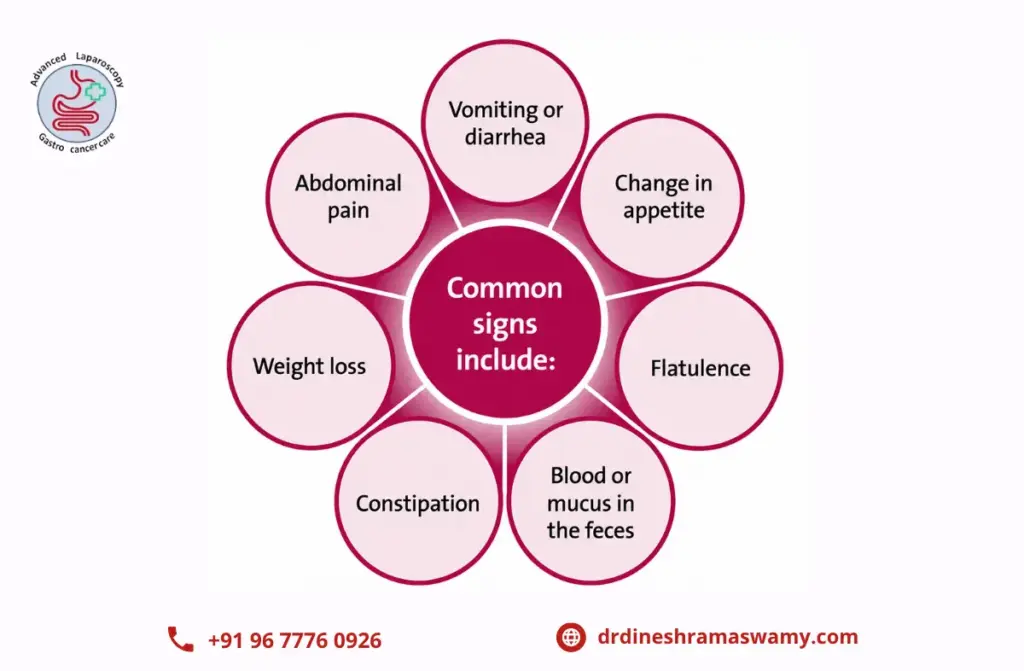
Common early signs of digestive problems include persistent bloating, frequent heartburn, abdominal pain, changes in bowel habits, nausea, loss of appetite and unexplained changes in weight.
Here are some symptoms worth paying attention to.
1. Persistent Bloating
Bloating is the feeling that your abdomen is unusually full, tight or swollen.
Occasional bloating after eating a large meal is common. It may also happen after eating certain foods or drinking carbonated beverages.
However, bloating may need further evaluation when it:
- Happens frequently
- Occurs after normal-sized meals
- Continues for a long time
- Becomes progressively worse
- Occurs with abdominal pain
- Is associated with constipation or diarrhoea
- Occurs with unexplained weight loss
Persistent bloating can have several possible causes, including constipation, food intolerance and disorders affecting how food moves through the digestive tract.
Instead of repeatedly avoiding different foods without knowing the cause, consider discussing persistent symptoms with a doctor.
2. Frequent Heartburn or Acid Reflux
Heartburn usually causes a burning sensation behind the breastbone. Some people may also experience an acidic or sour taste in the mouth.
Occasional reflux can occur after a large, spicy or fatty meal.
But frequent or persistent symptoms may indicate an underlying reflux problem.
Other symptoms that may occur include:
- Food or sour liquid coming back into the mouth
- Discomfort after meals
- Symptoms becoming worse when lying down
- Night-time coughing
- Throat irritation
- Difficulty swallowing
Eating smaller meals, maintaining a healthy weight and avoiding lying down soon after eating may help some people.
However, frequent reflux should not simply be managed with repeated self-medication, especially when symptoms continue despite lifestyle changes.
3. Changes in Bowel Habits
Your bowel pattern can provide useful information about your digestive health.
There is no single bowel frequency that is normal for everyone. What matters is whether there has been a significant change from your normal pattern.
Watch for changes such as:
- New or persistent constipation
- Frequent loose stools
- Repeated diarrhoea
- Difficulty passing stool
- Feeling that the bowel has not emptied completely
- Sudden urgency to pass stool
- Significant changes in stool appearance
Constipation may involve hard, dry or difficult-to-pass stools. Diarrhoea generally involves loose or watery stools occurring more often than normal.
Short-term changes can happen because of diet, infection, travel or medication. Persistent or unexplained changes deserve medical attention. Blood in the stool or black, tar-like stools require prompt evaluation.
4. Recurring Abdominal Pain
Abdominal pain is one of the most common gastrointestinal symptoms.
The pain may feel like:
- Cramping
- Burning
- Pressure
- Dull aching
- Sharp pain
- General abdominal discomfort
The location, duration and severity of the pain can help doctors identify possible causes.
For example, discomfort in the upper abdomen may be associated with the stomach, while certain types of right-sided upper abdominal pain may involve the gallbladder or liver. Lower abdominal discomfort may be associated with the bowel.
However, pain location alone cannot diagnose the cause.
Seek medical attention when abdominal pain:
- Keeps returning
- Becomes progressively worse
- Interferes with sleep or daily activities
- Occurs with fever
- Occurs with repeated vomiting
- Is accompanied by blood in the stool
- Is associated with unexplained weight loss
Sudden or severe abdominal pain needs urgent medical evaluation.
5. Frequent Nausea or Vomiting
Nausea is the uncomfortable feeling that you may vomit.
Temporary nausea can occur because of food poisoning, infection, motion sickness or certain medications.
Recurring nausea without an obvious reason may require further investigation.
It may occur along with:
- Upper abdominal discomfort
- Bloating
- Loss of appetite
- Early fullness
- Heartburn
- Vomiting
The timing of nausea can also provide useful information. For example, your doctor may ask whether symptoms occur after meals, during fasting or along with particular foods.
Repeated vomiting is more concerning because it can lead to dehydration and electrolyte problems.
Vomiting blood requires immediate medical attention.
6. Feeling Full Very Quickly
Getting full after eating much less than usual is called early satiety.
Everyone occasionally feels full after a small meal. But repeatedly being unable to finish normal portions can be a digestive symptom.
It may occur together with:
- Bloating
- Nausea
- Upper abdominal discomfort
- Reduced appetite
- Unintentional weight loss
Persistent early fullness should be assessed, particularly if your food intake has significantly decreased.
7. Unexplained Loss of Appetite
Appetite naturally changes depending on activity, stress, sleep and illness. A temporary reduction in appetite is usually not concerning. However, a persistent loss of appetite without an obvious explanation may occur alongside digestive illness.
Pay particular attention when reduced appetite occurs with:
- Nausea
- Abdominal pain
- Difficulty swallowing
- Persistent bloating
- Vomiting
- Unexplained weight loss
A prolonged reduction in food intake can also affect nutrition and energy levels.
8. Unexplained Weight Loss
Weight loss is considered unexplained when you lose weight without intentionally changing your diet or physical activity. This is an important warning sign when it occurs alongside digestive symptoms.
Possible accompanying symptoms include:
- Persistent diarrhoea
- Reduced appetite
- Difficulty swallowing
- Repeated vomiting
- Abdominal pain
- Persistent changes in bowel habits
Unintentional weight loss does not automatically mean a serious digestive disease is present. However, it should not be ignored because many different medical conditions can cause it.
9. Difficulty Swallowing
Difficulty swallowing is medically known as dysphagia.
You may feel that:
- Food gets stuck in your throat or chest
- Swallowing takes more effort than usual
- Solid foods are becoming difficult to swallow
- Swallowing causes discomfort or pain
Occasional difficulty caused by eating too quickly is different from symptoms that repeatedly occur.
Persistent or worsening difficulty swallowing needs medical evaluation.
10. Blood in the Stool or Black Stools
Blood in the stool is not a symptom to ignore.
Bright red blood may sometimes come from conditions near the anus or lower digestive tract. Dark or black, tar-like stools can be associated with bleeding higher in the gastrointestinal tract.
Because the source cannot always be determined from appearance alone, unexplained gastrointestinal bleeding should be medically evaluated. Seek prompt care if bleeding is heavy or occurs with dizziness, weakness, severe pain or fainting.
11. Ongoing Fatigue Along With Digestive Symptoms
Fatigue alone has many possible causes and is not specific to digestive disease. However, persistent tiredness occurring together with digestive symptoms can be worth investigating.
Certain digestive conditions can affect food intake, nutrient absorption or cause blood loss. Over time, these problems may contribute to nutritional deficiencies or anaemia.
Talk with your doctor if fatigue occurs together with persistent diarrhoea, unexplained weight loss, loss of appetite, pale skin, blood in the stool or other continuing gastrointestinal symptoms.
Digestive Warning Signs You Should Not Ignore
Some symptoms require more urgent medical attention.
Seek medical care promptly for:
- Severe or sudden abdominal pain
- Blood in vomit
- Black or bloody stools
- Repeated vomiting
- Difficulty or pain when swallowing
- Unexplained weight loss
- Persistent loss of appetite
- Yellowing of the skin or eyes
- Severe dehydration
- Abdominal swelling that does not settle
- Digestive symptoms accompanied by fainting or marked weakness
These symptoms do not always indicate a serious disease, but they should be properly assessed.
How Are Digestive Disorders Diagnosed?
There is no single test for every digestive disorder. Your doctor will usually begin by asking about your symptoms.
Important details include:
- When symptoms started
- How frequently they occur
- Foods that appear to trigger symptoms
- Bowel habits
- Recent weight changes
- Current medications
- Family medical history
- Previous digestive conditions
Depending on the symptoms, further investigations may include blood tests, stool tests or imaging.
Some patients may need an upper gastrointestinal endoscopy or colonoscopy. These procedures allow doctors to examine specific parts of the digestive tract more closely.
Not every patient with digestive symptoms needs these tests. Investigations are selected according to the individual’s symptoms and risk factors.
How Can You Support Better Digestive Health?
Healthy daily habits can support normal digestive function and may reduce common symptoms.
Eat Enough Fibre
- Vegetables, fruits, whole grains, pulses and legumes are useful sources of dietary fibre.
- Increase fibre gradually because suddenly eating much more fibre can temporarily increase gas and bloating.
Drink Enough Fluids
- Adequate fluid intake supports normal bowel function, especially when eating a fibre-rich diet.
- Fluid requirements vary according to your body, climate, activity level and medical conditions.
Eat Slowly
- Eating quickly can encourage overeating and swallowing excess air.
- Take time to chew your food and pay attention to portion sizes.
Stay Physically Active
- Regular physical activity supports overall health and may also help normal bowel movement.
- Even simple activities such as regular walking can be beneficial.
Identify Your Personal Triggers
- Spicy food, high-fat meals, caffeine, alcohol and certain other foods can trigger symptoms in some people.
- Your triggers may be completely different from another person’s.
- Keeping a short food-and-symptom diary can help identify patterns.
Avoid Lying Down Immediately After Eating
- If you experience reflux, avoid going to bed immediately after a meal.
- Leaving time between dinner and bedtime may help reduce night-time symptoms.
Avoid Unnecessary Self-Medication
- Repeatedly taking antacids, laxatives or other digestive medicines without understanding why symptoms continue may hide an underlying problem.
- Persistent symptoms deserve proper evaluation.
Can Stress Affect Digestion?
Yes. The digestive tract and brain communicate through what is often called the gut-brain axis. Stress can influence gut movement, appetite and how strongly digestive sensations are felt.
Some people notice increased bloating, abdominal discomfort, diarrhoea or constipation during periods of emotional stress. However, persistent digestive symptoms should not automatically be blamed on stress.
A medical assessment may still be appropriate when symptoms are new, severe, persistent or associated with warning signs.
Why Early Evaluation Matters
Many digestive symptoms have simple and treatable causes. The challenge is that different digestive conditions can produce very similar symptoms.
For example, bloating can occur with constipation, food intolerance or several gastrointestinal disorders. Abdominal discomfort can also have many possible causes. Early evaluation helps determine the actual reason for persistent symptoms and prevents unnecessary self-treatment.
Conclusion
Digestive symptoms such as bloating, heartburn, abdominal pain, nausea, or changes in bowel habits are common and may sometimes be temporary. However, when these symptoms keep returning, become worse, or start affecting your appetite, weight, sleep, or daily activities, they should not be ignored.
Recognising the early signs of digestive disorders can help you understand when your body may need medical attention. Warning signs such as unexplained weight loss, difficulty swallowing, persistent vomiting, blood in the stool, black stools, or severe abdominal pain require timely evaluation.
Early diagnosis can help identify the underlying cause, guide the right treatment, and prevent digestive problems from becoming more serious. If your symptoms persist or concern you, consult a qualified gastroenterologist for proper evaluation and personalised advice.
Read more: IBS நோயாளிகளுக்கான உணவுமுறை