“Your liver works silently every moment of the day, asking for very little in return. Nourishing it with wholesome foods is one of the simplest investments you can make in your lifelong health.”
Your liver works tirelessly every single day, quietly carrying out hundreds of essential functions that keep your body healthy. From filtering harmful substances and processing nutrients to supporting digestion, metabolism, and immunity, it plays a vital role in your overall well-being.
However, unhealthy eating habits, excess sugar, alcohol, obesity, and a sedentary lifestyle can gradually affect liver function and increase the risk of conditions such as fatty liver disease. The good news is that small, consistent dietary changes can make a significant difference.
While no food can instantly “detox” the liver, a balanced diet rich in vegetables, fruits, whole grains, healthy fats, and lean proteins provides the nutrients needed to protect liver cells, reduce inflammation, and support its natural functions.
In this guide, we’ll explore the Best Foods For Liver Health, why they work, and simple ways to include them in your everyday meals.
Why Your Liver Deserves More Attention
Many people associate good health with a strong heart or healthy lungs, but the liver is equally vital. As the body’s largest internal organ, it acts as a sophisticated processing center, carrying out hundreds of life-sustaining functions every day.
One of the liver’s most remarkable qualities is its ability to regenerate. Even after injury, healthy liver tissue can repair itself to a remarkable extent. However, this ability has limits. Years of unhealthy habits can gradually overwhelm its regenerative capacity, increasing the risk of long-term liver damage.
Some of the liver’s most important responsibilities include:
- Filtering Harmful Substances: Everything you eat, drink, or absorb eventually passes through the liver. It breaks down toxins, alcohol, medications, and other potentially harmful substances before they circulate throughout the body, helping protect your organs and maintain overall health.
- Supporting Healthy Digestion: The liver produces bile, an essential digestive fluid that helps break down dietary fats and enables the absorption of fat-soluble vitamins such as A, D, E, and K. Without healthy bile production, your body would struggle to absorb many nutrients needed for normal growth, immunity, and bone health.
- Regulating Energy and Metabolism: The liver stores excess glucose as glycogen and releases it when your body requires energy. It also plays a central role in metabolizing carbohydrates, proteins, and fats, ensuring your body receives a steady supply of nutrients throughout the day.
- Producing Essential Proteins: Several proteins necessary for blood clotting, immune defense, and fluid balance are produced in the liver. Healthy liver function therefore supports healing, circulation, and countless other physiological processes.
- Storing Vitamins and Minerals: The liver acts as the body’s nutrient reserve by storing vitamins, iron, and other essential minerals until they are needed elsewhere.
A nutrient-rich eating pattern is one of the simplest ways to maintain liver function. Choosing foods that support liver health regularly can help provide antioxidants, fiber, and essential nutrients that protect liver cells and promote overall wellness. Following a Best diet for liver health approach can also help reduce the risk of liver-related problems and support long-term metabolic balance.
What Makes a Food Good for Liver Health?
The internet is filled with advertisements promoting liver cleanses and detox drinks. While these products often promise quick results, scientific evidence tells a different story. Your liver already has an incredibly efficient detoxification system. Rather than “cleansing” the liver, the goal of nutrition is to provide the nutrients that help it perform its natural functions efficiently.
Foods that support liver health typically share several important characteristics:
- Rich in Antioxidants: Antioxidants help neutralize free radicals—unstable molecules that can damage liver cells over time. A diet rich in colorful fruits and vegetables helps protect liver tissue from oxidative stress.
- High in Dietary Fiber: Fiber promotes healthy digestion, supports beneficial gut bacteria, regulates blood sugar, and may help reduce excess fat accumulation in the liver.
- Packed with Essential Vitamins and Minerals: Nutrients such as vitamins C and E, folate, magnesium, selenium, and zinc contribute to cellular repair, enzyme activity, and overall metabolic balance.
- Contain Healthy Fats: Monounsaturated fats and omega-3 fatty acids support healthy cholesterol levels, reduce inflammation, and improve the way the liver processes fat.
- Naturally Low in Added Sugar and Unhealthy Fats: Reducing refined sugars, sugary beverages, and saturated fats lowers the risk of fatty liver disease and supports healthy metabolism.
Expert Insight
Instead of relying on a single “superfood,” healthcare experts consistently recommend following an overall healthy dietary pattern. Eating a wide variety of vegetables, fruits, whole grains, legumes, lean proteins, nuts, seeds, and healthy fats provides the broad range of nutrients your liver needs to function at its best.
Top 10 Best Foods for Liver Health
Leafy Green Vegetables: Nature’s Daily Liver Protectors
- When it comes to supporting liver health, few foods are as consistently recommended as leafy green vegetables. Spinach, kale, mustard greens, fenugreek leaves, amaranth, and other greens are nutritional powerhouses packed with chlorophyll, vitamins, minerals, fiber, and disease-fighting antioxidants.
- These vegetables help protect liver cells from everyday wear and tear while supporting healthy metabolic function. Research also suggests that people who regularly consume leafy greens may have a lower risk of developing fatty liver disease, making them an excellent addition to everyday meals.
Easy Ways to Enjoy Them
- Blend spinach into smoothies, prepare sautéed greens as a side dish, add kale to soups, or include fresh leafy vegetables in salads several times a week.
Healthy Habit Reminder
- No single serving of vegetables can transform liver health overnight. The greatest benefits come from eating a variety of colorful vegetables consistently as part of your daily diet.
Fatty Fish: Healthy Fats That Help Your Liver Thrive
- Not all fats are harmful. In fact, healthy fats are essential for normal liver function. Fatty fish such as salmon, sardines, mackerel, and trout are among the richest natural sources of omega-3 fatty acids—nutrients known for their anti-inflammatory properties.
- Current evidence indicates that omega-3 fatty acids help improve fat metabolism, reduce inflammation, and support healthier liver enzyme levels. These benefits are particularly valuable for people with non-alcoholic fatty liver disease or those at increased metabolic risk.
Serving Tip
- Aim to include fatty fish in your meals two to three times per week. Baking, grilling, or steaming preserves nutrients while avoiding unnecessary unhealthy fats from deep frying.
Coffee: A Surprisingly Powerful Liver-Friendly Beverage
- Coffee often surprises people by appearing on lists of foods that support liver health. However, it is one of the most extensively researched beverages in liver medicine.
- Numerous clinical studies have shown that moderate coffee consumption is associated with healthier liver enzyme levels and a lower risk of liver fibrosis, cirrhosis, and certain chronic liver diseases. Researchers believe these protective effects are linked to coffee’s rich supply of antioxidants and naturally occurring bioactive compounds.
A Simple Rule
- The benefits are greatest when coffee is consumed with little or no added sugar, flavored syrups, or heavy cream. For many healthy adults, two to three cups of plain coffee each day can be part of a balanced diet unless otherwise advised by a healthcare professional.
Garlic: Small Ingredient, Remarkable Benefits
- Garlic has been used in traditional diets for centuries, and modern research continues to support many of its health benefits. Although it may seem like a simple kitchen ingredient, garlic contains sulfur-containing compounds and antioxidants that support the liver’s natural detoxification enzymes.
- These compounds help the liver process waste products more efficiently while also supporting healthy cholesterol levels and reducing oxidative stress.
Kitchen Tip
- Fresh garlic provides the greatest nutritional value. Add it to soups, curries, lentil dishes, vegetable stir-fries, or homemade sauces for both flavor and health benefits.
Berries: Colorful Fruits Rich in Protective Antioxidants
- Brightly colored berries—including blueberries, strawberries, raspberries, and blackberries—offer much more than natural sweetness. Their vibrant colors come from anthocyanins, powerful antioxidants that help protect cells throughout the body, including those in the liver.
- Since the liver constantly processes nutrients and metabolic by-products, it benefits from foods that help reduce oxidative stress and support cellular repair. Berries also provide fiber, which promotes healthy digestion, improves blood sugar control, and contributes to maintaining a healthy weight.
Delicious Ways to Enjoy Berries
- Add fresh berries to oatmeal, yogurt, smoothies, or salads, or enjoy them as a naturally sweet snack between meals. Frozen berries are equally nutritious and make an excellent year-round option.
Nuts: Nutrient-Dense Snacks That Support Liver Function
- Healthy snacking can play an important role in protecting your liver, and nuts are one of the smartest choices. Walnuts, almonds, pistachios, and other unsalted nuts provide a combination of healthy fats, plant protein, fiber, vitamin E, and antioxidants that support overall metabolic health.
- Among them, walnuts stand out because they naturally contain omega-3 fatty acids, while almonds are particularly rich in vitamin E, a powerful antioxidant that helps protect liver cells from oxidative damage.
Portion Tip
- Nuts are nutritious but calorie-dense. A small handful (about 25–30 grams) each day is generally enough to enjoy their health benefits.
Whole Grains: Steady Energy for a Healthier Liver
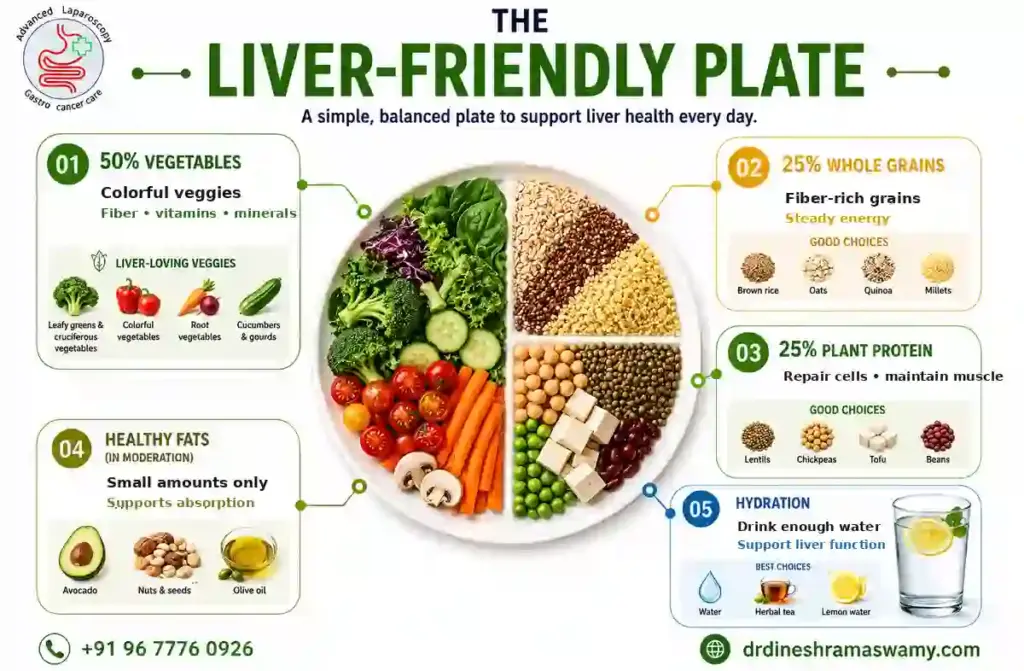
- Replacing refined grains with whole grains is one of the simplest dietary changes you can make for better liver health. Oats, brown rice, quinoa, barley, whole wheat, and millets retain their natural fiber, vitamins, and minerals, making them far more nutritious than refined alternatives.
- Unlike refined carbohydrates, whole grains release energy gradually, helping maintain stable blood sugar levels and reducing the liver’s workload in managing glucose metabolism.
Simple Swap
- Instead of white rice or refined flour products, choose brown rice, whole wheat chapatis, oats, or millets whenever possible.
Did You Know?
The Mediterranean-style diet, which emphasizes vegetables, fruits, whole grains, legumes, olive oil, nuts, and lean proteins, is consistently associated with better liver health. Rather than relying on a single “superfood,” this balanced eating pattern provides a wide range of nutrients that help protect liver cells and support healthy metabolism.
Olive Oil: A Healthier Choice for Everyday Cooking
- Not all cooking oils affect your health in the same way. Extra virgin olive oil is rich in monounsaturated fats and naturally occurring antioxidants that support healthy cholesterol levels and improve the body’s ability to metabolize fats efficiently.
- Studies suggest that moderate olive oil consumption, particularly as part of a balanced diet, may help improve liver enzyme levels and reduce excess fat accumulation within the liver.
Easy Ways to Use It
- Drizzle olive oil over salads, roasted vegetables, whole-grain dishes, or use it for light sautéing.
Cruciferous Vegetables: Natural Support for the Liver’s Defense System
- Broccoli, cauliflower, cabbage, Brussels sprouts, and similar vegetables belong to the cruciferous family. They are rich in fiber, vitamins, antioxidants, and natural plant compounds that help support the liver’s detoxification enzymes.
- These vegetables also contribute to digestive health, allowing waste products to be eliminated more efficiently while reducing oxidative stress within the body.
Cooking Tip
- Light steaming preserves many nutrients while improving digestibility and maintaining their natural flavor.
Citrus Fruits: Refreshing Sources of Vitamin C
- Oranges, lemons, sweet limes, and grapefruit are excellent additions to a liver-friendly diet. Rich in vitamin C, antioxidants, and water, these fruits help support immune health while protecting cells from oxidative stress.
- Although citrus fruits do not “detox” the liver, they contribute valuable nutrients that support its normal functions as part of an overall healthy diet.
Healthy Choice
- Choose whole fruits instead of packaged fruit juices to maximize fiber and avoid unnecessary added sugars.
Key Takeaway
No individual food can guarantee a healthy liver. The greatest benefits come from eating a balanced, colorful diet that combines vegetables, fruits, whole grains, lean proteins, legumes, healthy fats, and plenty of water. Including foods good for liver health as part of your daily meals can provide essential nutrients that support liver function and overall wellness. Consistency matters far more than perfection.
Best Drinks That Support Liver Health
Your beverage choices are just as important as the foods you eat. Choosing drinks that hydrate your body and provide beneficial nutrients can help support healthy liver function.
| Drink | How It Supports Liver Health |
| Water | Keeps the body hydrated and supports normal metabolic processes. |
| Coffee | Rich in antioxidants and associated with healthier liver enzyme levels when consumed in moderation. |
| Green Tea | Contains natural catechins that may help reduce oxidative stress. |
| Fresh Vegetable Juice | Provides vitamins and antioxidants when prepared without added sugar. |
| Unsweetened Herbal Teas | Promote hydration while supplying naturally occurring plant compounds. |
Healthy Habit: Water should remain your primary beverage throughout the day, while sugary drinks and excessive alcohol are best avoided.
Foods That Can Harm Your Liver
Just as nutritious foods support liver health, certain dietary habits can gradually increase the risk of liver disease when practiced regularly.
- Highly Processed Foods: Packaged snacks, processed meats, fast foods, and instant meals are often rich in sodium, unhealthy fats, preservatives, and refined carbohydrates. Frequent consumption may contribute to obesity, insulin resistance, and fatty liver disease.
- Sugary Foods and Sweetened Beverages: Soft drinks, desserts, candies, sweetened breakfast cereals, and packaged fruit drinks contain large amounts of added sugar. Excess sugar is converted into fat by the liver, increasing the likelihood of fat accumulation over time.
- Deep-Fried Foods: Regularly eating fried foods increases calorie and unhealthy fat intake, making weight management more difficult and placing additional strain on the liver.
- Excess Alcohol: Alcohol is processed primarily by the liver. Heavy or long-term alcohol consumption can overwhelm this process, increasing the risk of fatty liver, alcoholic hepatitis, fibrosis, cirrhosis, and liver failure.
Remember: Liver health isn’t about eliminating every indulgence. It’s about making healthier choices consistently while enjoying treats in moderation.
Best diet for liver health
| Meal | Healthy Choice |
| Breakfast | Oatmeal topped with blueberries, almonds, and sliced banana with a cup of green tea. |
| Mid-Morning Snack | An apple or orange with a handful of walnuts. |
| Lunch | Brown rice, grilled salmon or lentils, sautéed spinach, and a mixed vegetable salad. |
| Evening Snack | Roasted chickpeas or unsalted mixed nuts. |
| Dinner | Vegetable soup with grilled chicken, tofu, or beans served alongside steamed broccoli and quinoa. |
| Hydration | Drink water consistently throughout the day. |
This balanced meal plan provides lean protein, healthy fats, fiber, antioxidants, and whole grains—all of which contribute to better liver and overall health.
Everyday Habits That Protect Your Liver
Healthy eating delivers the best results when combined with positive lifestyle habits.
- Maintain a Healthy Weight: Being overweight is one of the leading risk factors for non-alcoholic fatty liver disease. Even modest weight loss can significantly reduce liver fat and improve liver function.
- Stay Physically Active: Aim for at least 150 minutes of moderate exercise each week. Activities such as brisk walking, cycling, swimming, yoga, or strength training improve metabolism and reduce excess liver fat.
- Stay Hydrated: Adequate hydration supports circulation, digestion, and normal metabolic processes, allowing the liver to perform its daily functions efficiently.
- Use Medications Responsibly: Always follow your healthcare provider’s advice regarding medications. Avoid taking more than the recommended dose, and discuss supplements with your doctor, as some herbal products may affect liver health.
- Schedule Regular Health Check-Ups: Routine health screenings help detect liver problems before symptoms appear. Individuals with obesity, diabetes, high cholesterol, or a family history of liver disease may benefit from regular liver evaluations.
Common Myths About Liver Health
| Myth | Fact |
| Detox drinks cleanse the liver overnight. | Your liver naturally detoxifies the body. No drink can instantly cleanse it. |
| Only alcohol damages the liver. | Poor diet, obesity, diabetes, certain medications, and viral infections can also affect liver health. |
| Liver disease always causes symptoms. | Many liver conditions remain silent until significant damage has occurred. |
| Healthy people don’t need to worry about liver health. | Healthy eating and regular exercise help protect the liver at every stage of life. |
When Should You See a Doctor?
Many liver conditions develop gradually and may not cause noticeable symptoms during the early stages. Seek medical advice if you experience:
- Persistent fatigue or weakness
- Yellowing of the skin or eyes (jaundice)
- Dark-colored urine
- Pale stools
- Persistent nausea or vomiting
- Unexplained weight loss
- Ongoing abdominal pain or swelling
- Loss of appetite
- Easy bruising or bleeding
Early diagnosis allows timely treatment and helps prevent long-term complications.
Final Thoughts
Your liver works tirelessly every day, performing hundreds of essential tasks that keep your body functioning smoothly. Although it has an impressive ability to repair itself, it relies on your daily choices to remain healthy over the long term.
There is no miracle food, detox drink, or quick-fix diet that can instantly transform liver health. Instead, lasting protection comes from consistently choosing wholesome, nutrient-rich foods, maintaining an active lifestyle, staying hydrated, limiting processed foods and alcohol, and seeking regular medical care when needed.
Small changes often create the biggest impact. Swapping refined grains for whole grains, filling half your plate with colorful vegetables, choosing fresh fruits instead of sugary snacks, enjoying healthy fats like olive oil and nuts, and including fatty fish in your weekly meals are all practical steps that can support your liver for years to come.
Ultimately, caring for your liver isn’t about following restrictive diets or chasing temporary trends—it’s about building sustainable habits that nourish your entire body. By making thoughtful food choices every day, you’re not only protecting one of your most remarkable organs but also investing in a healthier, more energetic future.
Read more: Best Gastroenterologist in Vadapalani