Chennai Laparoscopy

Dr. Dinesh Ramaswamy

Stapled Haemorrhoidectomy

Patients seeking advanced hemorrhoid treatment can benefit from stapled haemorrhoidectomy, ensuring minimal discomfort, faster healing, and experienced surgical care.
Stapled Haemorrhoidectomy

Stapled Haemorrhoidectomy is an advanced surgical procedure designed to treat symptomatic hemorrhoids with significantly less pain and faster recovery compared to conventional methods. It works by repositioning prolapsed hemorrhoidal tissue back to its normal position and reducing blood flow to the enlarged hemorrhoids, causing them to shrink naturally. Stapled Haemorrhoidectomy is especially effective for advanced internal hemorrhoids that cause bleeding, prolapse, and discomfort. When performed by an experienced surgeon using proper technique, Stapled Haemorrhoidectomy delivers excellent long-term results, minimal postoperative pain, and a rapid return to normal daily activities.

What is Stapled Haemorrhoidectomy

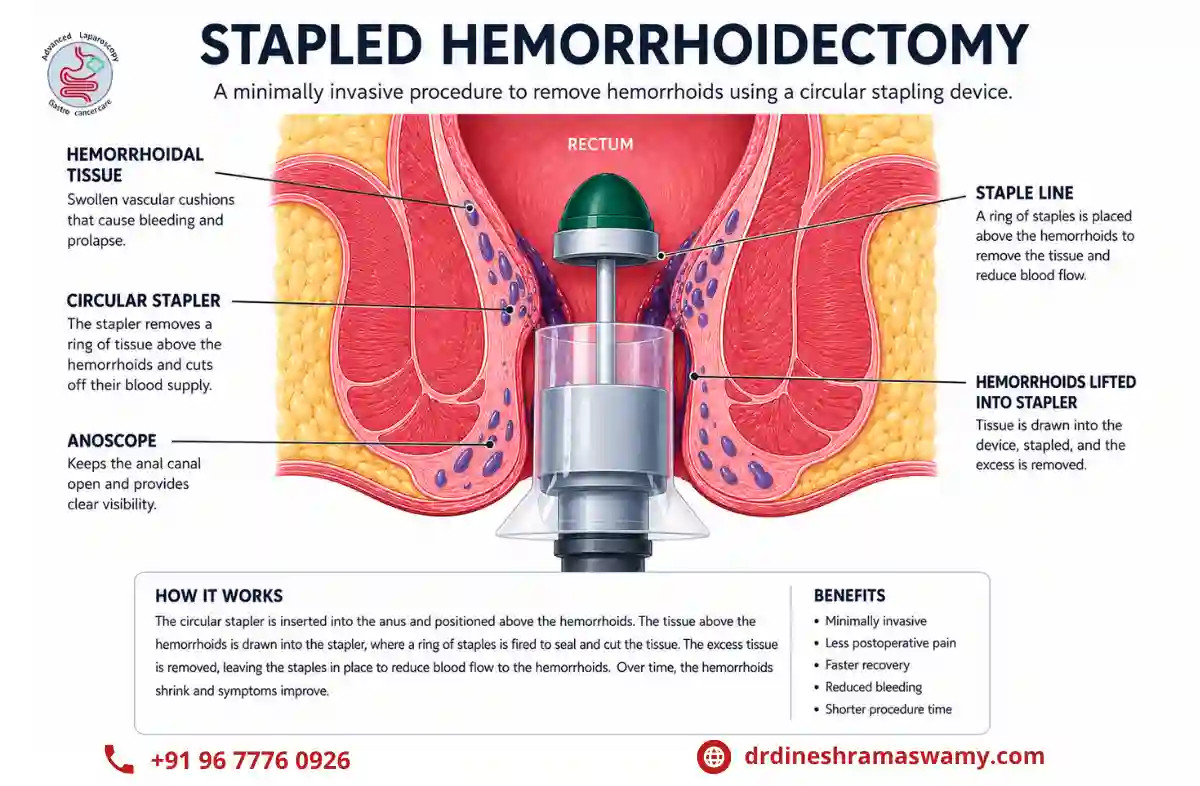
Stapled Haemorrhoidectomy is a minimally invasive surgical procedure used to treat advanced internal hemorrhoids, especially prolapsed hemorrhoids. Instead of removing the hemorrhoids directly, the procedure uses a specialized circular stapling device to reposition the swollen hemorrhoidal tissue back to its normal position inside the rectum.

The surgery also reduces excess blood supply to the hemorrhoids, causing them to shrink over time. Because the procedure is performed higher inside the rectum where there are fewer pain-sensitive nerves, patients generally experience less postoperative pain compared to conventional hemorrhoid surgery. This treatment is often preferred for individuals who experience recurring symptoms despite dietary changes, medications, and other conservative treatments.

Symptoms That May Require Surgical Treatment

Hemorrhoids do not always require surgery. Mild cases may improve with fiber-rich foods, hydration, lifestyle changes, and medications. However, certain symptoms suggest that medical or surgical treatment may be necessary.
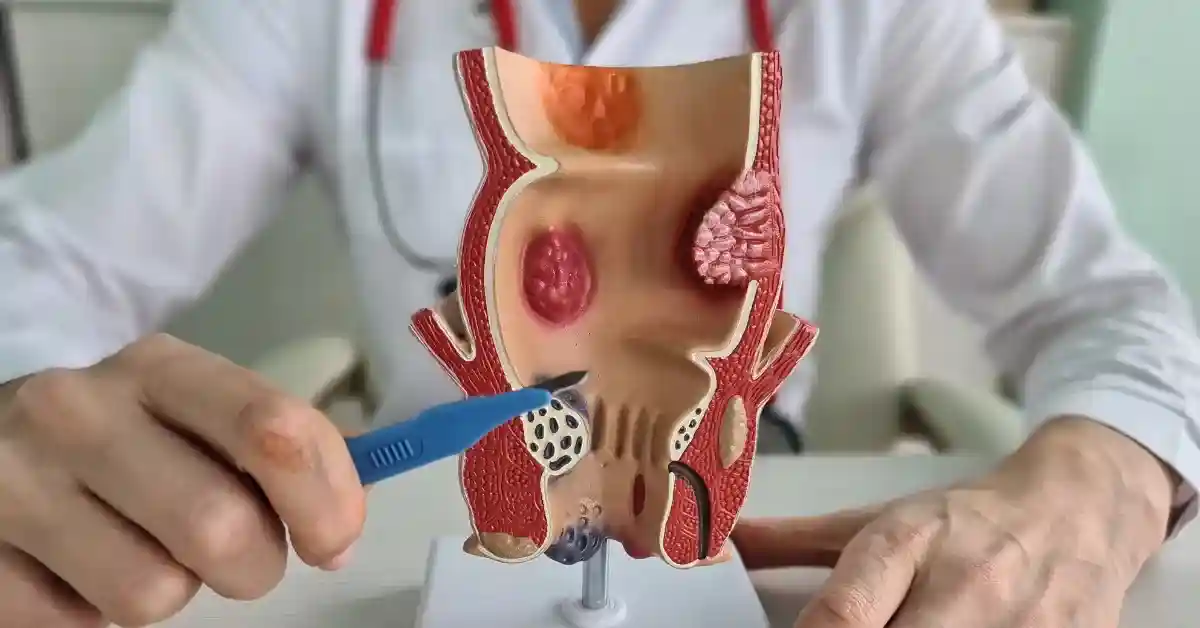
  • Persistent Rectal Bleeding: Frequent rectal bleeding during bowel movements should not be ignored, as it may indicate advanced hemorrhoids requiring medical attention. Continuous blood loss can also lead to weakness and discomfort over time.
  • Pain During Bowel Movements: Advanced hemorrhoids can cause sharp pain and burning sensations while passing stools. This discomfort often leads to straining and worsening constipation.
  • Itching and Irritation: Constant itching and irritation around the anal area can interfere with daily comfort and routine activities. Swelling and mucus discharge may further increase discomfort.
  • Prolapse or Swelling: In severe cases, hemorrhoids may protrude outside the anus during bowel movements, causing pain and hygiene difficulties. Persistent swelling can affect overall quality of life.
  • Difficulty Sitting Comfortably: Prolonged sitting may become painful for individuals with advanced hemorrhoids due to pressure and inflammation. This can impact work, travel, and other daily activities.

Stapled Haemorrhoidectomy

When is Stapled Haemorrhoidectomy Recommended?

Stapled Haemorrhoidectomy is usually recommended for patients with severe or long-standing hemorrhoids that do not improve with medications or lifestyle changes. This advanced surgical procedure is commonly advised when symptoms begin affecting daily comfort, bowel movements, and overall quality of life. It offers a minimally invasive approach with reduced pain and faster recovery compared to traditional surgery.

  • Patients with Grade 3 and Grade 4 Hemorrhoids: Grade 3 hemorrhoids protrude during bowel movements and often require manual repositioning, while Grade 4 hemorrhoids remain permanently prolapsed. These advanced stages usually require surgical treatment for effective long-term relief.
  • Recurrent Hemorrhoids: Some patients continue to experience repeated hemorrhoid flare-ups despite using medications, creams, and dietary modifications. Surgery may help provide more lasting symptom control and improve daily comfort.
  • Severe Prolapse: When hemorrhoids protrude excessively and interfere with hygiene, sitting, or regular activities, Stapled Haemorrhoidectomy may become necessary. The procedure helps restore normal function and reduce discomfort.
  • Cases Not Responding to Conservative Treatment: Lifestyle changes and non-surgical treatments may not always provide relief in advanced cases. If symptoms persist despite proper management, surgical intervention is often recommended for better outcomes.
  • Stapled Haemorrhoidectomy has become a preferred treatment option for many patients because of its quicker recovery and lower postoperative discomfort. Early consultation with a specialist can help determine the most suitable treatment approach and prevent complications associated with advanced hemorrhoids.

Benefits of Stapled Haemorrhoidectomy

Modern surgical techniques focus not only on treatment effectiveness but also on patient comfort and faster recovery.

  • Less Postoperative Pain: One of the biggest advantages of this procedure is reduced pain after surgery. Since the stapling is performed in an area with fewer pain-sensitive nerves, discomfort is often significantly lower compared to traditional hemorrhoid surgery.
  • Shorter Hospital Stay: Most patients can return home within a short period after the procedure. In many cases, hospitalization may only be required for a day.
  • Faster Return to Daily Activities: People with busy work schedules often prefer treatments that allow quicker recovery. Many patients resume light activities sooner compared to conventional surgery.
  • Minimal Tissue Damage: Unlike traditional excisional procedures, stapled surgery involves less cutting of sensitive external tissue.
  • Reduced Bleeding: Because the blood supply to hemorrhoidal tissue is reduced during the procedure, bleeding is generally minimized.

Patients considering Stapled Haemorrhoidectomy in Vadapalani often choose this procedure for its balance of effectiveness, recovery comfort, and reduced downtime.

Risks and Possible Complications

Although the procedure is generally considered safe, every surgery carries certain risks. Understanding these possibilities helps patients prepare realistically.

  • Mild Bleeding After Surgery: Small amounts of bleeding may occur during the recovery period. This usually improves gradually with healing.
  • Temporary Pain and Discomfort: Even though postoperative pain is often less severe, mild discomfort, pressure, or soreness may still occur for a few days.
  • Risk of Infection: Any surgical procedure carries a small infection risk. Proper hygiene and following medical advice reduce complications significantly.
  • Recurrence of Hemorrhoids: Although surgery provides long-term relief for many patients, hemorrhoids may return if constipation, straining, poor diet, and sedentary habits continue.
  • Difficulty During Bowel Movements: Some patients temporarily experience fear or discomfort during bowel movements after surgery. Maintaining soft stools through hydration and fiber intake helps ease recovery.
  • Rare Surgical Complications: Rare complications may include urinary difficulty, narrowing of the anal canal, or deeper tissue injury. These complications are uncommon when the procedure is performed by experienced colorectal surgeons.

Preparation Before Stapled Haemorrhoidectomy

Proper preparation before Stapled Haemorrhoidectomy helps ensure a safer procedure and smoother recovery. Following the doctor’s instructions carefully can reduce complications, improve healing, and make the surgical experience more comfortable for patients.

  • Medical Evaluation Before Surgery: Doctors usually assess the patient’s medical history, symptoms, and overall health before surgery. Additional tests may be recommended to ensure the patient is fit for the procedure.
  • Discussing Current Medications with the Doctor: Patients should inform the doctor about all medications and supplements they are taking. Certain medicines, especially blood thinners, may need temporary adjustment before surgery.
  • Dietary and Bowel Preparation Guidelines: Doctors may advise avoiding heavy meals and following specific dietary instructions before the procedure. In some cases, bowel preparation may be required to clear the rectal area.
  • Fasting Instructions Before the Procedure: Patients are generally advised not to eat or drink for several hours before surgery. Proper fasting is important for safe anesthesia administration during the procedure.
  • Maintaining Proper Hydration: Staying well-hydrated before surgery supports smoother recovery and helps prevent constipation after the procedure. Adequate fluid intake also supports overall healing.
  • Arranging Post-Surgery Support and Recovery Care: Patients should arrange transportation and assistance at home during the initial recovery period. Support with meals and daily activities can help reduce strain and promote comfortable healing.

Careful preparation before Stapled Haemorrhoidectomy can significantly improve recovery and reduce postoperative discomfort. Consulting an experienced specialist and following all preoperative guidelines helps ensure better surgical outcomes and faster healing.

Recovery after Stapled Haemorrhoidectomy

Recovery after Stapled Haemorrhoidectomy is usually faster and more comfortable compared to traditional hemorrhoid surgery. Most patients gradually notice reduced pain, improved bowel movements, and relief from hemorrhoid symptoms within a short period. Following proper postoperative care and medical advice plays an important role in ensuring smooth healing and preventing complications.

  • Immediate Recovery After Surgery: Patients are monitored briefly after surgery, and mild soreness or pressure may occur during the initial recovery period.
  • Managing Pain and Discomfort: Pain relief medications, stool softeners, and warm sitz baths are commonly recommended to improve comfort and support healing.
  • Diet and Hydration During Recovery: Fiber-rich foods and adequate water intake help prevent constipation and reduce strain during bowel movements.
  • Returning to Daily Activities: Most patients can gradually resume normal activities within a few days, while heavy lifting should be avoided initially.
  • Tips for Faster Healing: Healthy eating, proper hydration, regular walking, and avoiding excessive straining can support quicker recovery.
  • Follow-Up Care and Medical Monitoring: Regular follow-up visits help monitor healing and allow early management of any postoperative concerns.

Proper recovery care after Stapled Haemorrhoidectomy helps improve comfort, reduce complications, and promote long-term relief from hemorrhoid symptoms. Patients should follow all medical instructions carefully and seek medical attention if they experience severe pain, heavy bleeding, or unusual symptoms during recovery

Conclusion

Stapled Haemorrhoidectomy offers a modern, patient-friendly solution for advanced hemorrhoids by addressing prolapse and blood flow with minimal tissue trauma. Compared to conventional surgery, it provides less pain, quicker recovery, and faster return to normal life. Outcomes depend on correct diagnosis, proper technique, and postoperative care. Choosing an experienced surgeon significantly improves safety and long-term success. When performed correctly, Stapled Haemorrhoidectomy restores comfort, confidence, and everyday quality of life without prolonged downtime.

Read more: Abdominoperineal Resection

Frequently Asked Questions

Common questions about Stapled Haemorrhoidectomy and our services

Pain is significantly less compared to traditional hemorrhoid surgery because there are no external wounds. Most patients experience mild discomfort that is easily managed with medication.

Most patients return to routine activities within 3–7 days. Walking and light work can be resumed early, depending on comfort.

Stapled Haemorrhoidectomy has a high success rate, especially when combined with good bowel habits, high-fiber diet, and proper hydration to prevent recurrence.

Explore Our Latest Vlogs

Stay updated with expert insights, latest trends, and helpful articles.

Related Blogs

No data was found

Need Medical Assistance? Book an Appointment Now!

Take the first step toward better digestive health. Book an appointment with our laparoscopy and gastroenterology team to receive expert care, clear guidance, and advanced minimally invasive solutions tailored to your needs.