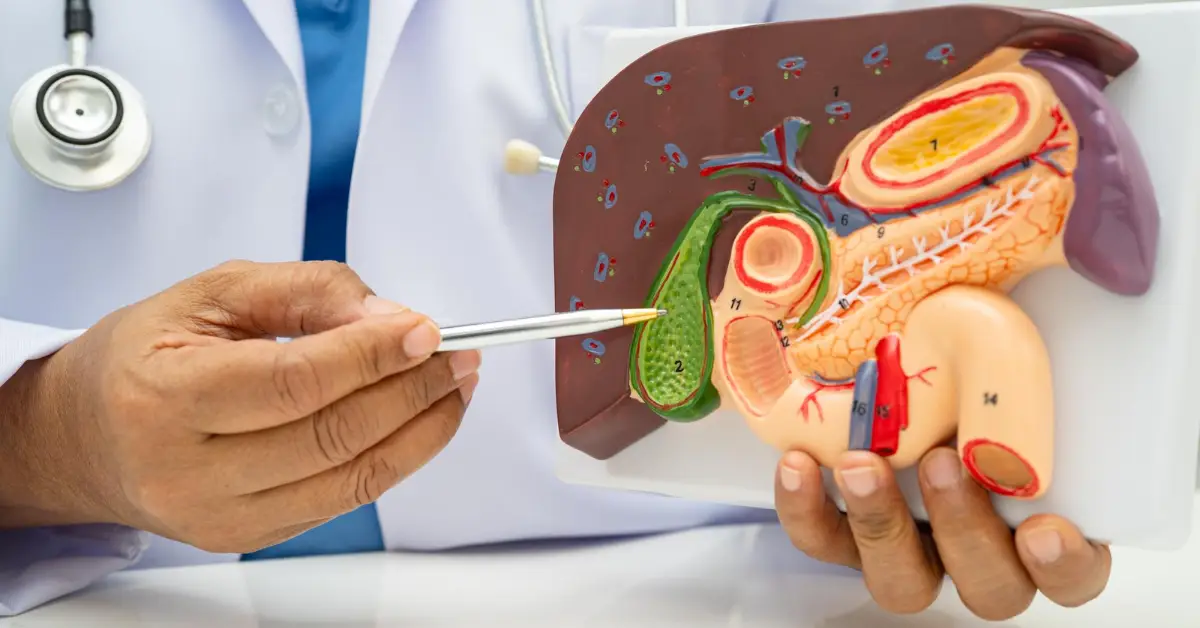
Pancreatic Surgery in chennai is one of the most complex areas of gastrointestinal surgery, demanding precision, experience, and zero room for guesswork. The pancreas sits deep in the abdomen, closely connected to major blood vessels and vital organs, which makes surgical management highly technical. From inflammatory conditions to life-threatening cancers, timely intervention can be the difference between recovery and complications. Pancreatic Surgery in chennai today is driven by evidence-based protocols, advanced imaging, and refined surgical techniques that prioritize safety, faster recovery, and long-term outcomes. Choosing the right surgeon is not optional—it’s critical. Pancreatic Surgery in chennai should always be handled by a specialist with deep expertise in hepatobiliary and pancreatic procedures.
Pancreatic surgery refers to a group of procedures performed to treat diseases affecting the pancreas — a vital organ responsible for digestion and blood sugar regulation. These surgeries may involve removing a part of the pancreas, treating blockages, or addressing tumors. Unlike routine procedures, pancreatic surgery requires a high level of surgical expertise because of the pancreas’s location near major blood vessels and organs. Patients opting for Pancreatic Surgery in Chennai often benefit from advanced medical infrastructure and experienced surgical teams who handle complex cases with precision.
Common goals of surgery
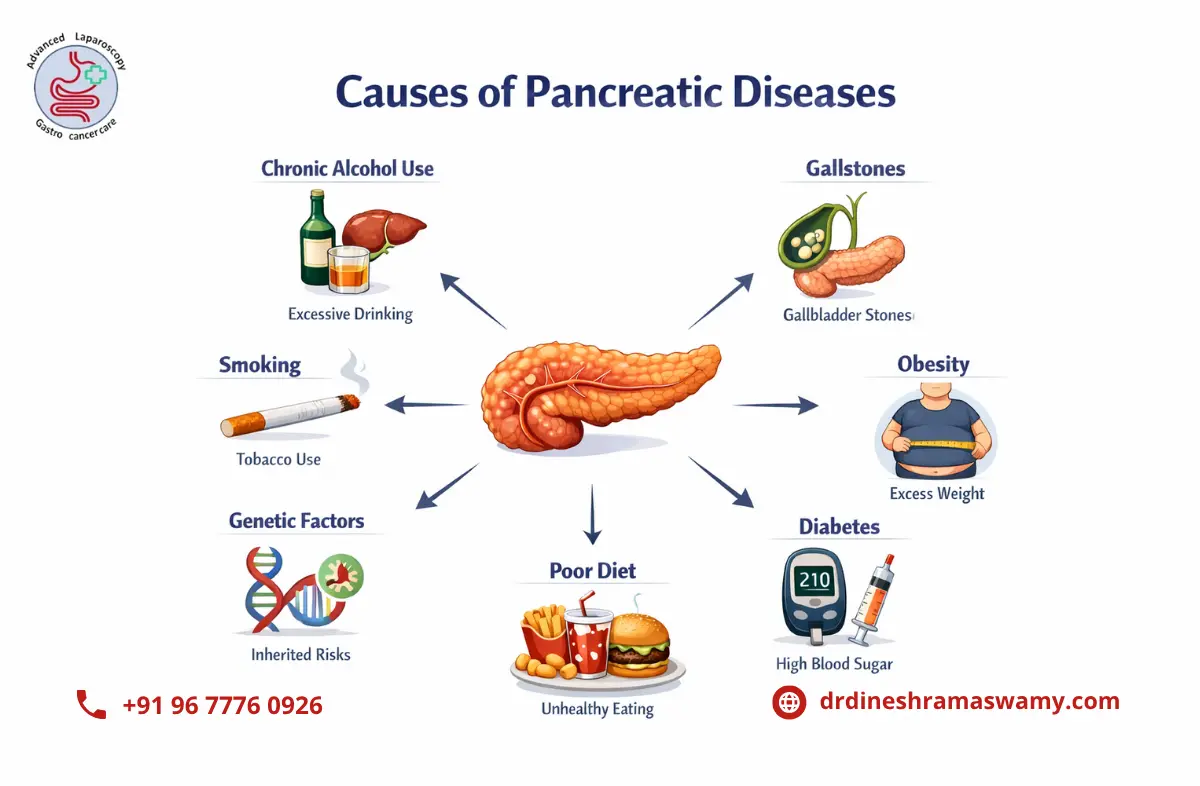
Acute pancreatitis is a sudden inflammation of the pancreas that can range from mild to life-threatening.
When surgery is needed
Surgical approach
Chronic pancreatitis causes long-term inflammation, scarring, and irreversible damage.
Indications for surgery
Benefits of surgery
The type of surgery depends on the condition, its location, and severity. Patients undergoing Pancreatic Surgery in Chennai have access to a wide range of advanced surgical techniques.
Pancreatic diseases often present subtle warning signs. Recognizing them early can make a significant difference.
Before recommending surgery, doctors perform a thorough evaluation. This typically includes imaging tests like CT scans or MRIs, blood tests, and sometimes biopsy procedures.
Doctors also assess the patient’s overall health to ensure they can safely undergo surgery. In many cases, a multidisciplinary team—including surgeons, gastroenterologists, and oncologists—works together to design the best treatment plan.
If you're considering Pancreatic Surgery in Chennai, choosing a center with comprehensive diagnostic facilities ensures accurate evaluation and better outcomes.
Recovery is a gradual process that varies depending on the type of surgery performed. Most patients stay in the hospital for several days to a couple of weeks.
Initially, nutrition may be provided through IV or feeding tubes before transitioning to a normal diet. Patients are encouraged to walk and move early to prevent complications.
At home, recovery continues with:
For many patients, the first few weeks can feel challenging. However, with proper care and support, most individuals regain strength and return to a normal routine. When guided by experienced specialists offering Treatment for pancreatic surgery, patients often experience smoother recovery and better long-term outcomes.
When it comes to pancreatic procedures, experience and precision make a significant difference. Dr. Dinesh Ramaswamy is known for his focused expertise in pancreatic and hepatobiliary surgery, handling complex cases with a balanced, evidence-based approach. His commitment to patient safety and long-term outcomes has made him a trusted choice for individuals considering Pancreatic Specialist in Chennai.
Pancreatic surgery is not a routine procedure—it demands deep anatomical knowledge, oncological insight, and the ability to manage complications effectively. Choosing the right surgeon can directly impact both recovery and overall outcomes.
Pancreatic Surgery in chennai is a high-stakes intervention that demands experience, precision, and multidisciplinary coordination. From acute inflammatory emergencies to chronic pain and cancer management, outcomes depend heavily on surgical judgment and technical expertise. With modern imaging, refined techniques, and structured recovery protocols, Pancreatic Surgery in chennai now offers safer procedures and better long-term results than ever before. Patients considering Pancreatic Surgery in chennai should prioritize specialist care, proven outcomes, and a surgeon who treats complexity as routine—not risk.
Pancreatic surgery is complex, but risk is significantly reduced when performed by an experienced specialist. Advances in imaging, anesthesia, surgical techniques, and post-operative care have improved safety and outcomes. Proper patient selection and structured recovery protocols play a major role in minimizing complications and ensuring long-term success.
Initial recovery usually takes 6–8 weeks. Hospital stay depends on the type of surgery and individual healing. Full recovery, including return to work and normal diet, may take a few months. Long-term follow-up ensures digestive enzymes and blood sugar levels remain well controlled.
Surgery does not reverse pancreatic damage, but it can significantly reduce pain, improve quality of life, and prevent further complications. In carefully selected patients, surgical intervention offers better long-term pain control compared to prolonged medical management alone.
Stay updated with expert insights, latest trends, and helpful articles.
Take the first step toward better digestive health. Book an appointment with our laparoscopy and gastroenterology team to receive expert care, clear guidance, and advanced minimally invasive solutions tailored to your needs.