Chennai Laparoscopy

Dr. Dinesh Ramaswamy

Inguinal Hernia Repair

Expert Inguinal Hernia Repair in Chennai with safe, minimally invasive techniques for faster recovery and lasting results.
Inguinal Hernia Repair in Chennai

Inguinal Hernia Repair in Chennai is one of the most commonly performed general surgical procedures, especially among adults with groin swelling, pain, or discomfort during movement. An inguinal hernia occurs when abdominal contents push through a weak spot in the groin muscles, leading to a visible bulge and functional limitation. Early diagnosis and timely surgical repair help prevent complications such as obstruction or strangulation. With modern techniques, hernia repair is now safer, faster, and allows patients to return to normal life quickly under expert surgical care.

What is an Inguinal Hernia?

An inguinal hernia occurs when a part of the intestine or fatty tissue pushes through a weak spot in the lower abdominal wall, usually in the groin region.

How it forms: This condition develops when internal pressure—like straining or lifting—pushes tissue through a naturally weak area. Over time, this pressure enlarges the opening, making the bulge more noticeable.

Why it occurs more in men: Men are more prone because of a natural weakness in the inguinal canal, a passage in the lower abdomen where the spermatic cord passes. This area is structurally weaker compared to women.

Inguinal Hernia Repair in chennai

Common Symptoms of Inguinal Hernia

Inguinal hernia often develops gradually, and its symptoms may start as mild discomfort before becoming more noticeable. Recognizing these early signs is important for timely medical evaluation and treatment.

  • Groin bulge: A visible swelling appears in the groin area, which becomes more prominent when standing, coughing, or straining. This bulge may reduce when lying down but tends to reappear with activity.
  • Pain while lifting: Discomfort or sharp pain is commonly felt while lifting heavy objects, bending, or engaging in physical exertion. The pain may range from mild irritation to persistent aching depending on the severity.
  • Burning sensation: Some individuals experience a burning, dragging, or heavy feeling around the affected area, especially after long periods of standing or movement. This sensation may gradually worsen over time.
  • Weakness in abdomen: A feeling of weakness or pressure in the lower abdomen can make daily activities uncomfortable. It often indicates that the abdominal wall is weakened and needs medical attention.

Early diagnosis can help prevent complications such as incarceration or strangulation. Timely consultation with a specialist ensures safer and more effective treatment options. Surgical repair offers long-term relief and restores normal activity levels.

Causes and Risk Factors

Inguinal hernia develops when pressure inside the abdomen increases or when the abdominal wall becomes weak. Several lifestyle, medical, and age-related factors can contribute to its formation.

  • Heavy lifting: Frequent lifting of heavy objects without proper posture increases pressure inside the abdomen. Over time, this repeated strain can push internal tissues through weakened areas of the abdominal wall.
  • Chronic cough: Long-term coughing caused by smoking, asthma, or lung conditions continuously stresses the abdominal muscles. This repeated pressure weakens the tissue support, increasing the risk of hernia development.
  • Obesity: Excess body weight places constant strain on abdominal muscles and surrounding tissues. This added pressure gradually weakens the abdominal wall, making hernia formation more likely.
  • Aging: As people age, muscle strength and flexibility gradually decline. This weakening of abdominal support structures increases the chances of developing an inguinal hernia.
  • Weak abdominal wall: Some individuals are born with or develop naturally weaker connective tissue. This structural weakness makes the abdominal wall more susceptible to hernia even with minimal strain.

When is Surgery Required?

Not all inguinal hernias require immediate surgery, but certain symptoms indicate that medical intervention should not be delayed. Early evaluation by a specialist helps prevent complications and ensures safer treatment outcomes.

  • Increasing pain: If the pain or discomfort in the groin gradually worsens over time, it may indicate that the hernia is enlarging or becoming more severe. This is a clear sign that surgical repair should be considered.
  • Irreducible hernia: When the hernia bulge can no longer be pushed back into the abdomen, it suggests that the tissue may be trapped. This condition increases the risk of blockage and requires prompt medical attention.
  • Risk of strangulation: This is a serious medical emergency where the blood supply to the trapped tissue is cut off. It can lead to tissue damage or infection and requires urgent surgical repair without delay.

Types of Inguinal Hernia Repair

Inguinal hernia can be treated using different surgical techniques depending on the patient’s condition, severity of the hernia, and overall health. Each approach aims to repair the weakened abdominal wall and prevent recurrence while ensuring safe recovery.

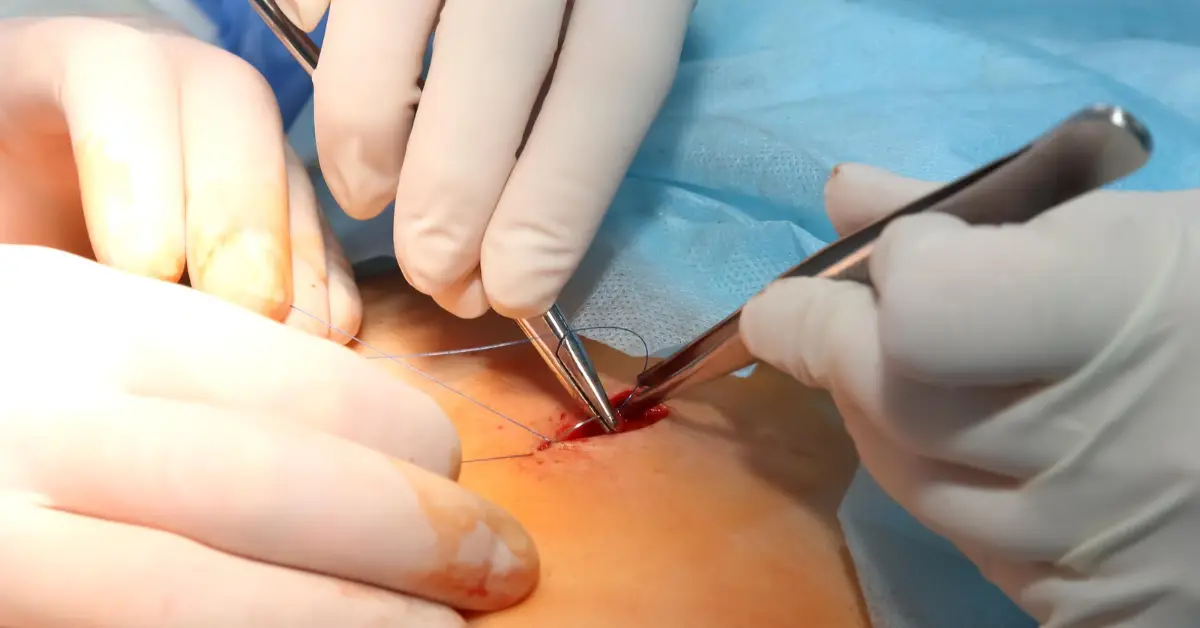
  • Open Hernia Repair: In open hernia repair, a small incision is made in the groin region to access the hernia directly. The protruding tissue is carefully pushed back into place, and the weakened abdominal wall is reinforced using a surgical mesh. This method is widely used and suitable for many patients, especially in uncomplicated cases. It is a reliable and time-tested technique with good long-term outcomes.
  • Laparoscopic Hernia Repair: Laparoscopic surgery is a minimally invasive technique performed using small incisions and a thin camera called a laparoscope. The surgeon operates with specialized instruments while viewing the internal area on a monitor. This approach causes less tissue damage, reduces pain, and promotes faster recovery. Patients often return to normal activities sooner compared to open surgery.
  • Robotic Hernia Surgery: Robotic hernia repair uses advanced robotic surgery technology to assist the surgeon in performing highly precise movements. It offers enhanced control, flexibility, and better visualization of the surgical area. This technique is particularly beneficial in complex or recurrent hernia cases. It also helps improve accuracy while minimizing trauma to surrounding tissues.

Advantages of Laparoscopic Hernia Surgery

Laparoscopic hernia surgery is a modern, minimally invasive approach that offers several benefits over traditional open repair. It is widely preferred for its faster recovery, reduced discomfort, and improved overall outcomes.

  • Smaller cuts: This technique uses tiny keyhole incisions instead of a large open cut. As a result, there is minimal scarring, better cosmetic appearance, and reduced impact on surrounding tissues.
  • Faster recovery: Because the procedure is less invasive, patients usually experience a quicker healing process. Most individuals are able to resume normal daily activities much sooner compared to open surgery.
  • Less pain: With reduced tissue disruption during surgery, post-operative pain is significantly lower. This also reduces the need for strong pain medications and improves early mobility.
  • Lower recurrence: Advanced mesh placement under direct camera guidance ensures better reinforcement of the weakened abdominal wall. This reduces the chances of the hernia returning in the future.

For many patients seeking inguinal hernia treatment in Chennai, laparoscopic surgery is increasingly becoming the preferred choice due to its safety, comfort, and faster recovery benefits.

Recovery After Hernia Surgery

Recovery after inguinal hernia surgery is generally smooth, especially with minimally invasive techniques like laparoscopic repair. However, following post-operative guidelines is important for safe healing and to prevent recurrence.

  • Hospital stay duration: Most laparoscopic hernia surgeries are performed as day-care procedures or require only a short hospital stay of 24–48 hours. Patients are usually discharged once they are stable and able to move comfortably.
  • Return to work timeline: Recovery time depends on the type of work. Patients doing desk-based or light activities can often resume work within about a week. Those involved in physically demanding jobs may need 2–4 weeks before returning safely.
  • Exercise restrictions: Strenuous activities, heavy lifting, and intense workouts should be avoided for a few weeks after surgery. Gradually resuming physical activity helps ensure proper healing and reduces the risk of recurrence.

Risks and Complications

Like any surgical procedure, inguinal hernia repair carries a few potential risks. However, with modern techniques and proper post-operative care, complications are generally rare and manageable.

  • Infection: Infection at the incision site is uncommon but can occur after surgery. It is usually mild and can be effectively treated with antibiotics and proper wound care.
  • Recurrence: In some cases, the hernia may return over time, especially if heavy strain or improper lifting occurs during the recovery period. Following medical advice significantly reduces this risk.
  • Mesh complications: Surgical mesh used for repair is generally safe and well-tolerated by the body. In rare situations, it may cause irritation, discomfort, or sensitivity in the operated area.
  • Pain management: Mild to moderate pain is expected in the initial recovery phase. It is usually temporary and can be well-controlled with prescribed pain medications.

Overall, most patients recover without any major issues when post-surgical instructions are followed properly. Regular follow-ups and lifestyle modifications play a key role in preventing complications. Early reporting of unusual symptoms ensures timely medical care and better outcomes.

Why Choose Dr. Dinesh Ramaswamy

With over 15+ years of experience in gastrointestinal and pancreatic care, Dr. Dinesh Ramaswamy brings deep clinical expertise in managing complex conditions with precision and care. His consistently strong outcomes and patient trust reflect a high success rate built on skill, accuracy, and dedication.

  • Years of experience: Extensive clinical experience in managing complex gastrointestinal and pancreatic cases with a deep understanding of disease progression and treatment planning.
  • High success rate: Consistently positive outcomes supported by strong surgical expertise and long-standing patient trust.
  • Multidisciplinary care: Treatment is delivered through a collaborative approach involving surgeons, oncologists, radiologists, and nutrition specialists to ensure comprehensive management.
  • Patient-centered approach: Every case is handled with a personalized treatment plan, ensuring patients receive continuous guidance from diagnosis through recovery.

This structured approach ensures that every patient undergoing inguinal hernia repair benefits from coordinated care, improved safety, and better recovery outcomes. Treatment decisions for inguinal hernia repair are made with careful evaluation to achieve long-term health stability and reduce the risk of complications.

Advanced Care Approach

  • Accurate diagnosis using imaging
  • Personalized surgical planning
  • Use of high-quality mesh materials
  • Strict infection-control protocols
  • Structured follow-up and recovery support

The goal is not just repair—but durable, pain-free results.

Conclusion

Inguinal Hernia Repair in Chennai has evolved into a highly safe and effective surgical solution with excellent outcomes when performed early by an experienced surgeon. With modern techniques, minimal downtime, and structured recovery protocols, patients undergoing inguinal hernia treatment in Chennai can expect long-term relief and improved quality of life. Choosing timely surgery and expert care ensures durability, safety, and confidence in everyday movement—without living around pain or restriction.

Frequently Asked Questions

Common questions about Inguinal Hernia Repair and our services

Most patients experience mild to moderate pain after surgery, which is well controlled with medications. Laparoscopic surgery usually causes less pain than open repair. Discomfort reduces significantly within a few days, and normal activities can be resumed gradually under medical guidance.

The procedure typically takes 30 to 60 minutes, depending on the hernia type and technique used. Bilateral or recurrent hernias may take slightly longer. Most patients are discharged the same day or within 24 hours.

Recurrence is rare when surgery is done correctly using mesh reinforcement. Factors like surgeon expertise, surgical technique, patient compliance, and avoiding heavy lifting during recovery play a major role in preventing recurrence.

Explore Our Latest Vlogs

Stay updated with expert insights, latest trends, and helpful articles.

Related Blogs

No data was found

Need Medical Assistance? Book an Appointment Now!

Take the first step toward better digestive health. Book an appointment with our laparoscopy and gastroenterology team to receive expert care, clear guidance, and advanced minimally invasive solutions tailored to your needs.