Chennai Laparoscopy

Dr. Dinesh Ramaswamy

Colorectal Cancer Surgery

Advanced colorectal cancer surgery with expert care, precise treatment, and improved recovery outcomes for patients.
Colorectal Cancer Surgery in Chennai

Colorectal cancer is one of the most treatable cancers when detected early and managed correctly. With advances in diagnostics, minimally invasive techniques, and structured oncology care, Colorectal Cancer Surgery in Chennai now delivers significantly improved survival and quality of life.

If symptoms like altered bowel habits, bleeding, or unexplained weight loss are ignored, the disease can progress silently. Choosing timely Colorectal Cancer Surgery in Chennai with an experienced specialist can make a decisive difference in outcomes.

What is Colorectal Cancer?

Colorectal cancer develops in the colon or rectum, which are parts of the lower portion of the large intestine. In many cases, the disease begins as small growths called polyps. Over time, some polyps may gradually become cancerous if not detected and removed early.

Colorectal cancer can occur in both men and women and is more commonly diagnosed in people over the age of 45. Lifestyle factors, food habits, family history, and chronic bowel inflammation may increase the risk. Today, advances in colorectal cancer treatment allow doctors to identify cancer at earlier stages, offering better treatment success and improved long-term survival.

Early Warning Signs of Colorectal Cancer

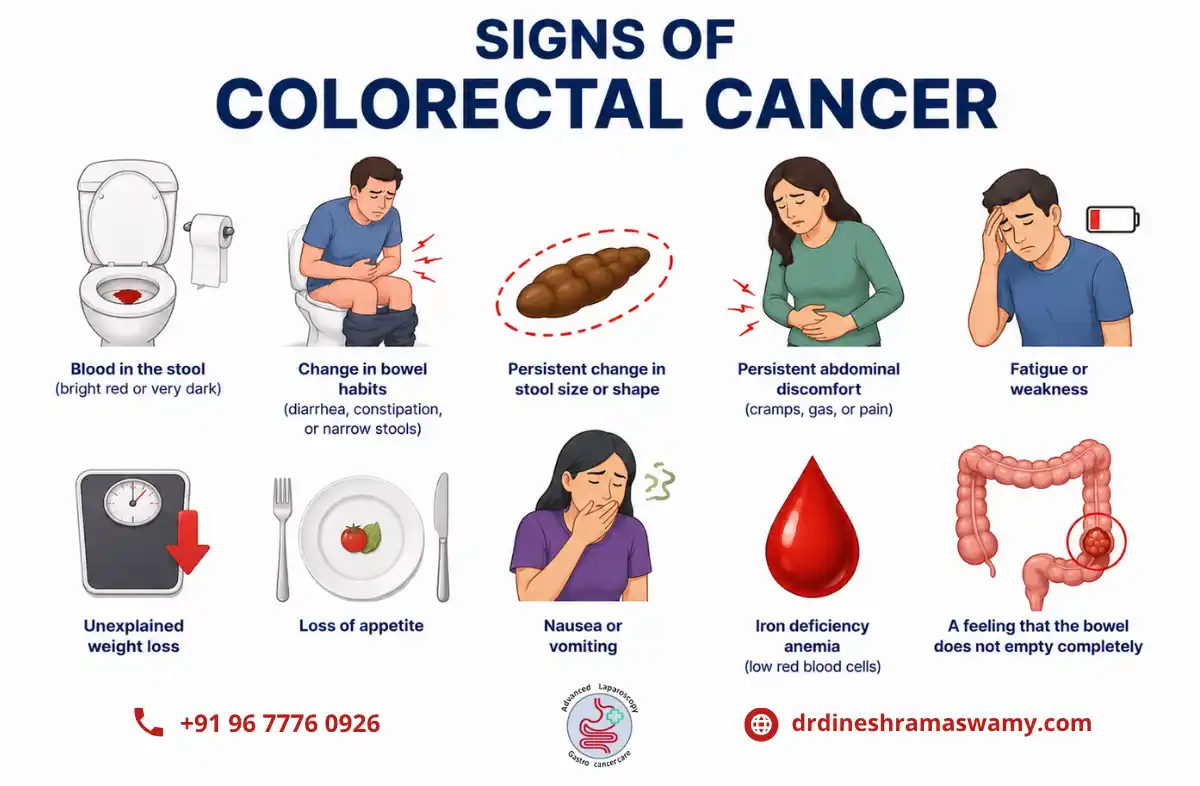
Colorectal cancer often develops gradually, and the early symptoms can easily be mistaken for common digestive problems. Many people ignore these warning signs because they seem minor or temporary at first. However, persistent bowel changes, bleeding, or unexplained abdominal discomfort should never be overlooked. Recognizing symptoms early can help doctors diagnose the condition at an earlier stage, when treatment is usually more effective and recovery outcomes are better.

  • Blood in Stool: Blood in the stool is one of the most common warning signs of colorectal cancer. Some patients notice bright red bleeding, while others may experience dark or black-colored stools due to internal bleeding higher in the digestive tract. Even occasional bleeding should be medically evaluated rather than assuming it is caused by piles or constipation.
  • Persistent Constipation: Constipation that continues for several weeks despite dietary changes or medications may indicate a blockage or narrowing inside the colon. Patients may also feel bloated or uncomfortable after meals. Sudden or unexplained changes in bowel habits should be properly evaluated by a doctor to identify the underlying cause early. 
  • Loose Motions: Frequent loose stools or unexplained diarrhea can occur when the normal function of the colon is affected by abnormal growths. Some patients experience alternating constipation and diarrhea, which can sometimes delay diagnosis because the symptoms resemble common stomach infections or irritable bowel conditions.
  • Narrow Stools: Thin or pencil-shaped stools may develop when a tumor narrows the passage inside the colon or rectum. This change may occur gradually and continue for several weeks. Persistent narrowing of stools should not be ignored, especially when associated with abdominal discomfort or bleeding.
  • Unexplained Weight Loss: Sudden weight loss without dieting or increased physical activity can sometimes indicate underlying cancer activity. Patients may lose appetite, feel weak, or notice reduced energy levels over time. Unintentional weight loss always requires medical attention.
  • Fatigue: Persistent tiredness and weakness may result from hidden blood loss, anemia, or poor nutrient absorption caused by colorectal cancer.Many patients continue to experience extreme tiredness despite getting enough sleep and rest. Ongoing fatigue along with bowel symptoms should be properly investigated.
  • Abdominal Pain: Cramping, bloating, gas, or continuous abdominal discomfort may occur when the colon is partially blocked or inflamed. Some patients experience pain mainly after eating, while others notice persistent lower abdominal heaviness. Persistent stomach discomfort along with changes in bowel habits should be medically assessed at an early stage. 
  • Incomplete Bowel Emptying: Some individuals constantly feel the urge to pass stools even after using the toilet. This sensation, known as incomplete bowel emptying, is more common in rectal cancers. Patients may also feel pressure or discomfort in the rectal area during bowel movements.

Ignoring these symptoms can delay diagnosis and make treatment more complicated later. Although these symptoms may not always be caused by cancer, ongoing changes in bowel habits should not be overlooked.  Consulting a colorectal specialist early helps identify the underlying cause and improves the chances of successful treatment and recovery.
Colorectal Cancer Surgery in Chennai

Causes & Risk Factors

Several lifestyle, genetic, and medical factors can increase the risk of developing colorectal cancer. Understanding these risk factors helps individuals make healthier choices and seek timely screening when needed.

  • Family History: Individuals with a family history of colon or rectal cancer may face a higher risk of developing colorectal cancer themselves. Genetic factors and inherited syndromes can significantly increase long-term risk.
  • Smoking: Smoking exposes the body to harmful chemicals that may damage the lining of the colon over time. Long-term smokers are more likely to develop colorectal polyps and cancer.
  • Alcohol: Excessive alcohol intake may irritate intestinal tissues and contribute to abnormal cell growth. Regular heavy drinking is associated with a higher colorectal cancer risk.
  • Processed Foods: Frequent consumption of processed meats, fast foods, and low-fiber diets can negatively affect digestive health. Poor eating habits may increase inflammation and promote cancer development.
  • Obesity: Being overweight can lead to hormonal imbalance and chronic inflammation within the body. Obesity is considered a major lifestyle-related risk factor for colorectal cancer.
  • Sedentary Lifestyle: Lack of regular physical activity slows digestion and affects bowel function. Limited physical activity can increase the chances of obesity and other metabolic conditions that are associated with a higher risk of colorectal cancer. 
  • Diabetes: People with diabetes may face a moderately higher risk of developing colorectal cancer because of changes in insulin levels and the body’s metabolic functions.  Poorly controlled blood sugar levels can further affect overall health.
  • Inflammatory Bowel Disease: Chronic conditions like ulcerative colitis and Crohn’s disease cause long-term inflammation in the colon. Persistent inflammation may gradually increase the risk of cancerous changes.
  • Age Above 45: The risk of colorectal cancer increases with age, especially after 45 years. Routine colonoscopy screening becomes important during middle age for early detection and prevention.

Stages of Colorectal Cancer Explained Simply

Doctors classify colorectal cancer into stages based on how far the disease has spread.

  • Stage 1: the cancer is confined to the inner layers of the colon or rectal wall and has not spread outside the bowel. Treatment at this stage is often highly successful, especially when diagnosed early through screening.
  • Stage 2: the cancer grows deeper into the outer layers of the bowel wall or nearby tissues. Although it has not yet spread to lymph nodes, treatment may require surgery along with additional therapies in some patients.
  • Stage 3: Cancer may extend into the nearby lymph nodes located around the colon or rectum. This stage usually requires a combination of surgery and chemotherapy to reduce recurrence risk and improve long-term outcomes.
  • Stage 4: colorectal cancer means the disease has spread to distant organs such as the liver, lungs, or other parts of the body. Treatment at this stage focuses on controlling the disease, improving quality of life, and extending survival through advanced therapies.

Early-stage cancers usually require less aggressive treatment and offer better recovery outcomes.

How Colorectal Cancer is Diagnosed

Diagnosing colorectal cancer involves a combination of clinical evaluation, imaging tests, and laboratory investigations. Early and accurate diagnosis helps doctors determine the stage of the disease and plan the most effective treatment approach for the patient.

Diagnostic Methods

  • Colonoscopy
  • Biopsy
  • CT Scan
  • MRI
  • PET Scan
  • Blood Tests
  • Tumor Markers

These tests help doctors identify the location of the tumor, understand how far the cancer has spread, and evaluate the patient’s overall health condition. In many cases, early diagnosis through colonoscopy screening improves treatment success and allows timely medical intervention before complications develop.

Colonoscopy Screening

Colonoscopy screening plays an important role in detecting colorectal cancer at an early stage, often before symptoms even appear. It also helps identify and remove precancerous polyps, reducing the chances of cancer development in the future.

  • Why Screening Matters: Screening helps detect abnormal growths early, improving treatment success and long-term recovery outcomes.
  • Age for Screening: Most adults are advised to start colonoscopy screening around the age of 45, especially if symptoms or risk factors are present.
  • Polyps and Cancer Prevention: Removing polyps during colonoscopy can prevent them from turning into cancer over time.
  • High-Risk Patients: Individuals with family history or inflammatory bowel disease may require earlier and more frequent screening.
  • Early-Stage Detection Benefits: Early diagnosis often allows simpler treatments, minimally invasive surgery, and faster recovery.

Regular screening can save lives by identifying colorectal cancer before it spreads to advanced stages. Patients should not wait for severe symptoms to appear before considering a colonoscopy, particularly if they have persistent bowel changes or a family history of colon cancer.

Types of Colorectal Cancer Surgery

Treatment depends on tumor location, stage, and overall patient health. Modern Colorectal Cancer Surgery techniques aim to remove cancer safely while preserving bowel function whenever possible.

  • Hemicolectomy: This procedure removes one portion of the colon affected by cancer.
  • Low Anterior Resection: Commonly performed for upper rectal cancers while preserving the anal opening.
  • Abdominoperineal Resection: Required for low rectal tumors located very close to the anus. In some cases, patients may need a permanent colostomy.
  • Laparoscopic Colectomy: Minimally invasive surgery using small incisions and specialized instruments. Patients usually experience less pain and quicker recovery.
  • Robotic Colorectal Surgery: Robotic-assisted procedures provide improved precision, especially in complex pelvic surgeries.

Many patients seeking Colorectal Cancer Surgery in chennai prefer minimally invasive approaches because of reduced hospital stay and faster return to routine activities. Advanced centers offering Colorectal Cancer Treatment in vadapalani often combine surgery with chemotherapy, radiation therapy, nutrition guidance, and long-term follow-up care for better outcomes.

When Should You See a Colorectal Surgeon?

Consult a colorectal specialist if you experience:

  • Persistent constipation or diarrhea
  • Blood in stool
  • Unexplained abdominal pain
  • Sudden weight loss
  • Family history of colorectal cancer
  • Long-standing bowel habit changes
  • Positive stool screening tests

Early consultation helps avoid delayed diagnosis and complications.

Recovery After Colorectal Surgery

Recovery after colorectal surgery differs from one patient to another depending on the type of procedure performed, overall health condition, and stage of the disease. Proper post-operative care, nutrition, and regular follow-up play an important role in improving recovery and helping patients return to normal activities safely.

  • Walking After Surgery: Patients are encouraged to start walking soon after surgery to improve blood circulation and reduce the risk of complications like blood clots. Early movement also helps improve bowel function and speeds up recovery.
  • Pain Management: Modern pain management techniques help reduce discomfort after surgery and improve patient comfort. Proper pain control allows patients to move, eat, and recover more effectively.
  • Diet Progression: Most patients begin with clear liquids before gradually moving to soft foods and regular meals. The diet is advanced slowly based on bowel recovery and tolerance.
  • Bowel Movement Changes: Temporary constipation, loose stools, or frequent bowel movements are common after colorectal surgery. These changes usually improve gradually as the body adjusts during healing.
  • Returning to Work: Patients with desk jobs may return to work within a few weeks, while physically demanding activities may require a longer recovery period. Doctors usually advise patients based on their healing progress.
  • Follow-Up Schedule: Regular follow-up appointments help doctors monitor healing, assess bowel function, and detect any recurrence early. Continued medical monitoring is important for long-term recovery and overall health.

Diet After Colorectal Surgery

Nutrition plays an important role in healing and bowel recovery after Colorectal Cancer Surgery. A balanced diet helps improve strength, supports digestion, and allows the body to recover comfortably after treatment.

  • High-Protein Foods: Protein helps repair tissues and maintain energy levels during recovery. Foods like eggs, fish, dal, chicken, and paneer are commonly recommended.
  • Fiber Adjustments: Fiber intake is usually introduced gradually based on bowel tolerance after surgery. Too much fiber initially may cause bloating or discomfort in some patients.
  • Hydration: Drinking enough water helps prevent dehydration and supports smoother bowel movements. Proper hydration also reduces the risk of constipation.
  • Small Meals: Eating smaller meals frequently is easier on the digestive system during recovery. It also helps reduce bloating and improves digestion.
  • Foods to Avoid: Spicy foods, fried items, processed foods, and excessive caffeine may irritate the digestive tract initially. Doctors usually advise avoiding these foods during early recovery.
  • Soft Foods Initially: Soft foods like soups, curd rice, mashed vegetables, soft rice, and idlis are easier to digest after surgery. These foods help the bowel recover without excessive strain.

Conclusion

Colorectal cancer is one of the most treatable cancers when diagnosed at an early stage. Symptoms such as rectal bleeding, persistent constipation, abdominal pain, unexplained weight loss, or changes in bowel habits should never be ignored, especially if they continue for several weeks. Early diagnosis through routine screening and colonoscopy helps detect the disease before it progresses to advanced stages. Healthy lifestyle habits, timely medical consultation, and modern surgical treatments have significantly improved recovery outcomes and quality of life for patients. Consulting an experienced colorectal specialist at the right time can help ensure accurate diagnosis and effective treatment planning.

Frequently Asked Questions

Common questions about Colorectal Cancer Surgery and our services

Yes. When performed by an experienced colorectal surgeon, the procedure is safe and effective. Advances in minimally invasive techniques and post-operative care have significantly reduced complications and improved recovery and long-term outcomes.

Not always. Many patients undergo sphincter-preserving surgery and do not require a permanent stoma. The decision depends on tumor location and stage. Your surgeon will always aim to preserve normal bowel function when medically possible.

Yes, especially when detected early. Surgery combined with appropriate chemotherapy or radiotherapy offers high cure rates. Regular follow-up and surveillance are essential to maintain long-term cancer-free survival.

Explore Our Latest Vlogs

Stay updated with expert insights, latest trends, and helpful articles.

Related Blogs

No data was found

Need Medical Assistance? Book an Appointment Now!

Take the first step toward better digestive health. Book an appointment with our laparoscopy and gastroenterology team to receive expert care, clear guidance, and advanced minimally invasive solutions tailored to your needs.