
Gut health has become one of the most important topics in modern wellness — and for good reason. Your gut does far more than simply digest food. It plays a major role in immunity, metabolism, energy production, mental health, skin condition, inflammation control, and overall well-being.
Inside your digestive system lives a vast ecosystem of microorganisms known as the gut microbiome. This community contains trillions of bacteria, fungi, and microbes that help break down food, absorb nutrients, produce vitamins, and protect the body from harmful organisms.
Research continues to show that maintaining a balanced gut microbiome is closely connected to long-term health. In fact, many healthcare professionals now consider gut health one of the foundations of overall wellness.
Unfortunately, modern lifestyles often work against healthy digestion. Highly processed foods, chronic stress, poor sleep, excessive sugar intake, sedentary habits, smoking, alcohol, and unnecessary antibiotic use can negatively affect beneficial gut bacteria. As digestive problems continue to rise worldwide, more people are searching for natural and sustainable ways to improve their gut health.
Many people with poor gut health experience symptoms they do not immediately connect to digestion. Constant bloating after meals, low energy, brain fog, irregular bowel movements, sugar cravings, poor sleep, or recurring skin issues can sometimes be linked to an imbalanced gut.
The good news is that small daily habits can make a major difference over time.
In this complete guide, you will learn:
- What gut health actually means
- Signs of an unhealthy gut
- Foods that improve digestion naturally
- Lifestyle habits that support healthy gut bacteria
- Natural remedies and supplements
- A simple 7-day gut health improvement plan
- When digestive symptoms require medical attention
By making consistent lifestyle improvements, you can support better digestion, stronger immunity, improved energy, and long-term wellness naturally.
Quick Summary: Best Ways to Improve Gut Health Naturally
- Eat more fiber-rich foods
- Include fermented foods daily
- Reduce processed foods and excess sugar
- Drink enough water throughout the day
- Exercise consistently
- Improve sleep quality
- Manage stress effectively
- Avoid unnecessary antibiotic use
- Eat slowly and mindfully
- Maintain consistent meal timings
What Is Gut Health?
Understanding the Digestive System
The digestive system is responsible for breaking down food, absorbing nutrients, and removing waste from the body. It includes the stomach, intestines, liver, pancreas, and several other organs that work together to maintain proper digestion and overall health.
When digestion functions properly, the body is able to efficiently absorb nutrients needed for energy, immunity, muscle repair, hormone production, and brain function.
What Is the Gut Microbiome?
The gut microbiome refers to the trillions of microorganisms living primarily inside the intestines. These microbes include both beneficial and potentially harmful bacteria.
A healthy microbiome contains a balanced diversity of organisms that help:
- Digest certain foods
- Produce vitamins like B12 and K
- Support immune function
- Protect against harmful bacteria
- Maintain the gut lining
Researchers continue to study how gut bacteria influence many areas of human health, including mood, metabolism, and inflammation.
Good Bacteria vs Harmful Bacteria
Healthy bacteria help maintain balance inside the digestive tract. Harmful bacteria naturally exist too, but problems may occur when harmful organisms outnumber beneficial microbes.
An imbalance may contribute to:
- Bloating
- Gas
- Diarrhea
- Constipation
- Increased inflammation
- Digestive discomfort
Why Gut Balance Matters
A balanced gut microbiome supports several important functions:
- Better digestion
- Improved nutrient absorption
- Stronger immunity
- Reduced inflammation
- Better mental clarity
- Healthier metabolism
Even small lifestyle habits can influence this balance over time.
How Modern Lifestyle Affects Gut Health
Modern eating habits often reduce microbial diversity. Diets high in processed foods, refined carbohydrates, artificial additives, and sugar may negatively affect beneficial bacteria.
Other common lifestyle factors include:
- Chronic stress
- Poor sleep quality
- Smoking
- Excess alcohol consumption
- Lack of exercise
- Frequent antibiotic use
Together, these habits can gradually weaken digestive health and increase inflammation.
Why Gut Health Is Important
Digestion and Nutrient Absorption
- Healthy gut bacteria help the body break down food more efficiently and absorb essential nutrients properly.
- Without proper digestion, even a healthy diet may not provide maximum nutritional benefit.
Immune System Support
- Research suggests that a large portion of the immune system is closely connected to the gut. Beneficial bacteria help regulate immune responses and protect against harmful pathogens.
- A healthier gut may help the body respond better to infections and inflammation.
Mental Health and Mood
- The gut and brain constantly communicate through what experts call the gut-brain axis.
- Many people notice digestive symptoms worsen during periods of stress or anxiety. Researchers are also studying how gut bacteria may influence mood, emotional health, and mental clarity.
Energy Levels and Metabolism
- Poor digestion can interfere with nutrient absorption, leading to fatigue and low energy levels.
- Some individuals with gut imbalance report symptoms such as:
- Afternoon fatigue
- Sugar cravings
- Low motivation
- Brain fog after meals
Skin and Hormonal Health
- Emerging research suggests that gut imbalance may contribute to inflammatory skin conditions such as acne and eczema.
- Hormonal balance may also be affected by digestive health and inflammation levels.
Inflammation and Long-Term Wellness
- Chronic inflammation has been associated with multiple long-term health conditions. Maintaining healthy gut bacteria may help support the body’s natural inflammatory response.
Expert Insight
- Nutrition experts increasingly recommend fiber-rich diets, fermented foods, regular exercise, and stress management as part of a healthy lifestyle for supporting the gut microbiome naturally.
Signs of Poor Gut Health
Digestive Symptoms
Common digestive symptoms include:
- Bloating after meals
- Gas
- Constipation
- Diarrhea
- Acid reflux
- Stomach discomfort
- Irregular bowel movements
Some people notice symptoms worsen after eating processed foods or during stressful periods.
Non-Digestive Symptoms
Gut imbalance can affect more than digestion alone.
Possible symptoms include:
- Fatigue
- Brain fog
- Frequent sugar cravings
- Poor sleep quality
- Mood swings
- Skin irritation
- Difficulty concentrating
Warning Signs That Need Medical Attention
Certain symptoms should never be ignored.
Consult a healthcare professional if you experience:
- Blood in stool
- Severe abdominal pain
- Sudden unexplained weight loss
- Persistent vomiting
- Ongoing digestive symptoms lasting several weeks
Common Causes of Poor Gut Health
- Unhealthy Diet: Low-fiber diets lacking vegetables, fruits, legumes, and whole grains may reduce healthy bacterial diversity.
- Excess Sugar and Processed Foods: Highly processed foods often contain additives, preservatives, and refined sugars that may negatively affect gut bacteria balance.
- Antibiotic Overuse: Antibiotics can be lifesaving when medically necessary, but overuse may also reduce beneficial bacteria inside the digestive system.
- Chronic Stress: Long-term stress may negatively affect digestion, gut motility, and inflammation levels. Many people experience stomach discomfort or bloating during emotionally stressful periods.
- Lack of Sleep: Research suggests poor sleep quality may affect gut bacteria diversity and immune function.
- Alcohol and Smoking: Excess alcohol and smoking may damage the gut lining and increase digestive inflammation.
- Sedentary Lifestyle: Regular movement helps support digestion, circulation, metabolism, and overall gut function.
- Dehydration: Not drinking enough water may worsen constipation and slow digestion.
Best Foods to Improve Gut Health
High-Fiber Foods
Fiber acts as fuel for beneficial gut bacteria.
Excellent sources include:
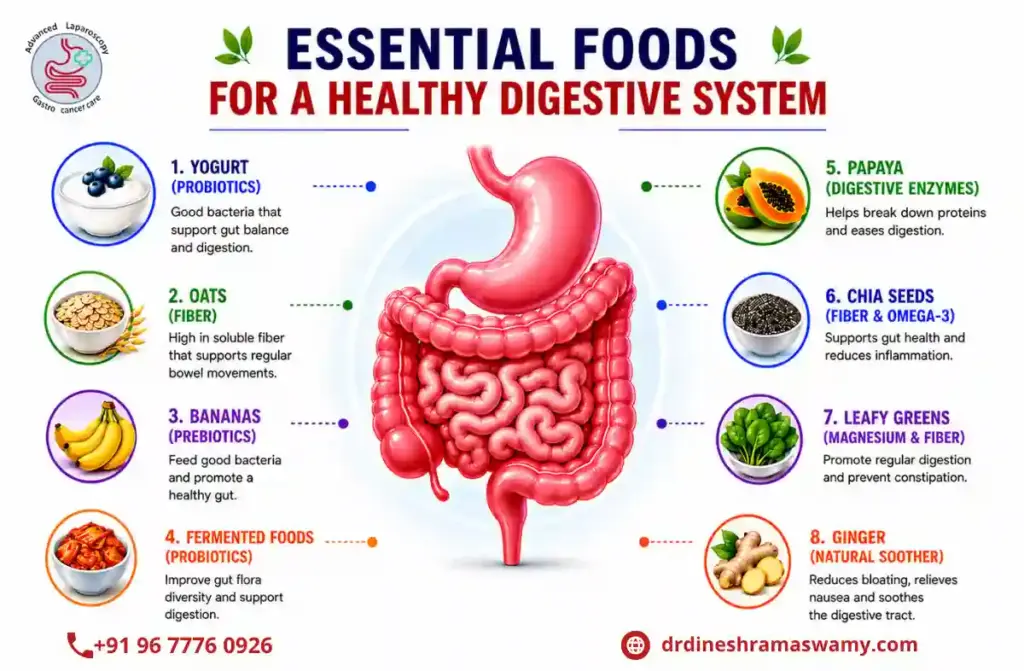
- Oats
- Beans
- Lentils
- Whole grains
- Apples
- Berries
- Leafy vegetables
People who suddenly increase fiber intake may benefit from increasing it gradually while drinking more water.
Fermented Foods
Fermented foods naturally contain beneficial bacteria that support digestive balance.
Popular examples include:
Yogurt with live cultures
- Kefir
- Kimchi
- Sauerkraut
- Kombucha
- Traditional fermented vegetables
Adding small amounts regularly may support microbial diversity over time.
Prebiotic Foods
Prebiotics are fibers that feed healthy bacteria already living in the gut.
Good sources include:
- Garlic
- Onion
- Bananas
- Asparagus
- Oats
- Apples
Omega-3 Rich Foods
Omega-3 fats may help support the body’s natural anti-inflammatory processes.
Healthy sources include:
- Salmon
- Sardines
- Flaxseeds
- Chia seeds
- Walnuts
Best Indian Foods for Gut Health
Traditional Indian diets contain several naturally gut-friendly foods.
Examples include:
- Curd
- Buttermilk
- Idli
- Dosa
- Kanji
- Homemade pickles
- Fermented rice dishes
These foods are often easier to digest and may naturally support beneficial bacteria.
Gut-Friendly Superfoods
Some commonly recommended gut-supporting foods include:
- Yogurt
- Ginger
- Garlic
- Turmeric
- Chia seeds
- Flaxseeds
Rather than relying on a single “superfood,” experts generally recommend focusing on overall dietary consistency.
Probiotics vs Prebiotics
What Are Probiotics?
Probiotics are live beneficial bacteria that may help support digestive balance.
They are found naturally in fermented foods and some supplements.
What Are Prebiotics?
Prebiotics are plant fibers that feed healthy bacteria inside the gut.
Without prebiotics, beneficial bacteria may struggle to thrive.
Key Difference
- Probiotics add beneficial bacteria
- Prebiotics nourish existing bacteria
Both work together to support gut health.
Which One Is Better?
Most nutrition experts recommend combining both rather than focusing on only one.
For example:
- Yogurt + banana
- Oats + kefir
- Curd + fruit
These combinations provide both probiotics and prebiotic fiber.
Common Mistakes With Probiotics
Some common mistakes include:
- Expecting instant results
- Ignoring overall diet quality
- Buying low-quality supplements
- Taking unnecessary probiotic products
Improving gut health usually requires consistent lifestyle changes rather than quick fixes.
Foods That Harm Gut Health
- Ultra-Processed Foods
- Highly processed foods may reduce beneficial bacterial diversity over time.
- Excess Sugar
- Too much sugar may encourage the growth of harmful bacteria.
- Fried and Oily Foods
- Heavy fried meals can worsen bloating, indigestion, and inflammation in some individuals.
- Artificial Sweeteners
Some studies suggest certain artificial sweeteners may negatively affect gut bacteria balance.
Excess Alcohol Consumption
- Too much alcohol may damage the gut lining and increase digestive inflammation.
Frequent Junk Food Intake
- Diets consistently high in fast food are often low in fiber and nutrients needed for healthy digestion.
Lifestyle Changes That Improve Gut Health
Exercise Regularly:
- Research suggests physical activity may improve microbial diversity and digestion.
- Even simple habits like daily walking can help.
Improve Sleep Quality
- Aim for consistent, high-quality sleep each night.
- Poor sleep may increase inflammation and negatively affect digestion.
Reduce Stress
- Stress management is one of the most overlooked aspects of gut health.
Helpful strategies include:
- Meditation
- Yoga
- Walking
- Deep breathing
- Journaling
Eat Slowly and Mindfully
- Eating too quickly may worsen bloating and indigestion.
- Chewing food properly supports digestion.
Stay Hydrated
- Adequate hydration supports bowel regularity and digestion.
- Maintain Consistent Meal Timings
- Irregular eating patterns may disrupt digestive rhythms in some people.
7-Day Gut Health Improvement Plan
Day 1–2
Focus on hydration and increasing fiber gradually.
Add:
- Oats
- Fruits
- Vegetables
- More water
Day 3–4
Introduce fermented foods:
- Yogurt
- Buttermilk
- Kefir
- Homemade fermented foods
Day 5
Reduce highly processed foods and sugary snacks.
Replace them with:
- Nuts
- Fruits
- Seeds
Day 6
Focus on sleep and stress reduction.
Try:
- Earlier bedtime
- Reduced screen time
- Evening walks
Day 7
- Build a sustainable routine you can maintain long term.
- The goal is consistency rather than perfection.
How Long Does It Take to Improve Gut Health?
Some people notice improvements such as reduced bloating and better digestion within a few days or weeks.
However, meaningful long-term improvements in gut balance often take several months of consistent healthy habits.
Factors that influence recovery include:
- Diet quality
- Stress levels
- Sleep habits
- Physical activity
- Existing digestive conditions
Experts generally recommend focusing on long-term consistency instead of short-term detoxes or extreme diets.
When to See a Doctor
Natural lifestyle changes may help many mild digestive issues, but some symptoms require medical attention.
Consult a healthcare professional if you experience:
- Severe abdominal pain
- Blood in stool
- Persistent vomiting
- Ongoing diarrhea
- Sudden weight loss
- Chronic digestive discomfort
Conditions such as inflammatory bowel disease, ulcers, infections, and severe gastrointestinal disorders require professional evaluation and treatment.
Key Takeaways
- Gut health affects digestion, immunity, energy, skin, and mental wellness
- Fiber-rich foods and fermented foods support healthy bacteria
- Stress, poor sleep, and processed foods may damage gut balance
- Small consistent habits are more effective than extreme diets
- Long-term lifestyle improvements support sustainable digestive health
Conclusion
Improving gut health naturally does not require expensive supplements, complicated detoxes, or extreme dieting.
In many cases, simple daily habits make the biggest difference over time.
Eating more fiber-rich foods, adding fermented foods, staying hydrated, exercising regularly, improving sleep quality, and managing stress can gradually support a healthier gut microbiome.
The key is consistency. Small improvements repeated daily often produce better long-term results than short-term “quick fixes.”
Your gut influences many areas of physical and mental health. Taking care of it today may lead to better digestion, stronger immunity, improved energy, and greater overall well-being in the future.