Hemorrhoids, commonly called piles, are enlarged and inflamed blood vessels located in the lower part of the rectum or around the anus. They are a common condition seen in adults of all age groups. Although piles are not usually dangerous, they can cause pain, bleeding, and discomfort that affect daily life. Many people hesitate to seek medical advice due to embarrassment, which may delay proper care. If you are searching for Piles treatment in chennai, understanding the condition, its causes, and the available treatment options is the first step toward safe and effective management.
What are Piles and Their Symptoms?
Piles, medically referred to as hemorrhoids, occur when the veins in the anal canal or lower rectum become enlarged due to excessive pressure. This pressure often results from chronic constipation, repeated straining during bowel movements, pregnancy, or prolonged sitting. Depending on their location, they may form inside the rectum (internal) or around the anal opening (external).
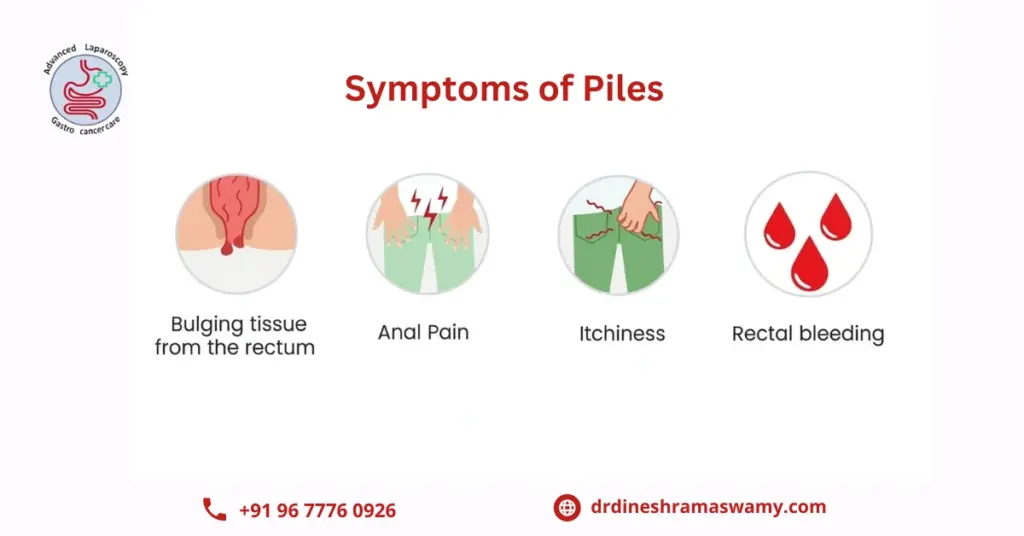
Common signs
- Rectal Bleeding: Bright red blood during or after bowel movement is one of the earliest signs. The bleeding is usually painless in internal piles but should never be ignored. Persistent bleeding requires medical evaluation to rule out other causes such as fissures or polyps.
- Anal Itching: Inflammation and mucus discharge can irritate the surrounding skin. Continuous itching may worsen skin damage and increase discomfort if not treated.
- Anal Pain: Pain is more common in external piles or when a clot develops inside the hemorrhoid. Severe pain needs prompt assessment and appropriate Piles treatment in chennai.
- Anal Swelling: Some individuals may feel a small bump or area of swelling around the anal opening. This swelling can cause difficulty while sitting or walking for long periods.
- Hemorrhoidal Prolapse: In advanced stages, internal piles may protrude outside the anus. Initially, they may go back on their own, but later they may require manual repositioning or surgical correction.
- Mucus Discharge: Mucus secretion can cause irritation, itching, and a constant feeling of wetness around the anal area.
- Incomplete Evacuation: Some patients feel that bowel movement is incomplete even after passing stools. This sensation leads to repeated straining and worsens symptoms.
Causes and Risk Factors of Piles
- Chronic Straining: Straining during bowel movements due to constipation significantly increases pressure on the rectal veins. Over time, this repeated pressure causes the veins to swell and enlarge. People who delay passing stools or have irregular bowel habits are more prone to this problem. Maintaining regular bowel habits and increasing fiber intake can reduce this risk.
- Pregnancy Pressure: During pregnancy, the growing uterus increases pressure on pelvic veins. Hormonal changes also relax supporting tissues, making veins more vulnerable to swelling. Many women develop temporary piles during pregnancy, especially in the third trimester. Proper diet and hydration help reduce symptoms.
- Unhealthy Lifestyle: A low-fiber diet, inadequate water intake, and lack of exercise contribute to constipation and venous pressure. Prolonged sitting, especially in desk jobs, further increases the risk. Lifestyle correction plays a key role in preventing recurrence after Treatment for piles in chennai.
- Age-Related Weakness: As people age, the supporting tissues in the rectal area naturally weaken. This makes veins more susceptible to enlargement. Although piles are common in older adults, younger individuals with poor lifestyle habits can also develop them.
- Obesity Risk: Excess body weight increases abdominal pressure, which directly affects rectal veins. Obesity is often associated with sedentary habits and poor dietary patterns, increasing the likelihood of hemorrhoids.
- Additional Risk Factors: Chronic diarrhea, prolonged sitting on the toilet, and genetic predisposition may also increase risk. Many patients seeking Piles treatment in chennai have a combination of these contributing factors.
Diagnosis and Pre-Treatment Evaluation
The evaluation of piles begins with a comprehensive consultation. The doctor discusses the patient’s symptoms in detail, including the duration of bleeding, pain, itching, swelling, or difficulty during bowel movements. Questions about bowel habits, frequency of constipation, dietary patterns, fluid intake, occupation, and lifestyle are also important. A complete medical history helps identify risk factors such as pregnancy, obesity, chronic cough, or previous colorectal conditions.
A careful physical examination follows. The external anal area is inspected to check for swelling, skin tags, thrombosed piles, fissures, or signs of infection. Tenderness, inflammation, and any visible prolapse are noted. In many cases, a digital rectal examination is performed to assess internal hemorrhoids, evaluate sphincter tone, and rule out other rectal abnormalities.
If bleeding is recurrent, severe, or unexplained, further diagnostic procedures may be recommended. Anoscopy or proctoscopy allows the doctor to directly visualize internal hemorrhoids and determine their grade. These simple outpatient procedures provide clarity regarding the size, number, and severity of piles. In selected patients, especially those above a certain age or with additional symptoms such as weight loss or anemia, further investigations may be advised to exclude other causes of rectal bleeding.
Types of Piles Treatment in Chennai
Different treatment options are available depending on severity and stage of the disease.
- Laser Hemorrhoidoplasty: Laser hemorrhoidoplasty is a minimally invasive technique where laser energy is used to shrink swollen hemorrhoidal tissue. The procedure causes minimal bleeding and less postoperative pain compared to conventional surgery. Most patients can return home on the same day and resume routine activities within a short period. Many centers offering Advance piles treatment in chennai provide this modern option for suitable patients.
- Stapler Hemorrhoidectomy: Stapler hemorrhoidectomy is mainly used for prolapsed internal piles. A circular stapling device removes excess tissue and repositions the hemorrhoids to their normal position. This method usually results in less pain compared to open surgery and allows faster recovery. It is commonly recommended for moderate to severe internal piles.
- Rubber Band Ligation: Rubber band ligation is a non-surgical outpatient procedure used for early-stage internal piles. A tight elastic band is applied at the base of the hemorrhoid to block its blood flow. The tissue gradually shrinks and falls off within a few days. It is effective for selected patients seeking Treatment for piles in chennai without major surgery.
- Open Hemorrhoidectomy: Open hemorrhoidectomy is a traditional surgical procedure used for large, complicated, or thrombosed piles. The swollen tissue is surgically removed under anesthesia. Although recovery may take longer, it remains a reliable option for advanced cases. Patients evaluating Piles treatment in Chennai should discuss the benefits and recovery expectations with their surgeon.
What Happens During the Procedure?
The procedure begins with appropriate anesthesia to ensure patient comfort. Depending on the selected technique, the surgeon either shrinks, repositions, or removes the swollen hemorrhoidal tissue. Advanced techniques aim to preserve normal tissue while addressing the problem area.
During minimally invasive procedures, bleeding is usually minimal and surgical precision is high. The treatment generally takes under 60 minutes to complete. After completion, patients are monitored for a few hours before discharge. Clear instructions are provided regarding medications, hygiene, and follow-up visits. Choosing the Best piles treatment in chennai involves understanding each step and clarifying doubts with the treating specialist.
Recovery and Post-Treatment Care
- Pain Control: Mild to moderate pain or discomfort is common for a few days after the procedure. Doctors usually prescribe pain relievers and anti-inflammatory medications to keep symptoms under control. Taking medicines as advised and avoiding straining during bowel movements helps reduce discomfort. If pain becomes severe or persistent, immediate medical consultation is recommended.
- Perianal Hygiene: Keeping the anal area clean and dry is essential for proper healing. Patients are often advised to take warm sitz baths two to three times daily to soothe irritation and improve blood circulation. Gently patting the area dry instead of rubbing prevents skin damage. Maintaining hygiene reduces infection risk and supports faster recovery.
- High-Fiber Diet: A fiber-rich diet softens stools and prevents constipation during recovery. Including fruits, vegetables, whole grains, and lentils in your diet supports smooth and regular bowel movements. When dietary intake is insufficient, doctors may recommend fiber supplements. Proper nutrition plays a major role in long-term success after Piles treatment in chennai.
- Adequate Hydration: Drinking at least 2–3 liters of water daily helps maintain smooth bowel movements. Adequate hydration reduces strain while passing stools and supports healing tissues. Avoiding excessive caffeine and carbonated beverages can further improve digestive health. Hydration remains a key preventive measure after recovery.
- Activity Modification: Light physical activity such as short walks is encouraged soon after treatment to improve circulation. However, heavy lifting, prolonged sitting, or intense workouts should be avoided during the early healing phase. Gradual return to routine activities is advised based on medical guidance.
- Stool Softener Use: Short-term use of stool softeners may be prescribed to prevent straining during bowel movements. These medications help ensure comfortable passage of stools while tissues heal. It is important to use them only as directed by the doctor and not for prolonged periods without supervision.
Is Surgery Necessary for Piles?
Surgery is not required for all patients with piles. In early stages, symptoms can often be managed with medications, dietary modification, and lifestyle correction. Many patients improve significantly with conservative care. Surgical or procedural treatment is considered when symptoms are severe, persistent, or associated with prolapse and repeated bleeding. Patients searching for the Best piles treatment in chennai should consult a specialist to understand whether minimally invasive options are suitable in their case.
Prevention Tips and Choosing the Right Specialist
Preventing recurrence requires consistent lifestyle management. A balanced diet rich in fiber, proper hydration, regular exercise, and timely treatment of constipation are essential. Limit long periods of sitting and reduce excessive pressure while passing stools. Long-term lifestyle correction significantly reduces the risk of recurrence after Treatment for piles in chennai.
When choosing a specialist for Piles treatment in chennai, experience, surgical expertise, and access to modern technology should be carefully considered. Consulting an experienced colorectal surgeon such as Dr. Dinesh Ramaswamy in Chennai ensures thorough evaluation and evidence-based care. Patients searching for the Best piles treatment in chennai often benefit from centers offering Advance piles treatment in chennai, including minimally invasive laser procedures and structured follow-up care. Early consultation improves outcomes and ensures safe, patient-focused treatment.
Conclusion
Piles are a common but manageable condition when diagnosed early. Symptoms such as bleeding, pain, or swelling should not be ignored. Understanding risk factors and seeking timely care prevents complications. Modern Piles treatment in Chennai includes both conservative and advanced minimally invasive procedures tailored to patient needs. With proper medical guidance, lifestyle correction, and preventive measures, long-term relief is achievable.