Chennai Laparoscopy

Dr. Dinesh Ramaswamy

Gallbladder Cancer Surgery

Expert gallbladder cancer surgery with advanced techniques, ensuring safe removal and improved patient recovery.
Gallbladder Cancer Surgery in Chennai

Gallbladder cancer is a rare but serious condition that affects the gallbladder, a small organ located beneath the liver, and can have significant health consequences if not detected early. Despite its rarity, advancements in medical technology and surgical techniques have made effective treatment possible, including Gallbladder Cancer Surgery in Chennai, which offers improved outcomes for eligible patients. This guide provides an overview of gallbladder cancer, including its causes, symptoms, and available treatment options. If you or a loved one is experiencing symptoms or has been diagnosed, understanding these aspects can help you make informed decisions about care and recovery.

What is the Gallbladder?

The gallbladder is a small, oval-shaped organ situated under the liver. Its main function is to store bile, a digestive fluid created by the liver to help break down fats. Bile aids in digestion, especially the digestion of fats. When food enters the small intestine, the gallbladder releases bile to help break down fat molecules.

Though the gallbladder is crucial for digestion, it is also prone to certain diseases, such as gallstones, polyps, and cancers. Gallbladder cancer is a rare form of cancer that often goes unnoticed in the early stages due to its vague symptoms.
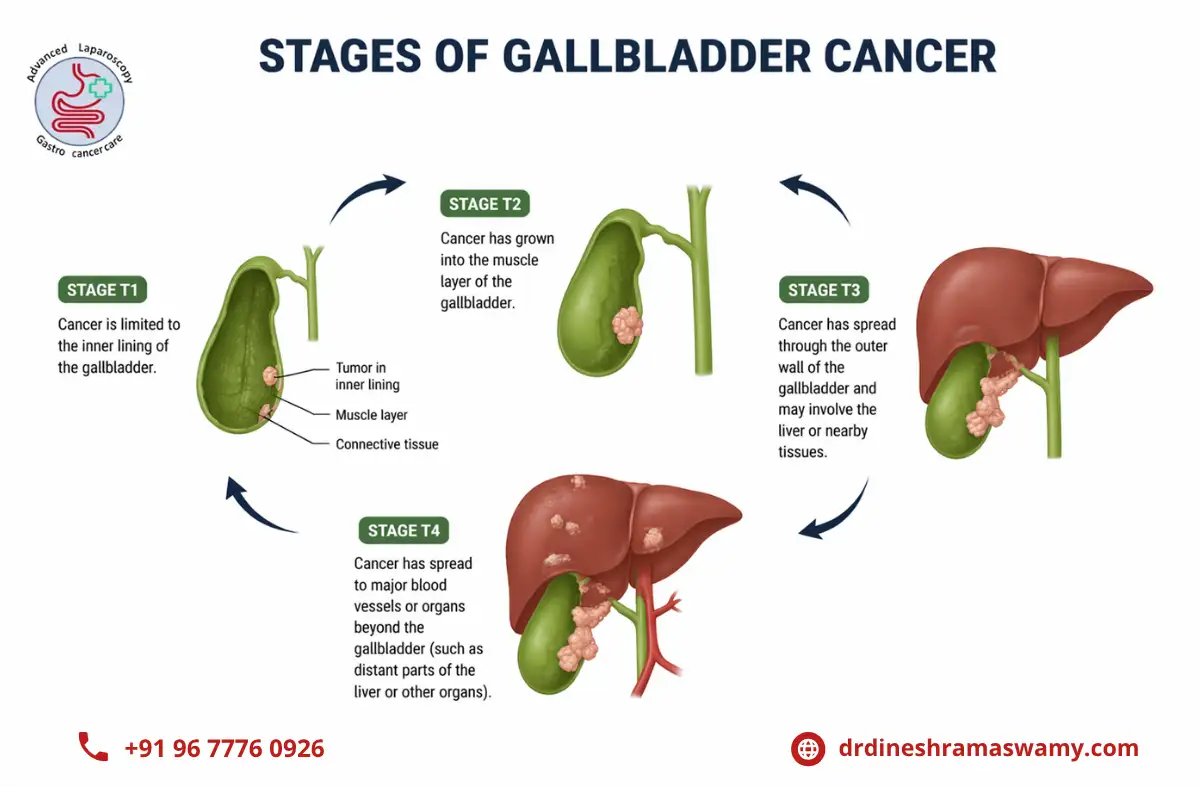
Gallbladder Cancer Surgery in Chennai

Causes of Gallbladder Cancer

Gallbladder cancer doesn't have a single known cause, but there are several risk factors that can increase the likelihood of developing it. 

  • Gallstones as a Major Risk Factor: Gallstones, hardened deposits of bile in the gallbladder, are one of the most common causes of gallbladder disease. Although not all people with gallstones will develop cancer, studies have shown that individuals with long-term gallstones are at a higher risk of developing gallbladder cancer.
  • Long-Term Gallbladder Inflammation: Chronic inflammation of the gallbladder, known as cholecystitis, can increase the risk of gallbladder cancer. Inflammation caused by recurring infections or other issues can lead to changes in the gallbladder's tissue, making it more susceptible to cancerous growths.
  • Presence of Gallbladder Polyps: Gallbladder polyps are growths that develop on the inner lining of the gallbladder. While most polyps are benign, larger polyps or those with certain characteristics can increase the risk of gallbladder cancer.
  • Calcified (Porcelain) Gallbladder Condition: A porcelain gallbladder is a condition where the gallbladder walls become hardened due to calcium deposits. This condition is strongly associated with an increased risk of gallbladder cancer.
  • Chronic Bacterial Infections: Infections caused by certain bacteria, such as Salmonella or Helicobacter pylori, have been linked to an increased risk of gallbladder cancer. Chronic infections can cause damage to the gallbladder lining, potentially leading to cancer.
  • Primary Sclerosing Cholangitis (PSC): Primary sclerosing cholangitis (PSC) is a chronic liver condition characterized by inflammation and progressive scarring of the bile ducts.  People with PSC are at higher risk of developing gallbladder cancer because of the long-term damage to the biliary system.
  • Obesity and Dietary Influences: Being overweight or obese increases the risk of developing several types of cancer, including gallbladder cancer. A diet high in fat, processed foods, and low in fiber may also contribute to the risk of gallbladder cancer.

Symptoms of Gallbladder Cancer

Gallbladder cancer symptoms can often be vague, which makes early detection challenging. Common symptoms include:

  • Upper Right Abdominal Discomfort: One of the most common signs of gallbladder cancer is pain or discomfort in the upper right side of the abdomen. This discomfort may be intermittent or persistent and can worsen after eating fatty foods.
  • Yellowing of Skin and Eyes (Jaundice): Jaundice, the yellowing of the skin and eyes, is a classic symptom of gallbladder cancer. It occurs when a tumor blocks the bile ducts, causing bile to build up in the body.
  • Unintentional Weight Loss: Unexplained weight loss, particularly when it happens rapidly, can be a sign of gallbladder cancer. This often occurs due to the body’s response to the cancer and can be accompanied by a loss of appetite.
  • Persistent Nausea and Vomiting: Patients with gallbladder cancer often experience persistent nausea and vomiting, especially after eating. This can result from a blockage in the digestive tract or from the body’s reaction to the cancer.
  • Abdominal Bloating and Early Fullness: Patients may also feel a sense of fullness in the abdomen, even after eating small amounts of food. Bloating and discomfort may be more noticeable after meals.
  • Noticeable Lump in the Upper Abdomen: In some cases, a lump or mass may be felt in the upper abdomen. This could indicate a tumor in the gallbladder, although it is not always visible in the early stages of cancer.

Types of Gallbladder Cancer Surgery

When it comes to treating gallbladder cancer, surgery is the most common option. The type of surgery depends on the stage of cancer and whether it has spread beyond the gallbladder.

  • Simple Cholecystectomy: A simple cholecystectomy is the removal of the gallbladder. This is often the first surgery performed when gallbladder cancer is detected early. If the cancer is confined to the gallbladder, this surgery can be sufficient for treatment.
  • Radical Cholecystectomy: If the cancer has spread beyond the gallbladder but has not reached other organs, a radical cholecystectomy may be required. This procedure involves the removal of the gallbladder, nearby lymph nodes, and sometimes a portion of the liver.
  • Extended Liver Resection: For more advanced cases, surgery may involve the removal of a portion of the liver, along with the gallbladder and other surrounding tissue. This type of surgery is more complex and may be required if the cancer has spread to the liver.
  • Bile Duct Resection: In some cases, the bile ducts may need to be resected (removed) to ensure the cancer does not spread. This surgery may be performed in combination with other treatments, depending on the cancer’s location and extent.
  • Reoperation After Incidental Gallbladder Cancer: If gallbladder cancer is discovered unexpectedly during or after gallbladder surgery, a second operation may be necessary to remove any remaining cancerous tissue.

Diagnostic and treatment methods

Diagnostic Methods

Accurate diagnosis is essential to determine the stage of gallbladder cancer and plan the right surgical approach. A combination of tests helps confirm the presence and extent of the disease.

  • Blood Tests: Used to check liver function and detect abnormalities that may indicate bile duct obstruction or cancer
  • Imaging Scans (Ultrasound, CT, MRI): Help visualize the gallbladder, identify tumors, and assess spread to nearby organs
  • Endoscopic Procedures (ERCP/EUS): Allow detailed examination of the bile ducts and surrounding structures
  • Biopsy: Involves collecting a tissue sample to confirm cancer diagnosis
  • PET Scan: May be used to detect cancer spread to distant parts of the body

Treatment Options

Treatment depends on the stage of cancer, overall health of the patient, and whether the tumor can be surgically removed. Surgery remains the primary and most effective option when feasible.

  • Surgical Treatment: Removal of the gallbladder and affected tissues offers the best chance of cure in early stages
  • Simple or Radical Cholecystectomy: Depending on cancer spread, surrounding liver tissue and lymph nodes may also be removed
  • Chemotherapy: Used to destroy cancer cells or reduce the risk of recurrence after surgery
  • Radiation Therapy: Helps control or shrink tumors, especially when surgery is not possible
  • Targeted Therapy/Immunotherapy: Advanced treatments that focus on specific cancer cells

Early diagnosis combined with the right treatment plan significantly improves outcomes. A personalized approach ensures better recovery and long-term survival for patients undergoing gallbladder cancer surgery.

When is Gallbladder Cancer Surgery Required?

Surgery is the primary and most effective treatment for gallbladder cancer when the disease is detected at an early or localized stage. It aims to completely remove the tumor and prevent further spread, offering the best chance for long-term survival.

Surgery is recommended when:

  • Cancer is limited to the gallbladder or nearby liver
  • The tumor is discovered incidentally after gallbladder removal
  • There is no evidence of distant metastasis
  • The patient is medically fit to undergo major surgery

In such situations, timely surgical intervention can significantly improve outcomes. Early diagnosis and proper evaluation play a key role in ensuring successful treatment and recovery.

Why Choose Dr. Dinesh Ramaswamy?

Gallbladder cancer requires precise clinical judgment and a highly specialized surgical approach to achieve the best outcomes. Choosing the right expert plays a crucial role in ensuring safe, effective, and evidence-based treatment. With extensive experience in hepatobiliary and gastrointestinal cancer surgery, Dr. Dinesh Ramaswamy is known for his meticulous techniques and patient-focused care.

What makes Dr. Dinesh Ramaswamy a trusted choice:

  • Specialized expertise in hepatobiliary and GI cancer surgery
  • Strong experience in radical gallbladder cancer procedures
  • Emphasis on clear margins and oncologic safety
  • Multidisciplinary coordination with medical oncology
  • Evidence-based treatment planning
  • Clear communication with patients and families

Patients trust his approach to gallbladder cancer surgery for its clarity, precision, and commitment to long-term results. His focus remains on delivering safe treatment with integrity and consistent outcomes, ensuring the best possible care for those undergoing gallbladder cancer surgery in Chennai.

Recovery after Gallbladder Cancer Surgery

Recovery is structured and closely monitored.

What patients can expect:

  • ICU monitoring in early post-op period
  • Liver function and bile flow monitoring
  • Gradual diet advancement
  • Pain-managed mobilization
  • Oncology referral if chemotherapy is needed
  • Long-term surveillance to detect recurrence early

Good surgery extends beyond the operation.

Preventive measures for gallbladder cancer

While there is no certain way to completely prevent gallbladder cancer, adopting healthy habits and managing existing risk factors can play a significant role in reducing the likelihood of developing the condition. Focusing on overall digestive health and early management of gallbladder-related issues is essential for long-term prevention.

Key prevention strategies include:

  • Maintain a healthy body weight, as obesity is linked to a higher risk of gallbladder disease and cancer
  • Engage in regular physical activity to improve metabolism and support digestive function
  • Follow a well-balanced diet that includes plenty of fruits, vegetables, whole grains, and fiber-rich foods
  • Limit the consumption of processed foods, fried items, red meat, and high-fat diets that can strain the gallbladder
  • Reduce or avoid alcohol intake to support liver and biliary system health
  • Stay well-hydrated to promote proper digestion and bile flow
  • Seek early treatment for gallbladder conditions such as gallstones, infections, or chronic inflammation
  • Attend regular health check-ups, especially if you have a family history or existing digestive issues

By consistently following these preventive measures and being mindful of symptoms, individuals can lower their risk and maintain better gallbladder and overall digestive health over time.

Conclusion

Gallbladder cancer is a serious condition, but with proper treatment, patients can navigate the challenges it presents. Gallbladder cancer surgery in Chennai offers advanced treatment options that cater to the needs of patients, whether for early-stage cancers or more complex cases. If you or someone you know is experiencing symptoms, don’t wait—consult with a healthcare provider to discuss your treatment options.

Frequently Asked Questions

Common questions about Gallbladder Cancer Surgery and our services

Yes, if detected early. Surgery offers the best chance for cure when cancer is confined to the gallbladder or nearby liver. Advanced stages may still benefit from surgery combined with chemotherapy, depending on individual evaluation.

No. Most polyps are benign. However, polyps larger than 10 mm, rapidly growing polyps, or those associated with gallstones have a higher cancer risk and usually require surgical removal.

Hospital stay usually ranges from 7–14 days, depending on surgery extent. Full recovery may take several weeks. Patients are closely followed for liver function, nutrition, and further cancer treatment if needed.

Explore Our Latest Vlogs

Stay updated with expert insights, latest trends, and helpful articles.

Related Blogs

No data was found

Need Medical Assistance? Book an Appointment Now!

Take the first step toward better digestive health. Book an appointment with our laparoscopy and gastroenterology team to receive expert care, clear guidance, and advanced minimally invasive solutions tailored to your needs.